

The World’s Happiest Countries

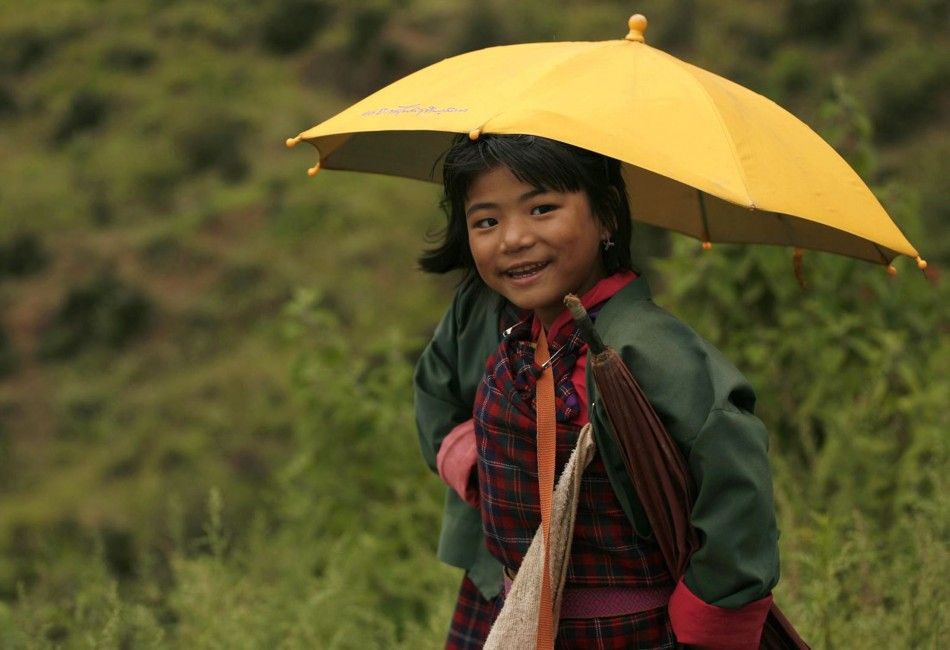
On Monday, representatives at the UN took a day off from discussing the sad realities and crises engulfing the globe to discuss something totally different: how to be happy. That's right, the geniuses in New York held a high-level event in the UN General Assembly hosted by the tiny Himalayan kingdom of Bhutan to look at the happiest countries in the world and discuss how to put happiness on the global agenda.
So what's going on in Turtle Bay? More than you may think. It turns out happiness research is one of the hottest fields in development economics and the government in the Bhutanese capital of Thimphu may just have a thing or two to teach our world leaders.
Nearly 40 years ago, the grandfather of the current constitutional monarch, King Jigme Khesar Namgyel, initiated the idea of an alternate model to gross national product as a measurement of national progress. The 800,000-person kingdom -- where the per capita income is an estimated $670 -- has become a mecca for Western policymakers seeking knowledge on national happiness in the globalized world.
Indeed the debate is growing over how to best measure the progress of countries beyond monetary valuations -- and how to best set public policy to boost well-being.
According to the World Happiness Report published by the Earth Institute of Columbia University for Monday's meeting on Wellbeing and Happiness: Defining a New Economic Paradigm, rich countries awash with wealth have a lot to learn from the kingdom of Bhutan, which is admired less for its gross domestic product than for its gross national happiness index (the highest in Asia, according to recent reports).
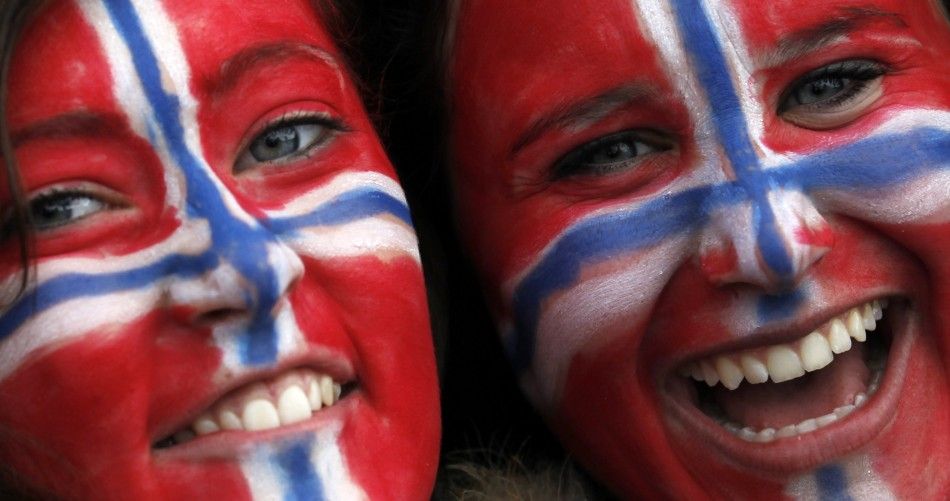
Many of the results may seem obvious. The happiest countries in the world are all in Northern Europe while the least happy countries are all in Sub-Saharan Africa. However it's not just wealth that makes people happy: Political freedom, strong social networks and an absence of corruption are, according to the researchers, far more important than income in explaining well-being differences between the top and bottom countries.
These are among the findings of the world's first ever happiness report, commissioned for the April 2 UN Conference on Happiness. The report reflects a new worldwide demand for more attention to happiness and absence of misery as criteria for government policy. It also reviews the state of happiness in the world and shows how the new science of happiness explains personal and national variations.
According to the report -- which was co-authored by economists Jeffrey Sachs of the Earth Institute, Richard Layard of the London School of Economics, and John Helliwell of the Economics Department of the University of British Columbia -- on average, the world has become a little happier over the last 30 years. The rise in living standards, however, hasn't always had a direct impact on happiness (i.e. the United States).
On a more personal level, the researchers argued that good mental and physical health, someone to count on, job security and stable families are crucial.
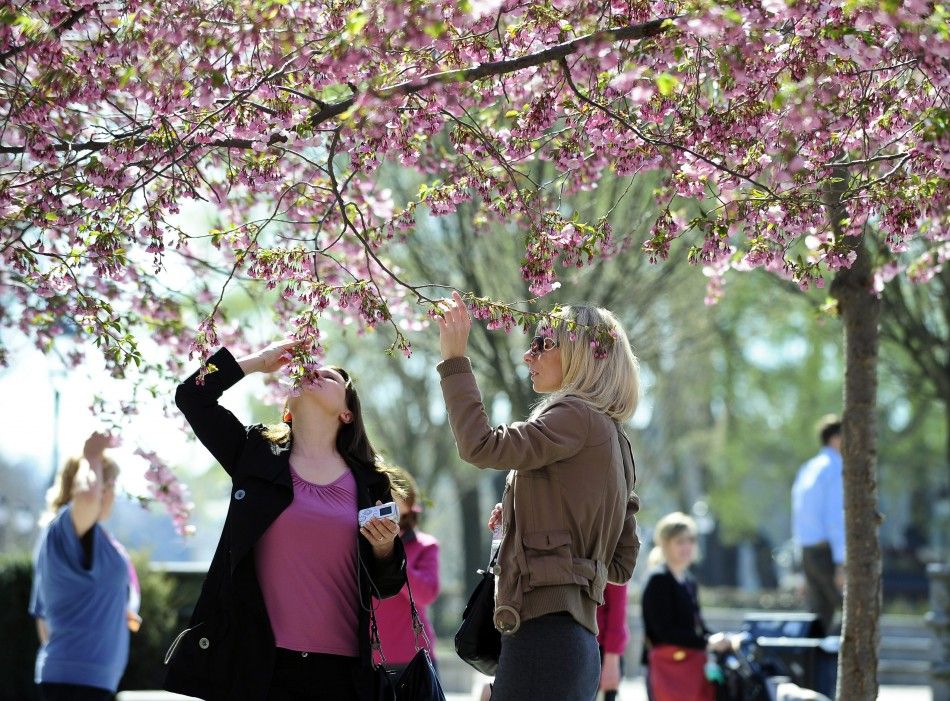
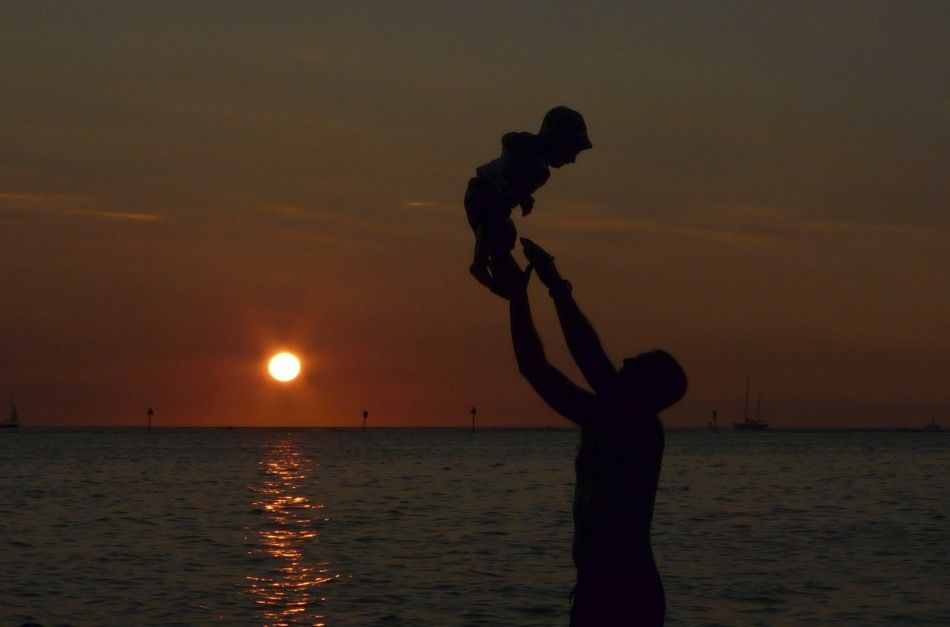
Press Start for a look at the 12 happiest countries in the world according to the World Happiness Report and let us know what you think in the comments' section below.








© Copyright IBTimes 2024. All rights reserved.
-

Panama Papers Law Firm Boss Ramon Fonseca Dead
-

Pandemic Agreement Talks Go To The Wire
-

Low-cost MRI Paired With AI Produces High-quality Results
-

School's Out: How Climate Change Threatens Education
-

Hong Kong Demands Online Platforms Remove Banned Protest Song
-
2023 'Year Of Record Climatic Hazards' In Latin America: UN
-

Crypto Community Buzzes As Grayscale Withdraws Ethereum Futures ETF Application
-

Mongolia's Wildlife At Risk From Overgrazing
-

Milking Venom From Australia's Deadly Marine Animals
-

TikTok Challenges Potential US Ban In Court


