

5 Must-Have POS Features Every Pool Supply Store Owner Needs
The right POS setup turns a chaotic pool supply counter into a smooth one, even at the peak of summer.
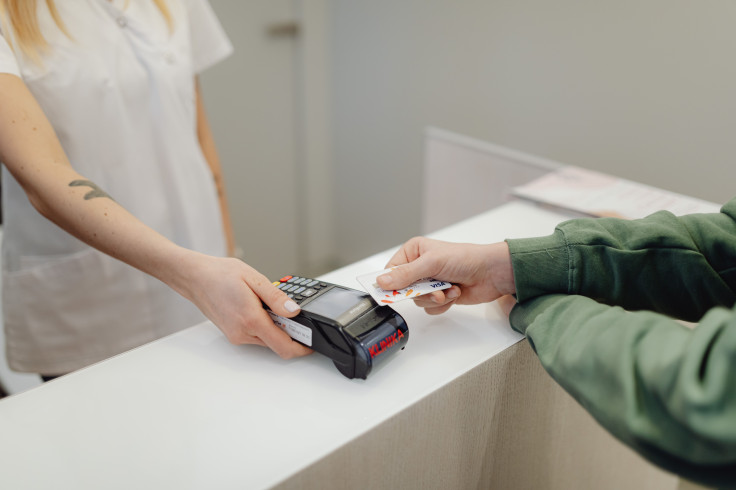
Ask any pool supply store owner what the toughest part of the job is, and chemicals and equipment rarely come up first. It's keeping track of everything at once. Shock treatment running low, a pump part someone special-ordered three weeks ago, a regular customer who always asks about her filter warranty. A basic cash register just isn't built to hold all of that.
Add in a season that swings from dead quiet in January to a line out the door in July, and it's easy to see why so many pool stores eventually outgrow their register. What they need instead is a point-of-sale system built to keep up with the chaos, not just ring up the sale.
Why Pool Supply Retail Is Harder to Run Than It Looks?
A pool store isn't just selling one type of product. It's chemicals sold by weight, parts tied to specific pump and filter models, seasonal inflatables, and sometimes service work, all under one roof. Demand can go from a handful of sales a day in the off-season to dozens an hour once the heat hits.
Try running that on spreadsheets or a generic register and the same problems keep showing up: shock treatment gone the week everyone needs it, pool covers piled up in the back that nobody wants until October, and no easy way to check if a customer's pump is still under warranty.
A cloud-based system built for specialty retail, like Lightspeed's Spa and Pool store POS, is built to handle that mix in one place instead of five different tools stitched together.
1. Realtime Inventory Tracking by SKU and Variant
Chemicals, filters, and parts all come in slightly different sizes, strengths, or model numbers, and a good POS tracks stock down to that level, not just the product name. Every sale updates inventory the moment it happens.
- Stock counts update automatically with every sale, no manual recounts
- Low-stock alerts fire before the shelf is actually empty
- Hazardous chemicals get their own tracking, since they need careful handling and storage limits
That's the difference between finding out you're out of algaecide when a customer asks, and already knowing three days beforehand.
Real-time stock checks catch gaps before customers do.
2. Seasonal Sales Reporting and Demand Forecasting
Pool supply demand doesn't move on a steady curve. It's tied to the weather, to when school lets out, to whatever the forecast says for the coming weekend. A store near a lake town sells differently than one in a suburban strip mall, and last year's numbers only tell part of the story.
Being able to pull sales by week, month, and category makes it easy to compare this spring to last spring before placing a bulk order. That means buying shock treatment and liners ahead of the rush, at better prices, instead of scrambling once the first heatwave hits.
3. Vendor and Purchase Order Tools
Reordering from memory works fine until the exact week it doesn't. A POS that builds purchase orders straight from sell-through data takes the guesswork out and leaves a clean paper trail with every supplier.
- Purchase orders generated automatically once stock hits a set threshold
- Vendor-level reporting to see which suppliers actually move product
- Order history on hand to negotiate better pricing before peak season starts
4. Customer Profiles with Service and Purchase History
Owning a pool isn't a one-time purchase. Customers come back for water testing, replacement parts, and seasonal chemicals year after year. A POS with built-in customer profiles keeps all of that history in one place instead of scattered across old receipts and staff memory.
Staff can pull up what a customer bought last month, whether their pump is still under warranty, or when their filter is due, in a few seconds instead of digging through paperwork while a line forms behind them.
A quick lookup replaces assumption and keeps the line moving.
5. Mobile and Multi-Channel Checkout
Long lines during a heatwave push customers straight to a competitor, or to their phone to order online instead. Mobile checkout lets staff ring people up anywhere on the floor, which matters most during the exact weeks a store makes most of its yearly revenue.
- Handheld or tablet checkout to bust lines during peak traffic
- Curbside or local delivery support for bulky items like liners and covers
- Online store sync so stock counts stay accurate no matter where the sale happens
Choosing the Right System
Not every POS built for general retail can handle hazardous chemical tracking, variant-heavy inventory, and a season that goes from empty to packed in a matter of weeks. Store owners comparing options should look for something built around specialty retail, with reporting sharp enough to tell a slow February apart from a packed July.
The goal isn't more software just to have it. It's fewer stockouts during the busiest weeks of the year, less cash tied up in things that don't sell, and a team that can answer a customer's question in seconds instead of making them wait.
Final Thoughts
Running a pool supply store well has always come down to product knowledge and a good read on the season. The right POS doesn't replace that. It backs it up with real numbers on what's selling, what's running low, and who keeps walking through the door. For an owner juggling chemicals, equipment, and a short but intense selling season, that's what keeps shelves stocked and customers coming back instead of driving to the next store.
© Copyright IBTimes 2026. All rights reserved.