Anthropic CEO Amodei Faces New Attack From Trump Allies With An Attack Brief Sent To The White House
The effort surfaced ahead of a planned private dinner between Trump and the Anthropic chief after months of tension over military AI safeguards.

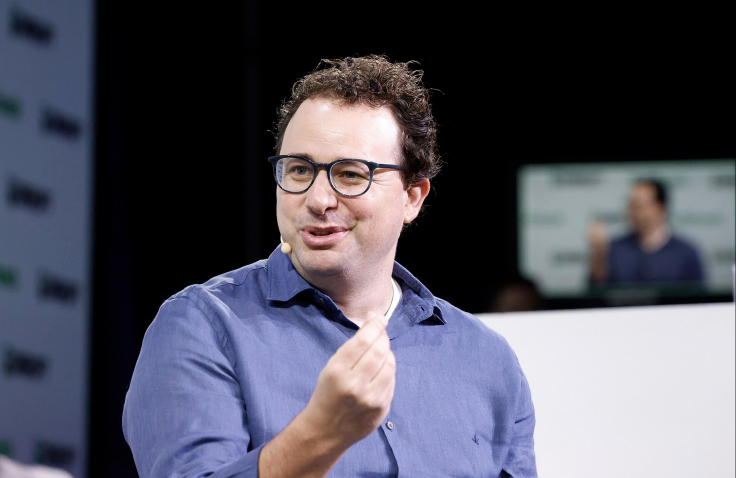
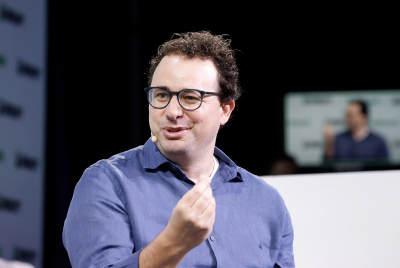
Critics of Anthropic CEO Dario Amodei circulated a sharply negative briefing document aimed at President Donald Trump ahead of a planned private dinner between the two, adding another point of tension to a relationship already strained by a months-long dispute over the military use of artificial intelligence.
The document is not an internal White House memo and its authorship remains unclear, Axios reported after reviewing it. The brief portrays Amodei as having a history of criticizing Trump and highlights what it describes as his political ties, while using Anthropic's confrontation with the Pentagon as an example of the CEO's disagreements with the administration.
A person familiar with White House operations told Axios that the document was intended for Trump and was likely to reach him. Anthropic did not immediately respond to the outlet's request for comment.
The brief also attacks Amodei over his warnings about artificial intelligence's potential effect on employment. Amodei has repeatedly raised concerns that increasingly capable AI systems could replace significant amounts of white-collar work, particularly at the entry level. The document mocks those warnings in language styled after Trump's social-media posts, according to Axios.
The effort came ahead of a planned private dinner between Trump and Amodei on Sunday night. Trump himself confirmed the meeting to reporters after arriving at Joint Base Andrews, saying he was having dinner with the Anthropic chief later that night, according to The Associated Press. Axios had earlier reported that Trump personally invited Amodei and that it would be their first one-on-one meeting.
The meeting followed months of conflict between Anthropic and the Trump administration over how the company's Claude models could be used by the U.S. military.
In February, Anthropic refused a Pentagon demand that its models be available for what the government described as any lawful military use. CEO Dario Amodei said in an Anthropic statement that the company was willing to support defense and intelligence work but would maintain restrictions involving fully autonomous weapons and mass domestic surveillance.
Anthropic said at the time that Claude was already deployed across classified government systems for intelligence analysis, modeling and simulation, operational planning and cyber operations. Amodei said the company could not agree to remove the two safeguards despite pressure from the Defense Department.
The dispute escalated in early March when the Defense Department designated Anthropic a supply-chain risk. Anthropic challenged the action in court, arguing that the government had retaliated against the company over its safety restrictions.
Court filings show that Anthropic maintained Claude was not sufficiently tested for fully autonomous lethal operations or large-scale surveillance of Americans. Its March complaint said the company's restrictions reflected concerns about the system's reliability and the risks posed by automated analysis of large amounts of personal data.
A federal district court initially sided with Anthropic on key parts of the dispute. But on Friday, Sept. 25, the U.S. Court of Appeals for the District of Columbia Circuit upheld the Pentagon's supply-chain-risk designation in a 2-1 ruling.
The court said the dispute raised difficult questions about the military use of advanced AI, including the government's concern that heavily restricted models could stop functioning during important operations. One judge dissented. The ruling was issued two days before Trump's planned dinner with Amodei.
The renewed contact also comes as Anthropic has grown into one of the world's most valuable private technology companies. The company said in May that it raised $65 billion in a funding round that valued it at $965 billion after the investment. Anthropic also said its annualized revenue had crossed $47 billion earlier that month.
Axios reported that people close to the administration have recently stepped up criticism of Amodei and his emphasis on AI safety, including circulating separate talking points about his connections to the effective altruism movement. A White House official told the outlet that Trump remains focused on maintaining U.S. leadership in advanced AI while protecting consumers.
The president has publicly taken a different approach to some of the industry's warnings about AI. Trump said last week that he favors a light regulatory approach while maintaining that law enforcement could intervene if necessary, according to remarks reported after his United Nations appearances. He has also repeatedly stressed competition with China as a reason not to slow U.S. development of advanced AI systems.
© Copyright IBTimes 2026. All rights reserved.
- Recommended For You