

Fed Officials Expect to Hike Rates Again Before the Year Ends. Odds of it Happening in October Remain Low.
Chances that the central bank will keep rates unchanged later this month remain above 80%.

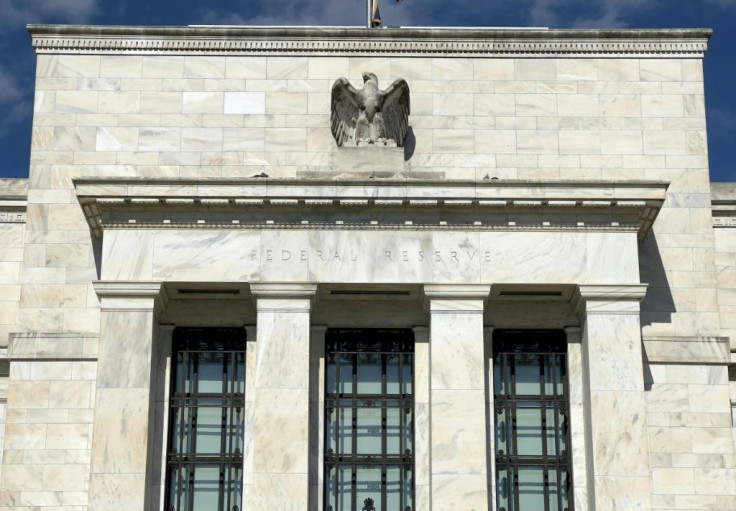
Federal Reserve officials expect to hike interest rates again before the year ends, according to the minutes of the Federal Open Market Committee's (FOMC) latest meeting.
"Most participants assessed that another increase in the target range for the federal funds rate would likely be appropriate by year end," reads a passage of the document.
However, it does not specify when the officials expect to implement the hike and future decisions will "depend on incoming information and its implications for the outlook and the balance of risks."
Odds that the central bank will do so in October's meeting barely changed after the minutes were released. They remain above 80%, according to the CME Group's FedWatch tool.
Fed officials have warned about inflationary risks even though the latest data could have helped to cool expectations: the September jobs report released on Friday was much weaker than expected, and the central bank's preferred inflation gauge was below expectations as well.
According to the latest data from the Commerce Department, the personal consumption expenditures price index climbed a seasonally adjusted 0.3% for the month. The 12-month gain stood at 3.4%, below the 3.7% expected by economists.
However, the core index showed a 0.2% increase, below the 0.3% expected by economists. The annual figure stood at 3%, below the 3.3% expected by analysts.
Regardless, Minneapolis Fed President Neel Kashkari said inflation concerns remain. Speaking at a Council on Foreign Relations event in New York lats week, Kashkari said that "there are many different measures of inflation, but it's running at around a 3% rate."
"It's been elevated now for more than five years. I didn't think the inflation data today really changed that story for me very much." He went on to note that other data also released on Wednesday, including an updated GDP report and private payrolls, showed that the U.S. economy remains "resilient."
Elsewhere, Mary Daly, president of the Federal Reserve Bank of San Francisco, said AI-related shortages could help fuel inflation for longer, potentially requiring further tightening.
Speaking to Axios, Daly said constraints could spread from the industry and into the wider economy for longer than the 1-3 year period the Fed would expect for regular shocks. Her conversations with companies from Silicon Valley that delve in other fields but also experience the shortages are helping inform her assessment.
"It doesn't seem like the demand for AI is going down. If anything, it seems like it's going up," Daly said. "This is probably further out before we get relief," she added.
© Copyright IBTimes 2026. All rights reserved.