Government Shutdown Odds Just Dropped: Bitcoin Traders Are Reading It Wrong

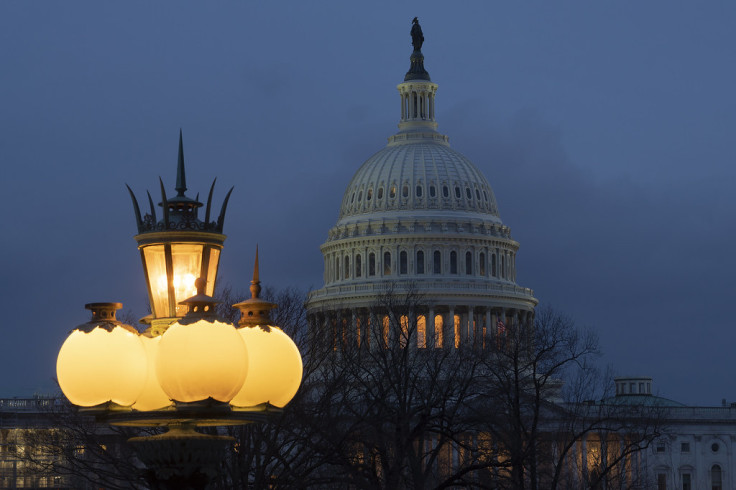
The House passed a stopgap funding bill 220-205 on July 21, shoving the government's spending deadline from September 30 to December 4 and conveniently clear of the midterms.
Prediction markets repriced instantly, with implied odds of an October 1 shutdown on Kalshi falling from roughly 59% to 48%.
Here's the tension traders keep missing: a lower probability is not a resolved dispute. The underlying fight over defense spending, election-law riders, and baseline appropriations wasn't settled. It was rescheduled.
Bitcoin traders pricing in political calm are reacting to a delay, not a fix, and this country has already eaten two shutdowns in 2026 alone.
What the Prediction Markets Are Actually Saying
Kalshi and Polymarket run contracts that pay $1 if a defined event happens and $0 if it doesn't, a live betting line on a binary political question. The October 1 contract resolves "No" as long as funding flows through that date, regardless of what happens in December.
The tell is the disagreement. Cross-platform comparisons showed the contracts diverging by more than 12 percentage points, a spread that means traders can't agree on how much risk actually left the table.
After a January shutdown that technically triggered over a weekend and a February DHS standoff that whipsawed Polymarket odds from 97% to 29% in a single day, nobody trusts a calm reading anymore.
Speaker Mike Johnson framed the early deadline as a weapon, not a compromise:
Democrats who opposed it "alone are going to own the chaos that ensues if the government shuts down after September 30." - Rep. Mike Johnson, Speaker of the House
Rep. Austin Scott was blunter, calling it smart to take shutdown chaos off the table while conceding one "probably works to the advantage of Democrats politically."
Democrats, including House Appropriations ranking member Rosa DeLauro, largely voted no. And GOP leadership's real focus for the remaining legislative days is a separate $95 billion package covering Iran-related defense spending, farm aid, and pieces of Trump's elections overhaul.
The baseline funding fight was shelved, not settled.
Why Bitcoin Should Care About December
Shutdown risk cuts two ways for crypto. The chaos itself is risk-off poison, but the resolution is usually money-printing, and the loudest macro voice in crypto is already betting on the sequel:
The Fed's plan to defend the yen will "pump Bitcoin." - Arthur Hayes, CIO, Maelstrom
Hayes's broader thesis is the one that matters here: every funding crisis ends with more liquidity, and liquidity eventually finds Bitcoin. A December 4 standoff wedged between midterm fallout and year-end would be exactly that kind of event.
Bitcoin Price Today: Three Fuses, One Chart
On August 12, Bitcoin is stuck below $65,000 after a run to $65,200 early in the week, and the shutdown is honestly the least urgent fuse. July CPI lands today with September rate-hike odds at a coin flip, meaning one hot print could reset the Fed, and the Strait of Hormuz relief trade just unraveled after Trump demanded 50 years of Iranian compensation, sending oil back up.
The map: support at $63,600, then $62,000. Resistance at the 50-day average near $64,600, then $67,000. On-chain, elite wallets holding over 10,000 BTC just hit a six-month high of 90, the strongest hands quietly accumulating through the noise.
So here's the question worth arguing: when Congress kicks a bomb ten weeks down the road and the market calls it relief, are you looking at genuine de-risking, or the most crowded complacency trade of the fall?
© Copyright IBTimes 2026. All rights reserved.
- Recommended For You