Iran Reportedly Threatens Gulf States With More Strikes If Trump Doesn’t End Attacks. Oil Rises.
Talks to reopen the Strait of Hormuz, however, appear to be making progress.


Oil is rising on Thursday even as discussions to reopen the Strait of Hormuz appear to be making progress.
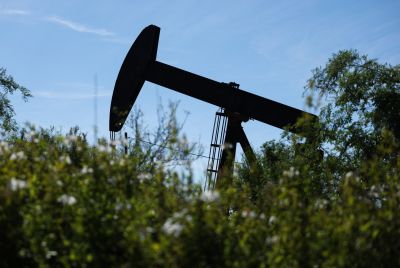
Brent crude, the international benchmark, climbed more than 2% at 9:06 a.m. ET and hovered above $81 a barrel, while West Texas Intermediate, the U.S. benchmark, posted similar gains and stood above $76.50 at the same time.
Reuters reported on Thursday that Iran has warned Gulf states that it will strike critical infrastructure if they don't pressure President Donald Trump into ceasing strikes against the country.
Iranian Foreign Minister Abbas Araghchi, the outlet noted, delivered messages to Saudi, Turkish and Qatari counterparts, as well as the Pakistani army chief.
"The Iranian warning was unequivocal: if America targeted Iran's infrastructure, they would retaliate by striking Gulf energy facilities and other regional targets," a source told the outlet.
Despite the threats, Both Iran and the U.S. expressed optimism about the state of negotiations to reopen the Strait of Hormuz over the past hours.
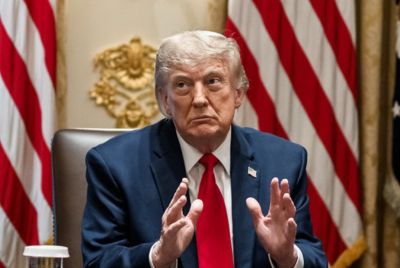
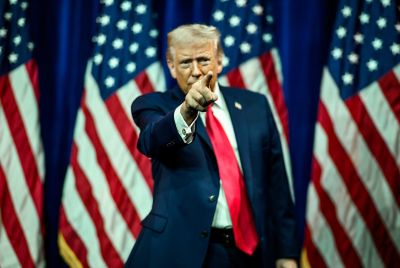
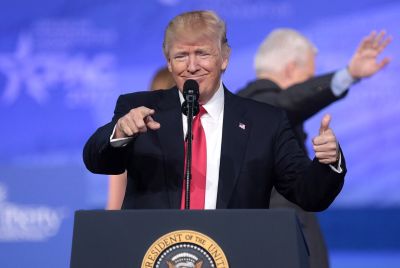
Trump said talks are "working out quite well," but again warned strikes could resume if they fail. "We are ready to go," he said.
Iranian Deputy Foreign Minister Kazem Gharibabadi, on his end, said the U.S. is ready to "return to commitments."
He did not elaborate, but was likely referring to the memorandum of understanding sign between the countries in mid June, where Iran agreed to allow for the passage of ships through the Strait of Hormuz without collecting fees for 60 days. The U.S. had made different commitments of its own, including the blockade of Iranian ports.
Gharibabadi also said current negotiations involving navigation through the waterway are taking place between Iran and Oman, and "no negotiations with the US have taken place during this period."
He noted that an "understanding" between the countries about navigation was close to being finalized, with Tehran saying that "old routes no longer meet the current difficult conditions that have jeopardized the national security of the Islamic Republic of Iran."
Iranian Foreign Ministry spokesperson Esmail Baghaei had also said that a deal was close provided that "some third parties do not obstruct work in this regard."
Reuters reported on Tuesday that Tehran is seeking to control inbound shipping through the Hormuz Strait and have oversight over outbound traffic.
© Copyright IBTimes 2026. All rights reserved.
- Recommended For You