

The Iran War Continues Depleting The U.S.’s Arsenal. It Has Reportedly Lost a Quarter Of Its Reaper Drones.
The U.S. military lost at least 45 such drones during the war. Each one can cost between $30 million and $50 million.

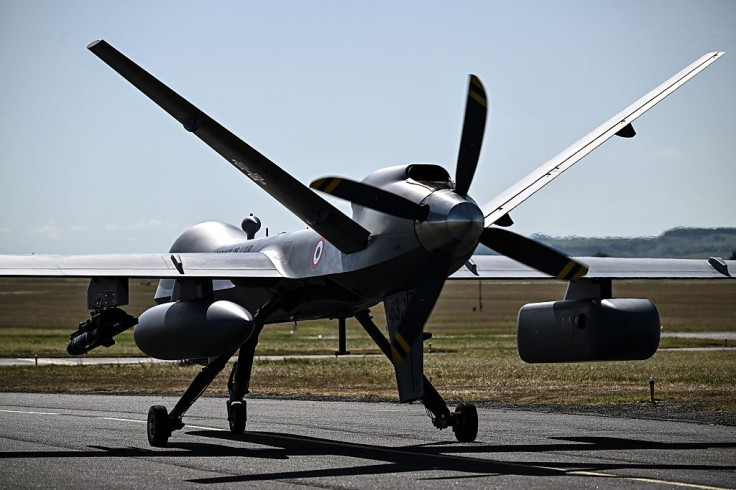
The U.S. military has lost about a quarter of its MQ-9 Reaper drones during the war in Iran as reports about the mounting cost the conflict pile up.
The Washington Post detailed that the U.S. lost at least 45 such drones since the war began in late February. Each one of them costs between $30 million and $50 million depending on the sensors and weapons they carry. Overall, the cost of replacing them could amount to $1.3 billion.
The outlet went on to detail that the drones fly slow and at a low altitude, making them a relatively easy target for the Iranian military as the conflict drags on.
Other reports have described concerns among U.S. officials about dwindling stockpiles of key ammunition, potentially endangering the country's ability to conduct the war should it continue, or help allies in their own ongoing or potential conflicts.
Reuters reported earlier this month that the U.S. Army has used practically all of its long-range precision missiles during the war in Iran.
Reuters detailed that the country's reserve of Army Tactical Missile Systems (ATACMS) is "virtually" empty. Sources who spoke to the outlet declined to say how many missiles the country has left. They are used to conduct strikes from relatively safe distance, in contrast with the use of piloted aircraft.
The White House reacted to the report with a statement from President Donald Trump, saying the country has "far more munitions than anyone in the world" and "far more than we need."
A recent report also drew attention to the pace of interceptors. Concretely, officials who spoke to CBS News in late May said the country can't sustain the rate at which it spent such missiles at the beginning of the war.
The outlet went on to note that the industrial base can't produce more missiles at a pace that is fast enough to replenish them.
Defense Secretary Pete Hegseth said last month that there is no issue with the stockpile, claiming "we've got lots of them, we're building more than ever before."
"Our stockpiles are strong, and they will only get stronger in the future," he added.
The Center for Strategic and International Studies (CSIS) released another report estimating the U.S. had used about two-thirds of Patriot interceptors and the number of THAAD ballistic missile interceptors was almost 40% lower than at the beginning of the war in February.
The country has also spent about half of its Tomahawk cruise missiles, which are launched from Navy ships.
© Copyright IBTimes 2026. All rights reserved.