Trump’s Portfolio Has Made Many Trades Since Returning To The White House. Democrats Want Information.
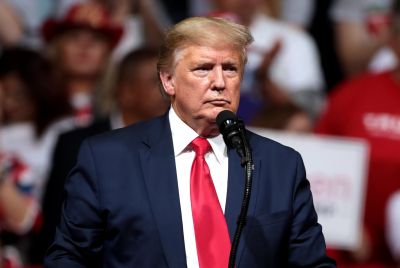
Sen. Elizabeth Warren and Rep. Robert Garcia want to know who are the money managers in charge of Trump's investments.


Two Democratic lawmakers are seeking information about President Donald Trump's financial disclosures, including stock trades made in his name since he returned to the White House.
Sen. Elizabeth Warren and Rep. Robert Garcia sent a lengthy letter to Trump, saying they want to know who are the money managers in charge of his investments.
"One analysis estimates that you reported more than 14,000 stock trades, worth up to $1.06 billion during your first year in office. The total is likely higher as these reports don't even include transactions worth less than one thousand dollars," reads a passage of the letter.
"The sheer volume of this trading activity and the timing of a number of transactions, raise
questions about whether you are using your knowledge of government activities, your official authority, or the vast megaphone provided by the Presidency to make investments or move markets to your personal benefit—and about whether you have been making decisions that boost your portfolio at the expense of taxpayers, the economy, and national security," it adds.
The letter asks Trump to list "all third-party institutions and managers that direct your trades" and explain their rationale.
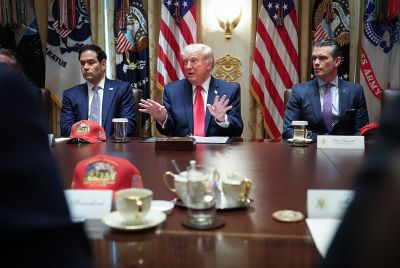
CNBC detailed that Trump has defended the trades made in his name, saying he has no contact with those who handle the money. "They invest my money, and I don't talk to them. I never — I don't even speak to them," he said.
The White House has also denied Trump's disclosures raise any conflicts of interest. Some estimates detailed by the outlet claim he made more than $2.2 billion in revenue last year.
Trump's investment portfolio expanded its exposure to artificial intelligence this year with new purchases of Alphabet and additional investments in Meta Platforms, two tech giants that analysts believe still have room to climb despite their dominant positions in the AI race.
© Copyright IBTimes 2026. All rights reserved.
- Recommended For You