

US Grocery Price Surge Refuses To Abate. Consumers Are Tweaking Their Preferences
American households are battling the biggest jump in grocery prices in half a century. They are also changing preferences.

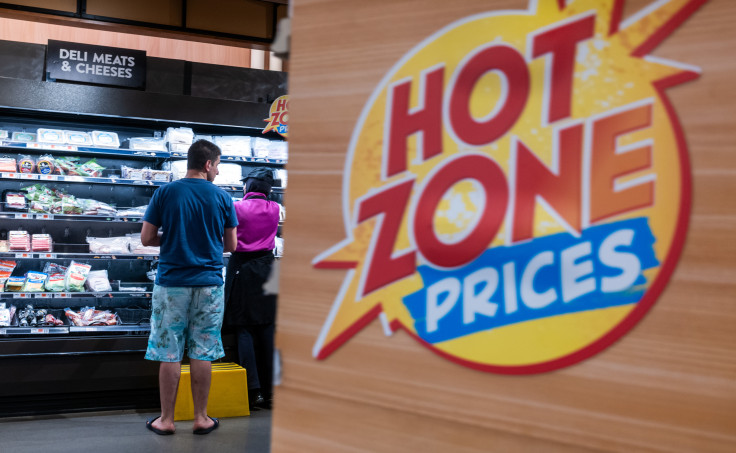
The US Department of Agriculture has estimated that prices for food at home are expected to rise 2.7% across the country this year, the Associated Press reported.
The figure is higher than the grocery inflation in 2024 and 2025 and near to the historical average of 2.6%.
The food price inflation in the country peaked in 2022, when prices soared 11.4%. There has not been a change of course for the figure. After the US and Israel unleashed the Middle East war on Iran, the effects of inflation continued to impact US consumers.
The AP report quoted Matt Hamory, the global grocery practice lead at AlixPartners, a consulting company, as saying that despite claims that inflation is slowing, prices are not getting cheaper.
Consumers in the US spent an average of 12.9% of their pretax incomes on eating out and at home in 2024. The figure masked another issue: The figure was 33% for the one-fifth of households with the lowest earnings, according to the US Department of Agriculture.
US households are battling what is considered the biggest jump in grocery prices in half a century. In other terms, purchasing food to eat at home has become 33% more expensive in U.S. cities since the beginning of 2019, official data showed. In the 7 1/2 years before 2019, prices rose 6.4%.
There is relief for some sections that the figures provide.
The average weekly earnings of people with full-time jobs have risen a tad faster than the cost of groceries since 2019, figures from the US Bureau of Labor Statistics revealed.
Jared Bernstein, a senior policy fellow at the Stanford Institute for Economic Policy, however has a different take.
If a worker's paycheck rises a tad outpacing the spike in supermarket receipts, the US consumers could still be under pressure as a chunk of other costs, including housing and electricity, have soared, he said. This will have a definite impact on household expenses.
Market research company NielsenIQ and consulting firm Bain recently conducted a study that revealed that the number of items purchased at grocery stores in the US dipped in the second half of last year. Almost coinciding with the Middle East conflict, it dropped more sharply starting in February of this year. The conflict began on February 28, when the US and Israel pounded Iran.
According to the study, the factors leading to a decline in grocery spending were high gas prices, rising GLP-1 usage and cuts in the number of people receiving government food aid are all affecting grocery spending.
This has also led to another trend. US consumers, pinched by the inflationary pressures, are seeking deals more aggressively.
Discounters like Costco, Walmart and Aldi ate up the market share from traditional grocers, according to market research firm Numerator.
Another vital pointer is that shoppers are replacing their preference for name-brand products with store brands as they scramble to save money.
Store brand sales at supermarkets, drugstores and other retailers rose to a record $282.8 billion in 2025, according to the Private Label Manufacturers Association.
© Copyright IBTimes 2026. All rights reserved.