Clashes In The Middle East Continue To Escalate. Oil Keeps Climbing.
Brent crude, the international benchmark, topped $108 per barrel on Tuesday.

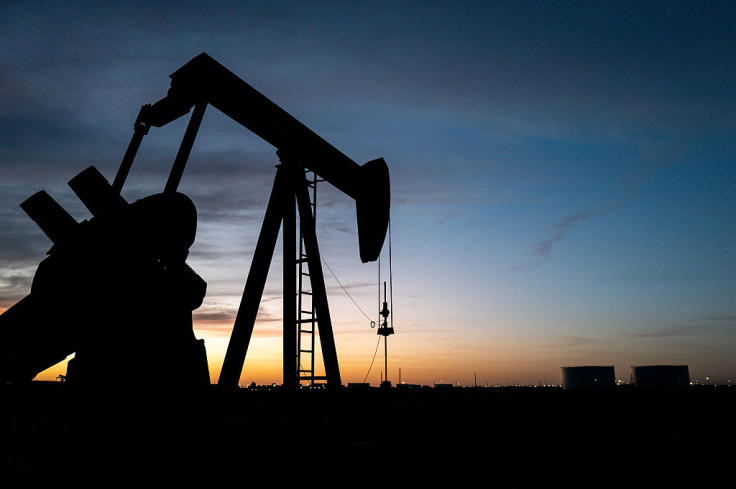
Oil prices keep climbing on Tuesday as clashes in the Middle East continue to escalate, particularly between Yemen's Houthi rebels and Saudi Arabia.
Brent crude, the international benchmark, gained 2.48% and topped $108 per barrel at 10:30 a.m. ET, while West Texas Intermediate, the U.S. benchmark, increased by 2.83% and clocked in at $104.26 per barrel at the same time.
A Houthi official said that three people were killed and two more injured as a result of Saudi strikes in the country. The Iran-backed group has recently made substantial gains in the Red Sea and strengthened its embargo on Saudi oil transiting the waterway. Forces also struck Riyadh's key East-West pipeline after sustaining multiple attacks last Friday, further threatening its oil exports.
Citing sources familiar with the matter, Reuters detailed that Riyadh could take up to six weeks to fix the pipeline if it doesn't get hit again. Another estimate claimed that the work could take less and partial pumping could resume as well.
However, should the country not manage to resume exports, about 4% of the global oil supply could come under threat.
Elsewhere, a meeting between Gulf countries to discuss the reopening of the Hormuz Strait was postponed. Omani Foreign Minister Badr Albusaidi said on Sunday that "In the interests of consensus the regional meeting set for tomorrow in Salalah has been postponed."
"We remain committed to fostering dialogue that supports stability and lasting cooperation in our region," the minister added. He did not specify whether a new date had been set.
A regional source with knowledge of the matter told CNN that diplomats hoped the meeting would create momentum for a potential deal even if countries still don't fully agree on a framework that could ultimately allow Iran and Oman to collect fees for passage.
However, Saudi Arabia had submitted amendments to the framework over concerns that it could a new status quo that wouldn't be acceptable to other countries. While mandatory fees are rejected, there was willingness to consider voluntary contributions.
Iran, in turn, informed that Foreign Minister Abbas Araghchi will visit China on Wednesday, where he will meet with counterpart Wang Yi.
© Copyright IBTimes 2026. All rights reserved.
- Recommended For You