Iranian Strikes Have Damaged Or Destroyed ‘Hundreds Of Buildings And Structures’ At U.S. Bases: Pentagon Report
Tehran's strikes have also hit "dozens" of aircraft by the end of June.


The Pentagon's Inspector General said in a new report that the war in Iran cost more than $33 billion by the end of June. The figure stood at $33.4 billion, including $7.4 billion of cumulative obligations, $22.3 billion for expended munitions and $3.7 billion in equipment losses.
The report, sent to Congress, also details that the costs include $184 million in physical damage to U.S. diplomatic facilities in Iraq, Kuwait, Saudi Arabia and the United Arab Emirates.
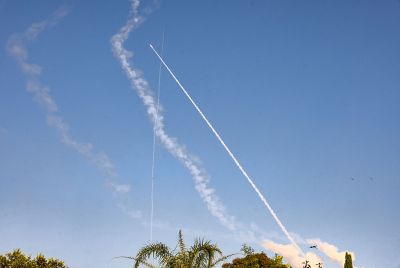
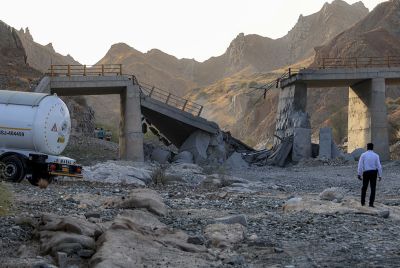
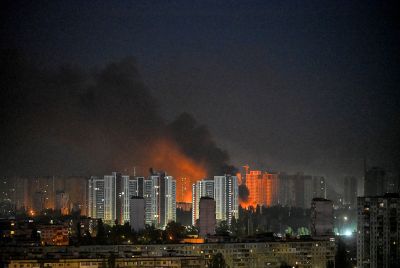
Moreover, "hundreds of buildings and structures" at U.S. bases in the region have been damaged or destroyed, as well as "dozens" of U.S. aircraft.
U.S. actions have also "resulted in strategic inventory shortfalls and revealed industrial base bottlenecks for munitions resupply."
As a result, the Department of Defense is "working to streamline procurement processes and production lead times, and to stockpile critical materials, components, and selected munitions to respond rapidly to a contingency."
Expenses have increased further ever since, as the U.S. and Iran resumed hostilities in July, just days after signing a Memorandum of Understanding aimed at ending the war and beginning negotiations on Tehran's nuclear program.
Hostilities are showing no signs of abating anytime soon as Iran-backed Houthis are striking key energy facilities in Saudi Arabia.
Riyadh shut down its key East-West pipeline after sustaining multiple attacks last Friday, further threatening its oil exports.
Citing sources familiar with the matter, Reuters detailed that Riyadh could take up to six weeks to fix the pipeline if it doesn't get hit again. Another estimate claimed that the work could take less and partial pumping could resume as well.
However, should the country not manage to resume exports, about 4% of the global oil supply could come under threat.
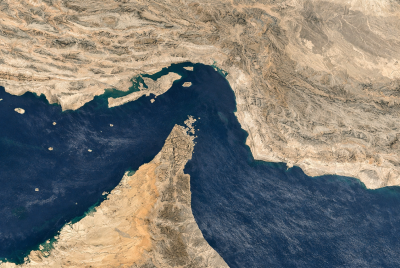
The development marks another major threat to Riyadh's oil exports, as Iran is preventing most ships from transiting through the Strait of Hormuz, and the Houthis have declared an embargo of Saudi oil in the Red Sea, targeting its ships in the waterway and striking energy infrastructure.
The Houthis also reached the island of Perim in the Bab el-Mandeb Strait last week, a breakthrough that could help the group tighten its grip on the key shipping lane.
Elsewhere, a meeting between Gulf countries to discuss the reopening of the Hormuz Strait was postponed. Omani Foreign Minister Badr Albusaidi said on Sunday that "In the interests of consensus the regional meeting set for tomorrow in Salalah has been postponed."
"We remain committed to fostering dialogue that supports stability and lasting cooperation in our region," the minister added. He did not specify whether a new date had been set.
© Copyright IBTimes 2026. All rights reserved.
- Recommended For You