

Concerns Mount About The Global Food Supply. Farmers Face Rising Challenges Driven By Wars And Weather.
Ongoing wars have restricted shipping lanes and driven up fertilizer costs.

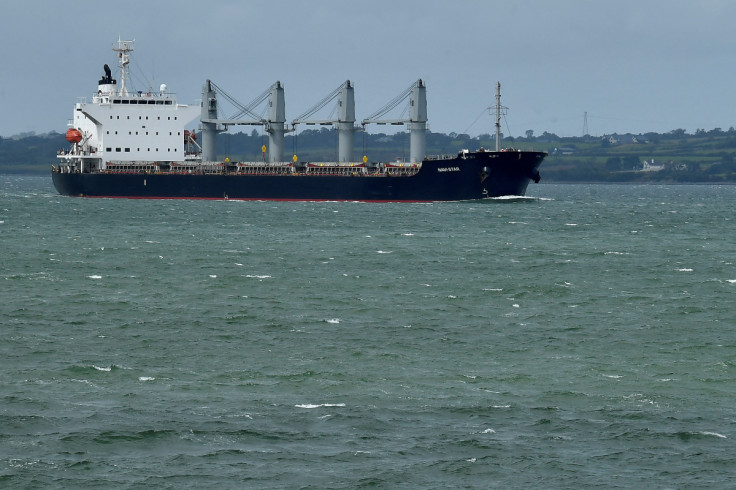
Experts are worrying about the possibility that the ongoing war between Russia and Ukraine could hinder grain exports and eventually impact the global food supply.
The problem has not arisen yet. CNBC noted that the two nations exported about 100 million metric tons of grain combined during the first six months of the year. However, the warring nations have repeatedly attacked each other's infrastructure, including ports, potentially blocking shipments.
Complicating matters is the price of fertilizer, which has driven nitrogen fertilizer prices higher. A study by the University of Illinois states that "Nitrogen fertilizer prices have increased sharply since February 28, 2026, when hostilities began between Iran, the United States, and Israel. Prices rose further as the conflict escalated and the Strait of Hormuz—a critical shipping route for energy and nitrogen fertilizers—was closed."
Farmers also have faced higher prices of gas and diesel, used to run essential equipment.
CoBank's lead economist Jacqui Fatka wrote that although the peak high price for fertilizer had receded, elevated prices were likely to remain. CoBank is one of the largest private providers of credit to the U.S. rural economy.
"The ripple effect of the Middle East conflict compounded with tight supplies will create higher prices and sourcing issues in 2027 and beyond. Availability and affordability concerns have created demand destruction and demand deferral that cloud the fertilizer price outlook for the next few years," Fatka wrote.
"Even if prices stay below the extreme levels feared after the Strait of Hormuz closure, the industry should prepare for fertilizer costs to remain structurally higher — and more difficult to manage — through the next several crop years," she wrote.
Although the global food supply has remained relatively stable, CNBC reported that experts are concerned about the long term.
"A lot of things will come together to seriously affect crops next year," trade and agriculture analyst Noel Fryer told CNBC. "We've had crops decimated by weather in Europe and the U.S. A searingly hot summer in Europe has eroded grazing potential, with no hay and grass for cattle. A possible result of that is significant herd liquidation."
© Copyright IBTimes 2026. All rights reserved.