

Cuba’s Power Grid Has Collapsed For the Third Time This Month, Deepening Island’s Energy Crisis
Cuba's national electric grid collapsed Tuesday for the third time in just nine days.

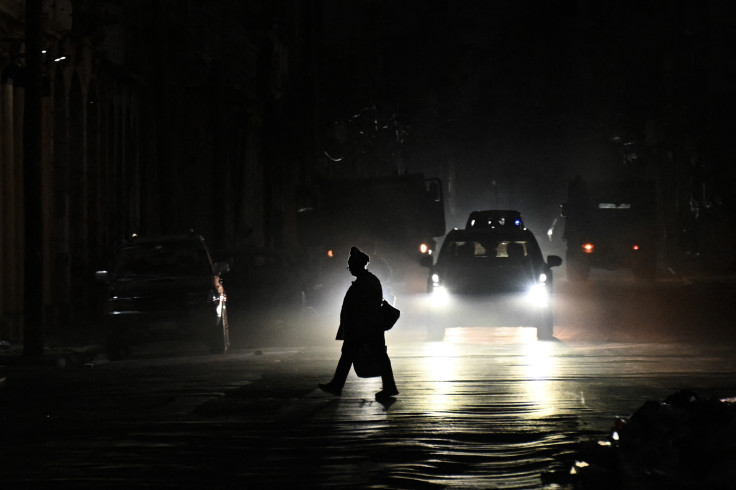
Cuba's national electric grid collapsed for the third time in just nine days on Tuesday, plunging millions of residents into darkness as authorities struggle to stabilize an aging power system amid severe fuel shortages.
The Cuban Ministry of Energy and Mines said the country's National Electric System suffered a "total disconnection" after a failure at a power plant in the eastern province of Holguín triggered a cascading collapse across the island. The outage left nearly all of Cuba's approximately 10 million residents without electricity, marking the latest nationwide blackout in a month already defined by repeated grid failures.
#Cuba
— Ministerio de Energía y Minas Cuba 🇨🇺 (@EnergiaMinasCub) July 15, 2026
Sistema Eléctrico interconectado desde #PinarDelRío hasta #Holguín
The collapse follows two previous nationwide outages earlier this month, on July 6 and July 10, highlighting the increasingly fragile state of Cuba's electricity network. The latest failure represents the fifth major nationwide blackout since March.
Officials immediately began the slow process of rebuilding the grid by creating isolated "micro-islands," small pockets of electricity used to power critical infrastructure before reconnecting them to the broader national system. However, the official Energy Ministry account posted on social media that the grid has been restored.
Restablecido el Sistema Eléctrico Nacional 🇨🇺 https://t.co/Fcj9BTGvEa
— Ministerio de Energía y Minas Cuba 🇨🇺 (@EnergiaMinasCub) July 15, 2026
Hospitals, food production facilities and other essential services received priority as technicians worked to restore electricity incrementally across the country. By Tuesday afternoon, some neighborhoods in Havana and a handful of other provinces had regained power, though large sections of the island remained in darkness.
The repeated outages have severely disrupted daily life for Cubans already coping with long rolling blackouts that have become commonplace. Traffic lights stopped functioning in Havana, businesses closed, internet and telecommunications services were interrupted, and water systems dependent on electric pumps ceased operating in many communities.
The loss of refrigeration has also worsened food shortages, while high summer temperatures have made living conditions especially difficult for elderly residents and people with chronic health conditions.
The energy crisis stems from a combination of structural and geopolitical factors. Cuba's thermoelectric plants are decades old and frequently suffer mechanical failures, while the island produces only about 40% of the fuel it consumes. The government has struggled to secure enough imported oil to keep power plants operating at full capacity.
Cuban authorities have blamed the worsening shortages on tightened U.S. sanctions and restrictions that have reduced the island's access to imported fuel. According to Reuters, officials say Cuba lost a major source of oil after political changes in Venezuela earlier this year, while pressure on other suppliers has further constrained imports.
The United States, meanwhile, has maintained pressure on Havana, arguing that Cuba's economic problems stem primarily from decades of centralized economic management and a lack of structural reforms.
The recurring blackouts have fueled growing public frustration. Small demonstrations have erupted in several communities in recent days as residents protest prolonged power cuts, food shortages and deteriorating living conditions. While the protests have remained relatively limited compared with the nationwide demonstrations seen in 2021, analysts say the repeated collapse of essential services continues to test public patience.
For many Cubans, the outages have become an exhausting routine. Residents interviewed by Reuters described sleeping on rooftops to escape the intense heat inside powerless apartments, keeping refrigerators nearly empty to avoid losing food, and relying on relatives or neighbors with generators or solar panels whenever electricity disappears.
© Copyright IBTimes 2026. All rights reserved.