FDA Clears First Of Its Kind Cholesterol Medication: Lipfendra Makes History
The landmark decision introduces the first once-daily pill in a drug class that has dramatically lowered low-density lipoprotein cholesterol (LDL-C), commonly known as "bad" cholesterol.

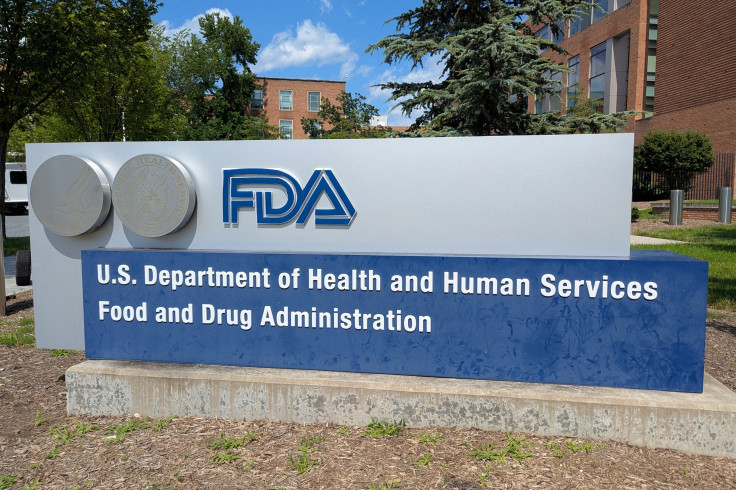
The U.S. Food and Drug Administration has approved Merck's Lipfendra (enlicitide), making it the first oral PCSK9 inhibitor available in the United States and offering millions of patients with high cholesterol a new alternative to injectable therapies.
The landmark decision introduces the first once-daily pill in a drug class that has dramatically lowered low-density lipoprotein cholesterol (LDL-C), commonly known as "bad" cholesterol, but until now has only been available through injections.
The approval will help adults with hypercholesterolemia, including those with heterozygous familial hypercholesterolemia, an inherited condition that causes dangerously high cholesterol levels. The medication is approved as an adjunct to diet and exercise to reduce LDL cholesterol, a major risk factor for heart attacks, strokes, and other cardiovascular diseases.
Lipfendra contains the active ingredient enlicitide, a macrocyclic peptide that works by blocking the PCSK9 protein. PCSK9 prevents the liver from removing LDL cholesterol from the bloodstream. By inhibiting the protein, the drug allows the liver to clear more cholesterol, producing significant reductions in LDL levels.
Unlike statins, which reduce cholesterol production in the liver, Lipfendra targets a different biological pathway and can be used alongside statin therapy when additional cholesterol lowering is needed.
The FDA based its decision on two Phase 3 clinical trials, CORALreef Lipids and CORALreef HeFH. According to Merck, patients taking Lipfendra experienced placebo-adjusted reductions in LDL cholesterol of approximately 56% to 59% after 24 weeks of treatment. In some analyses, LDL reductions approached 60%, placing the drug among the most effective cholesterol-lowering therapies currently available.
The approval could reshape the cholesterol treatment landscape. PCSK9 inhibitors have been available for nearly a decade through injectable medications such as Amgen's Repatha and Regeneron's and Sanofi's Praluent.
While those drugs have proven highly effective, their adoption has been slowed by higher costs, insurance hurdles, and patient reluctance to use injections. Lipfendra offers patients a more convenient once-daily pill without sacrificing much of the cholesterol-lowering power associated with injectable PCSK9 therapies.
Merck said Lipfendra will carry a list price of $10.50 per tablet, or about $315 for a 30-day supply. The company expects many insured patients to pay substantially less and said it also plans to offer discounted pricing through the federal TrumpRx.gov prescription drug discount program.
Cardiovascular disease remains the leading cause of death worldwide, and elevated LDL cholesterol is one of its most significant modifiable risk factors. According to the American Heart Association, roughly one in four U.S. adults has high LDL cholesterol, underscoring the potential impact of a more accessible PCSK9 therapy.
Despite the excitement surrounding the approval, it remains unclear whether Lipfendra's dramatic cholesterol reductions translate into fewer heart attacks and strokes. Merck is conducting a long-term cardiovascular outcomes trial designed to answer that question, with results expected later this decade. Until then, physicians will rely on the extensive body of evidence showing that lowering LDL cholesterol generally reduces cardiovascular risk.
© Copyright IBTimes 2026. All rights reserved.
- Recommended For You