The Fed Is Considering Fewer Policy Meetings. The Proposal Could Mark the Biggest Process Change in Decades.
The proposal could reportedly be finalized before the Federal Open Market Committee's next meeting in September.


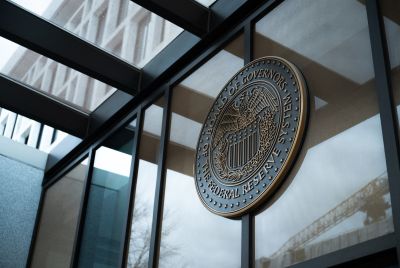
The Federal Reserve could soon make one of the most significant changes to its monetary policy process in decades as Chair Kevin Warsh reportedly considers reducing the number of annual meetings where officials decide interest rate policy.
According to a report by The New York Times, the proposal would cut the Fed's current schedule of eight policy meetings per year to six, while adding two separate meetings dedicated to broader economic issues rather than interest rate decisions.
The proposal could reportedly be finalized before the Federal Open Market Committee's next meeting in September. The Federal Reserve Act requires policymakers to meet at least four times annually, meaning Warsh would not need approval from Congress to implement the change.
The Fed has operated under its current schedule of eight regularly scheduled policy meetings since 1981 under the Reagan administration, making any reduction the biggest procedural overhaul in more than four decades. Although the Fed has already published tentative meeting dates for 2027, those dates could still be revised if officials approve a new calendar.
Every scheduled FOMC meeting sets off an intensive process of reviewing economic data lasting several weeks. Unlike some of his predecessors, Warsh has maintained a more restrained communications strategy, offering fewer forward-looking policy signals and placing less emphasis on frequent public guidance about the future path of interest rates.
That approach reflects a broader effort to reduce market dependence on constant Fed messaging and instead encourage investors to focus on incoming economic data. However, fewer scheduled meetings could also reduce the central bank's flexibility during periods of rapid economic change.
Supporters of the idea argue that fewer meetings could streamline the central bank's operations. However, if inflation unexpectedly accelerates, financial markets become unstable, or the labor market deteriorates sharply, policymakers would have fewer routine opportunities to adjust interest rates.
Financial markets closely monitor every FOMC meeting because interest rate decisions influence borrowing costs throughout the economy, affecting financial markets worldwide. A reduction in scheduled meetings would not necessarily mean fewer policy changes. The Fed has historically left interest rates unchanged at many meetings, while officials retain the authority to act between scheduled sessions if conditions warrant.
While the Fed can always convene emergency meetings outside its regular schedule, those actions are typically reserved for extraordinary circumstances, such as financial crises or severe economic disruptions.
© Copyright IBTimes 2026. All rights reserved.
- Recommended For You