

The Fed’s Preferred Inflation Gauge Was Cooler And Private Payrolls Beat Expectations. Stocks Were Mixed.
Odds of a rate hike by the Federal Reserve decreased significantly after the personal consumption expenditures price index figures were released.

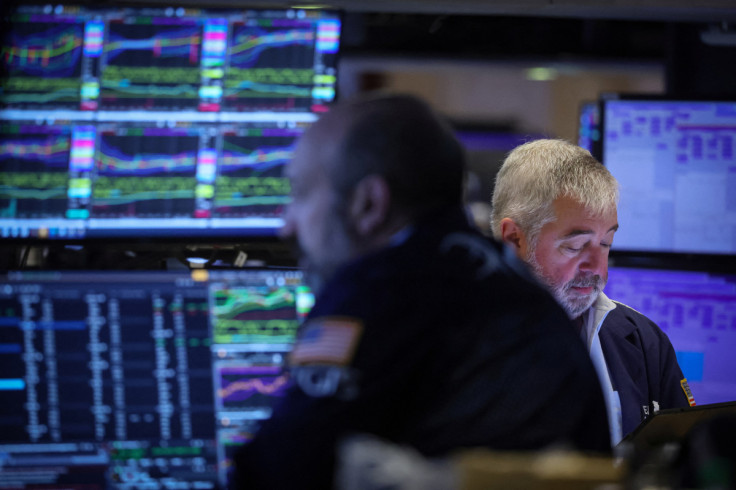
Stocks were mixed on Wednesday after the Federal Reserve's preferred inflation gauge and private payrolls were better than expected.
The tech-heavy Nasdaq Composite gained 0.24%, while the S&P 500 and the Dow Jones Industrial Average fell 0.25% and 0.86%, respectively.
Odds of a rate hike by the Federal Reserve decreased significantly after the report. The CME Group's FedWatch tool showed that chances that interest rates remain at current levels now stand at 62.9%, compared to 49.1% on Tuesday.
According to the latest data from the Commerce Department, the personal consumption expenditures price index climbed a seasonally adjusted 0.3% for the month. The 12-month gain stood at 3.4%, below the 3.7% expected by economists.
However, the core index showed a 0.2% increase, below the 0.3% expected by economists. The annual figure stood at 3%, below the 3.3% expected by analysts.
Energy costs led the increase. Gasoline climbed 4.4%, while transportation services gained 1.4%. Energy goods and services rose 2.3%.
However, consumer confidence keeps deteriorating. The Conference Board Consumer Confidence Index released new figures on Tuesday showing that its index fell by 6.7 points, from 88.6 in August to 81.9. The Present Situation Index, which surveys consumers' assessment of business and labor market conditions, and the Expectations Index, based on their outlook for income, business and labor market conditions, also plummeted.
As for private payrolls, ADP detailed that they increased by 90,000, compared to the Dow Jones consensus estimate of 68,000.
"Hiring accelerated for the first time since May, led by education and health care and leisure and hospitality," the report noted, while "financial activities and professional and business services showed weakness."
Education and health services added 55,000 jobs, while leisure and hospitality added 22,000. In contrast, financial activities shed 16,000 roles and professional and business services 11,000.
ADP Chief Economist Nela Richardson described the report as "strong." "After a three-month slowdown, job creation rebounded and pay growth remained solid," she added.
Elsewhere, the U.S. economy grew 2.2% in the second quarter of the year, slightly less than in the first one (when it grew 2.5%) but above its previous estimate of 1.5%, new figures show.
The data from the Commerce Department's Bureau of Economic Analysis noted that "real GDP was revised up 0.7 percentage point from the second estimate, primarily reflecting upward revisions to investment, consumer spending, and government spending." Consumer spending, which accounts for about 70% of the U.S. economic activity, climbed 3.8%, up from 0.7% in the first quarter.
The report went on to note that consumer spending, investment and exports were the main contributors to the figure. The figure was dragged down by increased imports.
The leading industry contributors, the document noted, were real estate, information, durable goods manufacturing, finance and insurance and rental and leasing. In contrast, transportation and warehousing, retail trading and nondurable goods manufacturing dragged down the figure.
© Copyright IBTimes 2026. All rights reserved.