

Gold Is Down 10% in Six Months: Morgan Stanley Says 3 Forces Could Support a Comeback.
They are persistent demand from central banks and China, concerns over government debt and fiscal sustainability, and the possibility that easing inflation pressures eventually push bond yields lower.

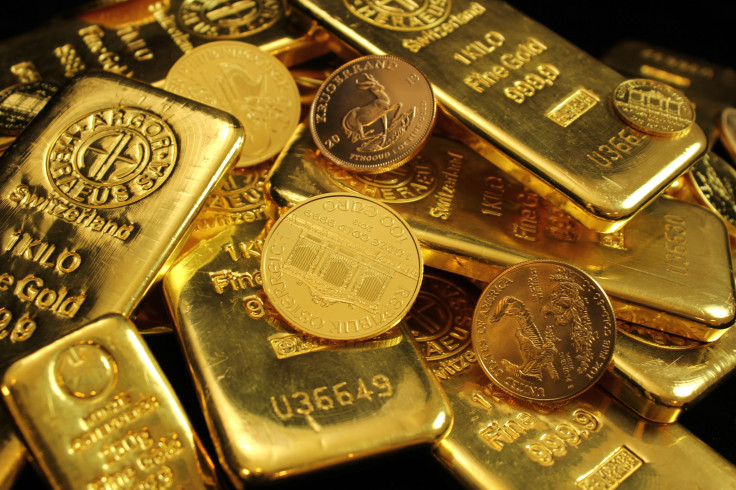
Gold's recent retreat has taken some shine off one of the market's most closely watched safe-haven assets, but Morgan Stanley says the longer-term case for owning the precious metal remains intact.
Gold prices have come under pressure as rising Treasury yields and renewed expectations for Federal Reserve interest rate hikes make non-yielding assets less attractive. The selloff accelerated earlier this week, when gold briefly fell to its lowest level since early August as the benchmark 10-year Treasury yield climbed to levels not seen since 2007. They edged down on Wednesday.
Still, Morgan Stanley metals and mining strategist Amy Gower sees three major forces that could provide a floor for gold: persistent demand from central banks and China, concerns over government debt and fiscal sustainability, and the possibility that easing inflation pressures eventually push bond yields lower.
"There are still lots of reasons to have gold," Gower told CNBC's "Squawk Box Europe", adding that Morgan Stanley sees $4,000 an ounce as "quite a strong floor." Gold was attempting to rebound Wednesday.
One of the strongest arguments supporting gold, according to Gower, is continued physical demand, particularly from central banks. Central banks reported net purchases of 23 metric tons of gold in July, according to the World Gold Council.
China added 20 tons while Poland purchased 8 tons, making the two countries the month's largest reported buyers. Poland's purchases reached 90 tons for the year through July, while China's central bank extended its buying streak to 21 consecutive months.
China's appetite extends beyond its central bank. Chinese gold ETFs recorded inflows of about 5 billion yuan, or $744 million, in July, lifting their holdings by 5 tons to 282 tons, according to the World Gold Council. The People's Bank of China's July purchase was its largest monthly addition since late 2023.
"China seems to have this very strong appetite for gold," Gower said. The second factor is growing concern about government finances and long-term debt levels around the world. Ordinarily, higher government bond yields create a problem for gold because investors can earn income from bonds while bullion pays no interest. That dynamic has been a major contributor to gold's latest decline.
But Gower suggested the relationship could change if stress in long-dated bond markets eventually prompts policy intervention or sends yields lower. "What if we get more intervention in that long-dated bond market and then you get yields coming back down?" she said.
The third potential catalyst is inflation, particularly through energy prices. Oil prices have remained elevated during the seven-month conflict involving the U.S. and Iran, but Middle Eastern crude exports have been recovering. If diplomatic efforts lead to a meaningful de-escalation and oil prices fall, inflation expectations could ease.
"What happens if oil comes down?" Gower asked. Lower inflation could reduce pressure on the Fed to keep raising interest rates. Falling rate expectations would likely weigh on Treasury yields and the dollar, two developments that have historically improved the relative appeal of gold.
That possibility gained relevance Wednesday after fresh inflation data prompted traders to scale back expectations for another Fed increase in October. Gold responded by moving higher. The precious metal nevertheless faces a complicated final quarter of 2026. Fed meetings, inflation reports, economic data, oil prices and geopolitical developments could all generate significant volatility
© Copyright IBTimes 2026. All rights reserved.