

Global Inflation Remains Sticky. Bond Markets Around The World Continue Their Rout.
The selloff reached U.S. Treasurys and European debt as investors worried that another energy-price shock could keep inflation and interest rates higher for longer.

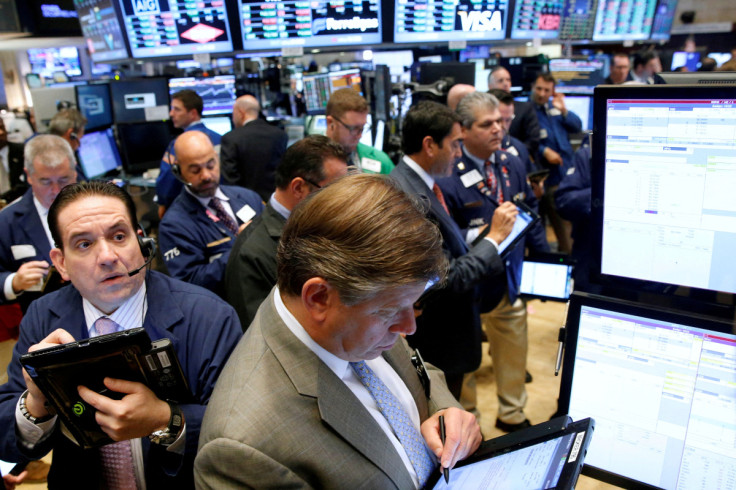
Government borrowing costs surged across major economies Tuesday, with yields reaching multi-decade highs in Japan and Britain as renewed fighting between the U.S. and Iran drove oil prices higher and intensified concerns that another burst of energy inflation could keep interest rates elevated.
Japan's benchmark 10-year government bond yield touched 3% for the first time since 1996, while the two-year yield climbed to its highest level in more than three decades. The selloff spread across Europe and the U.S., where the 10-year Treasury yield rose to about 4.79%, its highest since January 2025.
British government debt was among the hardest hit, with the 10-year gilt yield climbing above 5.23%, its highest since the 2008 global financial crisis, while the 30-year yield approached 5.9%, a level not seen since 1998. Germany's 10-year Bund yield also rose above 3.3%, while shorter-term borrowing costs increased in Germany and France as investors reassessed the outlook for inflation and monetary policy.
Renewed pressure in bond markets followed another escalation between Washington and Tehran, with American strikes on Iranian-held islands near the Strait of Hormuz followed by Iranian missile retaliation. Shipping through Hormuz, which previously carried about one-fifth of global oil supplies, has remained severely disrupted during the conflict.
Iranian President Masoud Pezeshkian said on Tuesday that Iran would reciprocate if Washington decided to go back to abiding by the memorandum of understanding signed by the countries in June. Trump, however, has rejected going back to negotiations in the past days.
At the same time, Treasury Secretary Scott Bessent said the U.S. will further escalate economic pressure against Iran this week. "This is going to be financial violence if we have to," he said. "We are showing people that we know who you are, you know who you are, and this has got to stop."
Higher energy prices have complicated expectations for central banks because sustained increases in fuel and transportation costs can feed into broader consumer inflation. Investors were already weighing the possibility of further monetary tightening in several major economies, while concerns about government borrowing and rising debt loads have added pressure to longer-dated bonds, the Financial Times noted.
Treasury Secretary Scott Bessent pushed back against concerns about the U.S. bond market during the G20 finance ministers' gathering in Asheville, North Carolina, arguing that American government debt has performed better than bonds in several other developed economies. The U.S. Treasury Department is hosting finance ministers and central bank governors from the world's leading economies in Asheville through Tuesday.
© Copyright IBTimes 2026. All rights reserved.