Treasury Yields Stay Near Decades-High After Fed Pause. Long-Term Borrowing Costs Still Under Pressure
Investors are reassessing the outlook for inflation and interest rates after the Federal Reserve left policy unchanged for a second straight meeting.


U.S. Treasury yields held near recent highs Thursday as investors digested the Federal Reserve's latest interest rate decision and awaited fresh inflation data that could shape expectations for the remainder of the year.
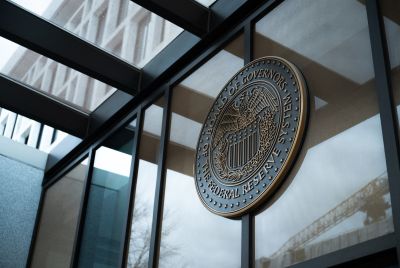
The benchmark 30-year Treasury yield remained close to levels last seen in 2007 after the Federal Open Market Committee voted to leave its benchmark federal funds rate unchanged at 3.5% to 3.75%. The decision marked the second policy meeting under Fed Chair Kevin Warsh and reflected the central bank's view that the economy continues to expand despite lingering geopolitical and inflation risks, the Federal Reserve said in its post-meeting statement.
The policy statement acknowledged that economic activity remains resilient while highlighting continued uncertainty tied in part to the conflict in the Middle East. Officials also noted that labor market conditions have remained broadly stable, with job growth keeping pace with workforce expansion and unemployment changing little, according to the Fed.
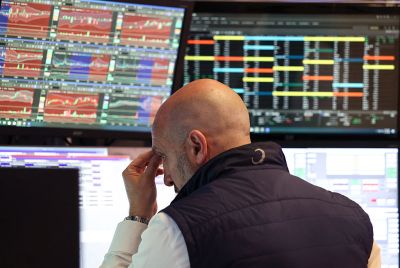
Bond markets, however, signaled that investors remain less certain about the path back to the central bank's inflation target. Longer-dated Treasury yields continued to trade well above shorter-term rates, extending a recent steepening of the yield curve as traders demanded higher compensation for holding long-term government debt, CNBC reported. Market participants have increasingly focused on whether persistent fiscal borrowing, resilient economic growth and inflation risks will keep long-term yields elevated even if the Fed moves cautiously on short-term rates.
Economists at Deutsche Bank said they continue to expect two additional quarter-point rate increases before the end of the year, with moves likely in September and December. The bank noted that the rise in long-term Treasury yields following the Fed decision suggested investors remain unconvinced that inflation will return to target quickly, even as expectations for future real interest rates eased.
The move in Treasury yields follows a broader repricing across global bond markets in recent months. Investors have pushed yields higher as governments continue issuing large amounts of debt while central banks maintain restrictive monetary policies aimed at containing inflation. Higher long-term borrowing costs have also raised financing expenses for mortgages, corporate debt and other interest-sensitive sectors of the economy.
Housing remains one of the areas most exposed to those higher yields. While overall credit conditions have remained relatively supportive, analysts have warned that rising long-term borrowing costs could weigh further on residential real estate activity by keeping mortgage rates elevated. A steeper yield curve may also tighten financial conditions for businesses and consumers even without an immediate increase in the Fed's policy rate, Deutsche Bank said in a research note.
The inflation report carries added significance after policymakers reiterated that future decisions will remain data dependent. While the Fed kept rates unchanged this week, officials have not ruled out further tightening if inflation proves more persistent than expected or if economic activity remains stronger than anticipated.
Financial markets continue to reflect that uncertainty. According to the CME FedWatch Tool, investors are still pricing in the possibility of additional rate increases later this year, although expectations remain highly sensitive to incoming inflation and labor market data.
© Copyright IBTimes 2026. All rights reserved.
- Recommended For You