Health Care and Everyday Expenses Dominate 2026 Midterm Concerns For Rural Voters: Poll
69% of respondents in a new poll said it is "extremely important" for candidates running in the 2026 midterms to discuss the cost of living.


Cost of living and health care costs have emerged as the most pressing issues for rural voters heading into the 2026 midterm elections, outranking immigration, abortion, gun policy and even the conflict with Iran, according to a new survey.
Nearly seven in 10 rural registered voters (69%) said it is "extremely important" for candidates running in the 2026 midterms to discuss the cost of living, a new KFF/AP poll shows.
Health care costs came in second at 56%, followed closely by fraud in government programs at 54%. Immigration was cited by 45%, while 42% said the conflict with Iran was extremely important. Agriculture and farm policy, abortion, and gun policy ranked lower.
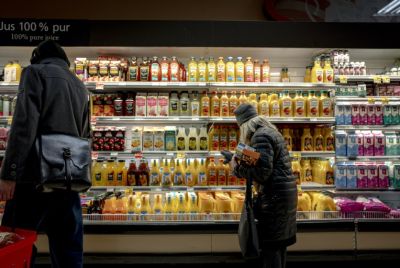
When asked to identify the biggest problem facing their local communities, 57% pointed to an economic concern, a category that included rising prices, jobs, wages, housing affordability and struggling local economies.
Sixty-seven percent of rural voters said they were at least somewhat worried about being able to afford gasoline or transportation, while 66% expressed concern about healthcare costs. Another 60% worried about paying for food and groceries, 59% about utilities and 46% about rent or mortgage payments.
The deterioration in perceptions of affordability is particularly striking when compared with figures from nearly a decade ago. Three-quarters of rural voters now rate the cost of living in their communities as either "only fair" or "poor," an increase of 25 percentage points from 2017. Meanwhile, 72% rate local job opportunities negatively, compared with 67% in 2017.
The survey also found that 46% of rural voters now say their communities do not have enough doctors to meet local needs, up from 33% in 2017. Thirty-five percent report insufficient hospital access, compared with 21% nine years ago.
Economic dissatisfaction, however, does not automatically translate into greater support for Democrats. When asked which party they trust more to address the cost of living, 40% chose Republicans, compared with 25% who selected Democrats.
Another 27% said they trusted neither party. However, the survey population itself leaned Republican, as 54% identified as Republicans or Republican-leaning independents, compared with 32% who identified as Democrats or Democratic-leaning independents.
There are also significant differences in priorities by party. Among Republican rural voters, fraud in government programs ranked first, with 65% calling it extremely important for candidates to discuss, followed by the cost of living at 62% and immigration at 56%. Among Democratic rural voters, 80% prioritized the cost of living and 72% health care costs.
The poll also points to a potential enthusiasm gap among some Republicans dissatisfied with President Donald Trump's economic performance. Twenty-seven percent of rural Republican voters disapprove of Trump's handling of the economy. Among that group, 59% said they were certain to vote in the midterms, even as 98% of rural Republicans overall said they were more likely to vote for a Republican than a Democrat.
The KFF/AP Rural Voters Survey was conducted online and by telephone from Aug. 12 through Aug. 24 among a nationally representative sample of 2,241 registered voters living in rural areas across the United States. The margin of sampling error for the full sample is plus or minus 3 percentage points.
© Copyright IBTimes 2026. All rights reserved.
- Recommended For You