

A New Poll Finds Support For Iran War At A Low Point. And It’s Dragging Down Trump’s Popularity.
Only 31 percent of Americans were supportive of the Iran war.

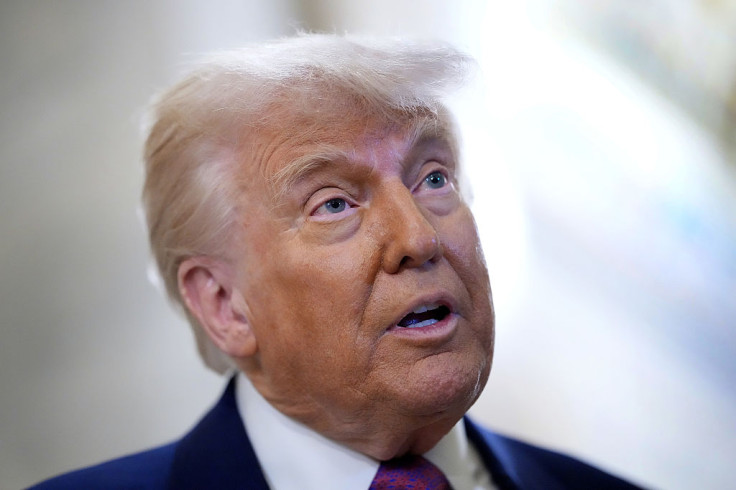
The popularity of the Iran war has reached a low point, according to a new survey.
A four-day Reuters/Ipsos poll found that only 31 percent of Americans were supportive of the Iran war, a six-point drop compared to March's figures, which stood at 37 percent. It was also down from earlier in the month when support hovered at around 34 percent.
Support keeps declining even among Republicans. In March, 77 percent of self-identified Republicans supported the war. By this month, support had fallen to about 69 percent.
The poll showed President Trump's approval rating holding steady at only 33 percent. The Reuters/Ipsos poll surveyed 1,215 U.S. adults nationwide and had a margin of error of 3 percentage points in either direction.
Polls conducted over the past six months show the war has never been popular. The Silver Bulletin, a website that tracks numerous polls and creates a composite score, currently has support for the war at about 37 percent with opposition to U.S. policy at just above 55 percent.
According to the website, opposition to the Iran war has been above 50 percent since March 19. Also, support has been below 40 percent since March. However, the website does not have the war or Trump's popularity at its lowest.
Still, Trump's approval rating remains substantially underwater according to the site, with 57.7 percent disapproving of Trump's performance and only 38.4 percent approving of his job performance.
When the war began, Trump indicated he expected it to be over in weeks. Instead, it has dragged on for months. Although the President has repeatedly announced ceasefire and other agreements with the Iranians, hostilities have continued to flair. The war has also damaged oil infrastructure throughout the region and disrupted shipping through the Strait of Hormuz, contributing to higher gas prices and overall inflation.
The president has now moved to a strategy that prioritizes economic pressure against Iran. On Monday, the administration unveiled a plan to impose secondary sanctions on those "enabling" Iran to maintain its economic activity.
Treasury Secretary Scott Bessent said the plan is called "Operation Economic Outcast" and appeared to say China could be reached by the measures.
"We want to make clear here today that no one is above the reach of U.S. sanctions," he said when asked if the measures could impact Chinese banks or the Trump administration would refrain from doing so to preserve relations with China.
"If they facilitate transactions and are part of the ecosystem that turns Iranian oil into money, into repression, they will be targeted," he added. Chinese President Xi Jinping is set to meet with President Donald Trump in September.
© Copyright IBTimes 2026. All rights reserved.