Can The Effects Of Aging Be Reversed? Scientists Believe They May Have Taken A Step Toward Doing So
Although advanced glycation end products form as part of the natural aging process, they can also come from the food you eat

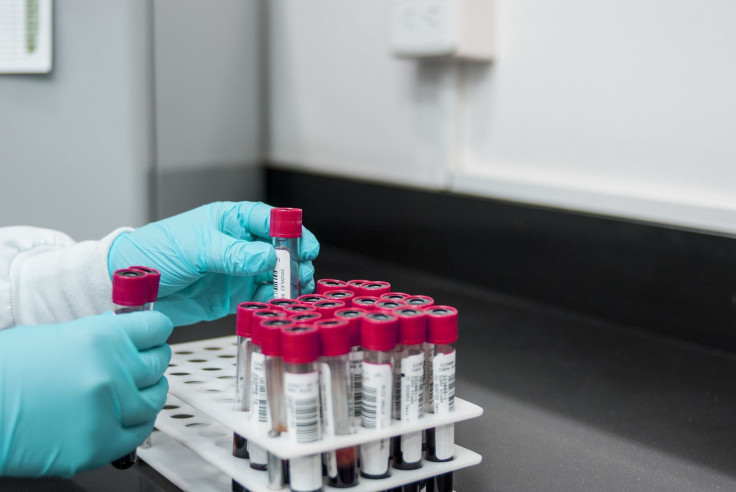
Scientists say they might have taken a step toward reversing an aspect of aging that can create a range of health problems.
The New York Times reported that scientists have been exploring how to contend with advanced glycation end products, or AGEs. Over time, AGEs buildup in tissues as sugars within the body interact with protein and fat.
"The accumulation of ... AGEs in long-lived proteins is a hallmark of mammalian aging and implicated as a driver of metabolic dysfunction," a study in Nature Communications stated.
AGEs can contribute to a slew of potential health problems, including inflammation, oxidative stress, Alzheimer's, diabetes, heart disease, and renal failure, according to Healthline.
Although AGEs form as part of the natural aging process, they can also come from the food you eat. According to Healthline, AGEs can form from barbecuing, grilling, roasting, baking, frying, sautéing, broiling, searing, and toasting food.
The New York Times reported that a buildup of AGEs is a sign of aging and makes tissues' collagen sticky and rigid, creating a range of health problems. The newspaper reported that although medications have not proven effective in dealing with AGEs, the Nature Communications study suggests a new tactic in treating them could have promise.
The study reported on the effectiveness of an enzyme the researchers created and that they tried to use to essentially cleanse tissue. If effective, the process might allow cells to operate more effectively, like younger cells, potentially reversing some of the problems caused by aging.
Researchers were cautiously optimistic with their findings: "While we demonstrated the chemical reversal of CML, it remains to be determined if this translates to the recovery of tissue biomechanics."
"This work establishes a proof-of-concept for the deglycation of aging tissues," the study stated.
"It's a small step in this bigger direction, because aging is very complicated," Aaron Cravens, a founder and the chief executive of Revel Pharmaceuticals and the lead author of the study told the New York Times. "It's the first time, I think, that anyone in the field has shown at the structural level that you can actually reverse some of these changes."
© Copyright IBTimes 2026. All rights reserved.
- Recommended For You