

Ozempic And Wegovy May Boost Workplace Productivity: New Study Links GLP-1 Drugs to a 17% Drop in Sick Days
Researchers defined long-term sick leave as illness-related absences lasting more than 30 days.

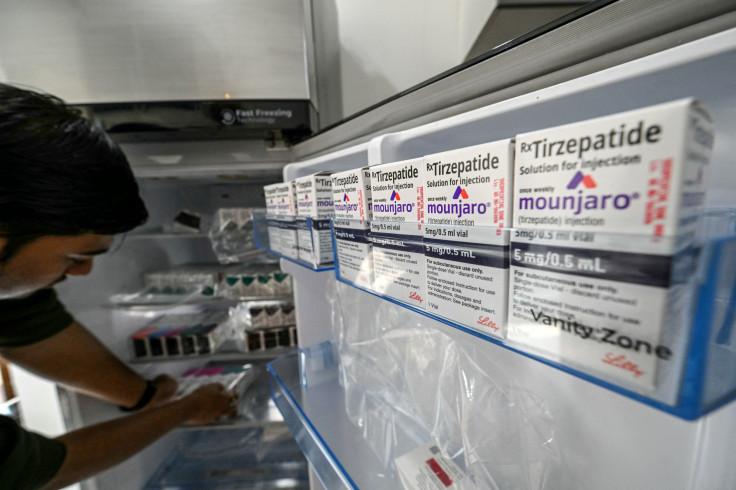
A new economic study suggests that GLP-1 medications like Ozempic or Mounjaro could reduce employee sick leave, potentially saving money for both businesses and governments while improving workplace productivity.
The research, published this month by the National Bureau of Economic Research (NBER), found that people taking GLP-1 medications experienced a 17% reduction in long-term sick leave compared with those who were not using the drugs. Researchers defined long-term sick leave as illness-related absences lasting more than 30 days.
The findings add to a growing body of evidence that GLP-1 medications may deliver broader economic benefits alongside their well-documented health effects. The study analyzed data from workers in Denmark, where researchers linked employment records with prescription drug use.
According to the analysis, the reduction in illness-related absences translated into savings worth as much as 1.5% of an employee's annual salary, or approximately $866 per worker on average.
Jonathan Zhang, a professor at Duke University and one of the study's authors, said the health improvements associated with GLP-1 medications help explain why workers miss fewer days on the job.
"Those events, we'd imagine, would lead to long-term absences from work," Zhang told CBS News, referring to serious health complications such as heart attacks and strokes. "So you can imagine the savings of not having those absences."
GLP-1 receptor agonists are prescribed to treat Type 2 diabetes and obesity. In recent years, medications such as Ozempic, Wegovy, Mounjaro and Zepbound have gained widespread attention because of their effectiveness in helping patients lose weight and improve blood sugar control.
Clinical studies have also shown the drugs can lower the risk of major cardiovascular events, including heart attacks and strokes. Researchers believe those health improvements may help explain why patients require fewer extended medical absences. The economic impact, however, depends on how countries structure their sick leave systems.
In Denmark, employers continue paying workers their full salaries during illness-related absences lasting up to 30 days. If an employee remains out longer than that, the government assumes responsibility for covering the benefits.
That means employers benefit when workers avoid short-term absences, while the government realizes savings when fewer employees require extended leave. "Imagine you take two days off, your employer would still pay your salary," Zhang told CBS News. "Now they still pay your salary, but you don't take the time off," he added.
However, unlike Denmark, the United States generally offers far less generous paid sick leave, meaning many employees continue working even when they are ill. Economists refer to this phenomenon as "presenteeism," when workers remain on the job despite health problems that reduce their productivity.
"In the U.S., which doesn't have the generous sick leave policy of Denmark, people get sick and they go to work. They're less productive because they feel crappy," Zhang told CBS News. If GLP-1 medications reduce presenteeism by improving overall health, companies could benefit from a more productive workforce, while employees may perform better and potentially advance more quickly in their careers.
© Copyright IBTimes 2026. All rights reserved.