Medium CEO Tony Stubblebine on Why AI Could Kill the Creator Economy

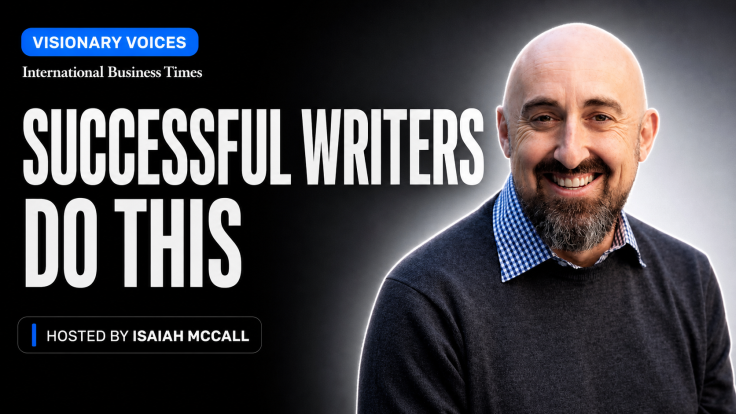
Tony Stubblebine is only the second CEO in Medium's history, and he did not arrive with a soft touch.
Before running one of the internet's largest writing platforms, he was VP of engineering at Odeo, the startup that mutated into Twitter, and before that he cut his teeth at O'Reilly, the technical publisher built on a single obsession: getting it right.
That obsession is now his whole theory for surviving the AI era.
Ask him about his loudest opinion and he doesn't flinch.
"The best writing on Medium is better than the best writing in the New York Times. A journalist there is a researcher, going to source material and summarizing it. If you could talk directly to the source, you'd learn more."
He's quick to add he doesn't think the Times is fake news. His point is that first-hand knowledge beats secondhand summary, and getting anything all the way right is brutally hard.
The Word That Terrified His Own Writers
Stubblebine spent months learning that "expert" is the most radioactive word on his platform.
"Nothing has been more contentious with Medium authors than the word expert. It's extremely threatening to actual experts."
His fix was to retire the word and reframe the goal. Not credentials, but effort: better research, more rewrites, real life experience. The bar goes up, and how you clear it is your business.
Why the Creator Economy Just Got Wiped Out
His bluntest take is aimed at the writers who built audiences by feeding the attention machine.
"A lot of the creator economy was writing at the level of what AI can write at. So you're fucked. I never thought that should have been a business in the first place."
The attention economy, he argues, trained algorithms to reward a great headline and a punchy intro over an article that actually delivers. Readers told him as much: tricked into clicking, empty by the last paragraph.
The Fix Is Humans, Not More Algorithm
Medium's subscription model, he says, is the quiet advantage, aligning the company with readers instead of advertisers.
"If I showed a person a single life-changing article once a month, that pays for the subscription. I don't need a hundred clicks. I need one great one."
So he rebuilt the recommendation engine around signals from real subject-matter experts and kept a human curation team as the gut check. AI is already swamping SEO, he notes, and today's models were trained entirely on human work, so strip that away and there's nothing underneath. The deeper problem is voice.
"We underestimate how much of reading is about an emotional connection with the author. Take the personality out of it, and it actually makes it harder to read."
His conclusion is almost stubborn in its optimism: Medium is full of people with purpose, so why automate them out?
© Copyright IBTimes 2026. All rights reserved.
- Recommended For You