Pentagon SOS To Defense Industry. Dwindling US Ammunition Stocks Are Real.
Though the missive is being projected as a broader modernization effort, reports say the Middle East conflict has significantly depleted reserves

The US is prodding its defense industry to accelerate weapons production as reports of diminished stockpiles emerged recently, mainly after the protracted Iran war.
The Pentagon has swung into action on this count, aiming to boost the pace of weapons production, including those depleted in the Middle East conflict, the Associated Press reported.
The AP report quoted Pentagon spokesman Sean Parnell's statement on Saturday that the department was actively pursuing the replenishment of "the weapons our warfighters need at the pace the threat demands."
Though Parnell confirmed the development, he termed it as part of a broader modernization effort that was initiated before the five-month-old conflict in the Middle East.
The development assumes significance as it comes after the Washington Post reported that the US President Trump privately confronted Defense Secretary Pete Hegseth during a Cabinet meeting at Camp David last week over the issue. Trump was miffed after learning that U.S. missile stockpiles had been depleted far more severely than he had believed, according to the report.
Deputy Defense Secretary Steve Feinberg has written to defense industry leaders on Wednesday seeking plans to accelerate production plans.
The missive gave them three weeks to submit plans to "drive significantly faster, more aggressive delivery schedules and/or increased production for critical capabilities," according to a memo obtained by The Washington Post.
"Years-long development cycles are not acceptable. We must dramatically accelerate our program schedules and expand our production capacity now," " Feinberg wrote in the memo, according to the report.
Trump and the US officials have repeatedly sought to allay concerns about Washington's combat capabilities. Trump had said in a Truth Social post that the US possesses "massive amounts" of munitions and said additional weapons are being manufactured and shipped as needed.
The initiative to boost defense production comes in the wake of reports that recent fighting with Iran used up more of the US military's already diminished stockpiles of advanced missile interceptors. This has the potential to expose US troops to more risk if full-fledged hostilities resume.
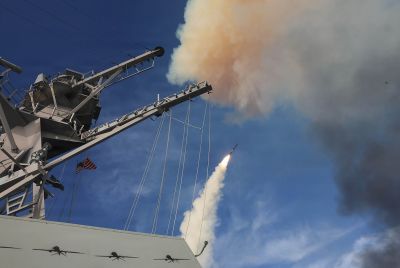
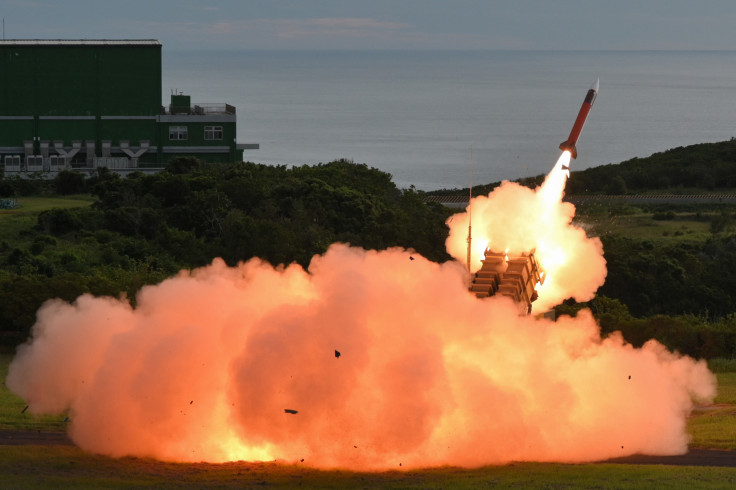
The depleted inventories include Patriot and THAAD interceptors. This is significant considering that it may force the US and its allies in the Middle East to conserve ammunition, according to experts.
Limited stocks of Navy destroyers, used to defend against ballistic missile attacks unleashed by Iran, means the European Command of the US may have to prioritize the homeland instead of seeking to protect Israel, according to a reported warning by Gen. Alexus Grynkewich, the head of US European Command, earlier this month.
Joint Chiefs Chairman Gen. Dan Caine had also flagged the issue with US President Donald Trump last month. Caine told Trump that while available options could succeed, they carried risks worth weighing.
Apart from confirming Feinberg's memo for a rapid escalation of weapons production, Parnell has said Pentagon "will inform the fiscal year 2028 budget submitted to Congress for funding, and it is entirely consistent with our ongoing push to rebuild the defense industrial base."
A defense spending bill is currently stalled in Congress, with a section of lawmakers resisting the White House request to substantially increase Pentagon spending to $1.5 trillion, up from about $900 billion last year.
Center for Strategic and International Studies, a Washington think tank, said in an analysis that the number of Patriot interceptors fell from 2,330 before the war to 1,030 when the April ceasefire took effect. After the recent fighting erupted, the stockpile has further dipped to between 759 and 827, a decrease of at least 65% since before the conflict began.
The number of THAAD interceptors also fell from 452 before the war to between 232 and 262 at the start of the April ceasefire, according to the CSIS.
© Copyright IBTimes 2026. All rights reserved.
- Recommended For You