Tensions In Middle East And Caribbean Hang In Balance As Trump Predicts Imminent Resolution To Iran War And Cuba Tensions.
The president predicted that the Iran war would soon end and that U.S. military intervention in Cuba could be avoided. Both U.S. adversaries said they were willing to talk, but prepared to fight.


Despite his apparent rejection of a deal to reopen the Strait of Hormuz and reports that the U.S. military is beefing up its Cuba-facing Southern Command, President Donald Trump appeared optimistic that both hostilities in the Middle East and tensions in the Caribbean will soon come to an end.
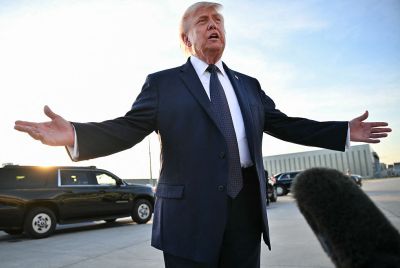
"I would say that Cuba and us will make a deal. I don't think we'll need the military. Cuba is failing very badly, we want to help Cuba. We want to open Cuba up to our people, we have great Cuban Americans that want to go back", Trump told reporters on Saturday.
The president was responding to a question about reports that the U.S. military is contemplating sending police, medical personnel and additional support units to its Southern Command in preparation for a potential operation against Cuba.
Trump made these remarks about a negotiation with Cuba on the same day that Cuban Foreign Minister Bruno Rodríguez Parrilla addressed the UN General Assembly (UNGA).
"We have always been and we will continue to be ready to engage in a dialogue with the government of the United States to try to find a solution to bilateral differences, on the basis of responsibility, respect, sovereign equality" Rodríguez Parrilla said to delegates in New York.
However, the high-ranking Cuban diplomat also warned that any U.S. invasion of the island would result in significant loss of life on both sides. In such an event, "Cuba will exercise, with utmost resolve and energy, its legitimate right to defend itself", he vowed.
In a similar vein, the Iranian Foreign Minister Abbas Araghchi told NBC on Sunday that Iran "stand[s] firm in the face of any aggression against us, even if it comes to a doomsday war" but nevertheless is "ready for diplomacy".
"Now there is a very reasonable plan on the table ... although we heard from President Trump that he is rejecting this deal, we are still waiting for an official response through the mediators", Araghchi continued, referring to a deal announced by Iran at the UNGA on Friday, which would reopen the Strait of Hormuz within seven days if certain Iranian demands were met.
Trump verbally rejected the deal on Saturday, but has since promised that hostilities with Iran are nearing their end.
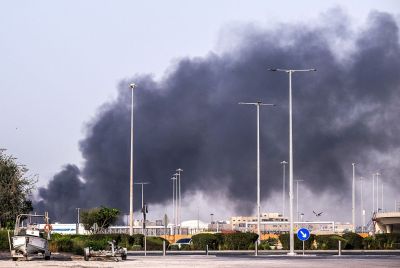
On Sunday, Trump told reporters that "oil [prices] will come dropping down as soon as Iran gives up, as soon as the war is over, which will be soon". Global oil prices have skyrocketed since the U.S. and Israel began strikes on Iran in February, but did decrease significantly in July when the fighting paused. Another cessation in hostilities could have the same effect.
Although Trump said to Fox News later on Sunday that he could not rule out further military strikes on Iran, it is unclear whether his insistence that the war will soon be over means that the U.S. will return to the negotiating table or seek to escalate the conflict and attempt to achieve complete military victory over the Middle Eastern nation.
© Copyright IBTimes 2026. All rights reserved.
- Recommended For You