

Trump Backs Off 50% Canada Tariffs for Three Days. A Bigger Trade Deal Could Be Coming.
The planned 50% tariffs were to target Canadian products including wine, hockey sticks and other imports.

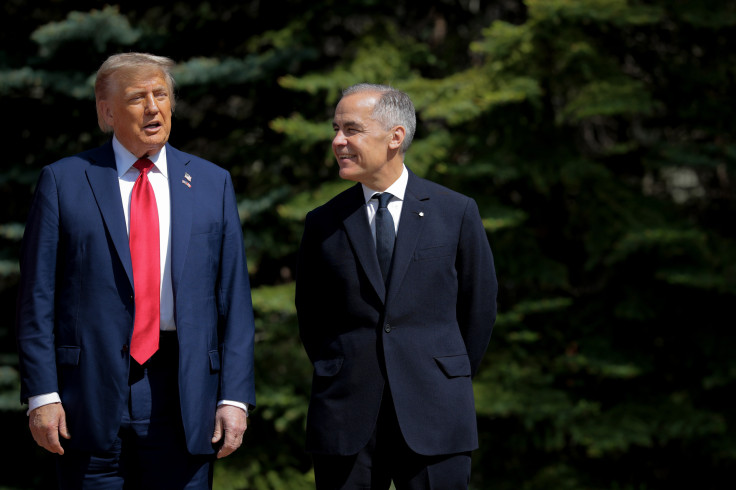
President Donald Trump has temporarily pulled the United States and Canada back from another major escalation in their trade fight, announcing a tentative agreement less than two hours before sweeping new tariffs on roughly $20 billion worth of Canadian goods were scheduled to take effect.
The planned 50% tariffs, targeting Canadian products including wine, hockey sticks and other imports, were supposed to begin at 12:01 a.m. ET Wednesday. Instead, Trump announced at 10:15 p.m. Tuesday that he was delaying the duties for three days while Washington and Ottawa work to finalize an agreement. "Canada and the U.S.A., subject to the finalization of documents, have a DEAL!" Trump wrote on Truth Social.
But exactly what is in that deal remains unclear. Trump provided few specifics in his initial announcement, while Canadian Prime Minister Mark Carney offered a more cautious assessment, saying that "substantial progress has been made" but that "important work still" remains.
My statement on ongoing Canada-U.S. trade negotiations: pic.twitter.com/rzWZJFYe8e
— Mark Carney (@MarkJCarney) August 19, 2026
By Wednesday, however, some of the potential contours of the agreement were beginning to emerge. Trump told reporters that Canada had agreed to concessions on trade barriers affecting U.S. products, particularly agriculture. He said Canadian tariffs "will be non-existent for our farmers," although he did not identify the specific duties that would be eliminated.
That issue is central to the dispute. The Trump administration unveiled the threatened 50% tariffs last month after accusing Canada of discriminating against American industries, including U.S. dairy producers.
A White House proclamation announcing the temporary suspension said Canadian officials had expressed a commitment to remove the "discriminations or unreasonable and unequal impositions" cited by the administration when it threatened the additional duties.
U.S. Trade Representative Jamieson Greer offered one of the clearest descriptions of what Washington expects from the agreement, saying it would include "comprehensive market access for all American goods," along with economic security commitments, digital trade alignment and protections for American workers and markets.
Following another meeting Wednesday with Canada-U.S. Trade Minister Dominic LeBlanc, Greer said the administration was confident the two countries had reached an agreement that would strengthen the North American economy and eliminate some of the trade "irritants" that have strained relations over the past year.
For Canada, one of the biggest questions is whether Washington will reduce tariffs on Canadian automobiles. Asked about possible relief for Canada's auto sector, Trump suggested the United States would make some concessions.
"We've got to give something," Trump said. "They were paying a high number, we're reducing it a little bit, it's good for everybody," Carney said Wednesday that negotiations were moving toward an agreement aimed at securing better terms for Canada's most important strategic sectors while creating more certainty in the country's future trading relationship with the United States.
Another potentially explosive element is Keystone XL. In announcing the tentative deal, Trump suggested the long-disputed oil pipeline project could be revived. Keystone XL was designed to carry crude oil from Alberta to Nebraska before its developer terminated the project in 2021 after President Joe Biden revoked a key permit.
"The great Keystone XL Pipeline, long ago killed by Sleepy Joe Biden, may be awoken from the grave!" Trump wrote. Trump did not mention the pipeline when discussing the agreement with reporters Wednesday, however, and Canadian officials have not publicly confirmed that reviving Keystone XL is part of the negotiations.
That leaves businesses with only limited certainty. The three-day tariff pause prevents the immediate imposition of the 50% duties, but it does not eliminate them. If the two governments fail to finalize the documents behind the tentative agreement, the threat could quickly return.
© Copyright IBTimes 2026. All rights reserved.