

Two Top Banks Say The Treasury’s Strategy To Buy Back Bonds Won’t Bring Down Yields
"We think the buybacks themselves are unlikely to meaningfully reset rate levels even if scaled up," said Goldman Sachs strategists.

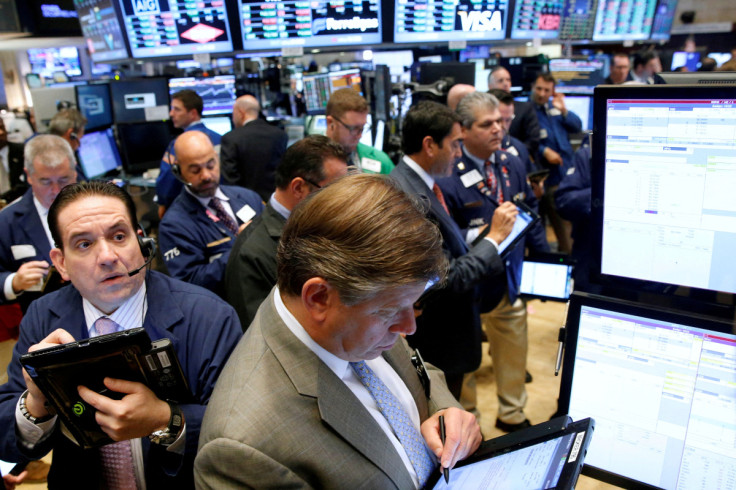
Strategists from Goldman Sachs and Wells Fargo said the Treasury Department's strategy to buy back U.S. government bonds won't help reverse the jump in long-term yields.
Strategists from the former said in a note last week that the decision "to increase long-end buybacks does not address what we see as the main sources of recent long-end volatility."
"We think the buybacks themselves are unlikely to meaningfully reset rate levels even if scaled up," the note adds.
On the same day, strategists from Wells Fargo that achieving lower yields would need macroeconomic changes, rather than intervention from the U.S. Treasury.
"From here we think another catalyst is needed to move long-end yields lower," they said, noting that they can include "a slowdown in growth and inflation, less uncertainty around Fed balance sheet and rate policy, fiscal consolidation or a slowdown in IG issuance."
The notes were issued days before a report claimed the Treasury could dip into its $1 trillion General Account (TGA) to help fund its plan to increase buyback of government bonds.
CNBC detailed on Monday that the TGA will allow the Treasury with a large chest to fund the strategy and influence long-term bond yields.
After yields reached a 19-year high last week, Bessent announced that the Treasury would more than double the size of buybacks.
However, the impact was short-lived, and yields that initially plunged rose back quickly amid renewed concerns about the effectiveness of the operations and the Treasury's firepower.
CNBC noted that using the TGA could change the perception about the Treasury's firepower, which Bessent has built up to almost $1 trillion. Officials did not say how much of the TGA would be used or if the move would be announced.
These buybacks are taking place as the U.S. is seeing reduced purchases from foreign governments and a debt that reached the $40 trillion mark.
Foreign central banks, finance ministries and sovereign wealth funds once represented one of the most dependable groups of buyers in the U.S. Treasury market. But their importance has fallen dramatically, a shift that is becoming harder to ignore as long-term Treasury yields rise and investors demand greater compensation for lending money to the federal government.
Official foreign institutions now hold about 12% of outstanding U.S. Treasury securities, according to a recent Axios analysis. The figure is down from roughly 40% during and in the years following the 2008 financial crisis.
© Copyright IBTimes 2026. All rights reserved.