

The Treasury Could Reportedly Dip Into The Massive Treasury General Account To Fund Bond Buybacks
Scott Bessent announced last week the doubling of bond buybacks, but concerns returned quickly.

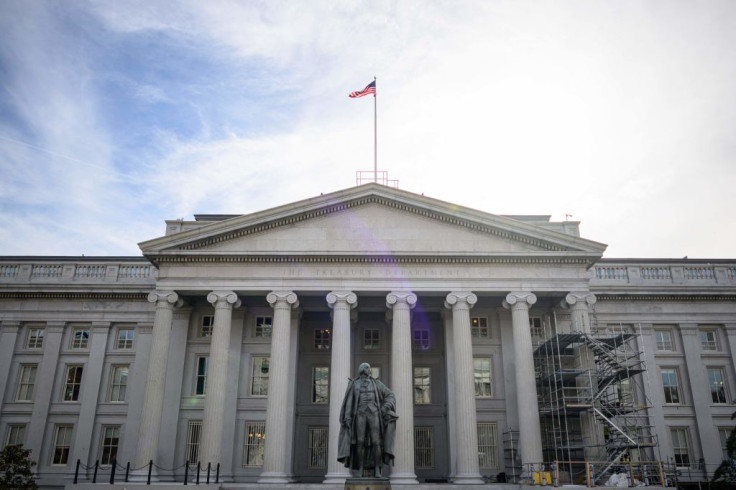
The Treasury could dip into its $1 trillion General Account (TGA) to help fund its plan to increase buyback of government bonds, according to a new report.
CNBC detailed on Monday that the TGA will allow the Treasury with a large chest to fund the strategy and influence long-term bond yields.
After yields reached a 19-year high last week, Bessent announced that the Treasury would more than double the size of buybacks.
However, the impact was short-lived, and yields that initially plunged rose back quickly amid renewed concerns about the effectiveness of the operations and the Treasury's firepower.
CNBC noted that using the TGA could change the perception about the Treasury's firepower, which Bessent has built up to almost $1 trillion. Officials did not say how much of the TGA would be used or if the move would be announced.
These buybacks are taking place as the U.S. is seeing reduced purchases from foreign governments and a debt that reached the $40 trillion mark.
Foreign central banks, finance ministries and sovereign wealth funds once represented one of the most dependable groups of buyers in the U.S. Treasury market. But their importance has fallen dramatically, a shift that is becoming harder to ignore as long-term Treasury yields rise and investors demand greater compensation for lending money to the federal government.
Official foreign institutions now hold about 12% of outstanding U.S. Treasury securities, according to a recent Axios analysis. The figure is down from roughly 40% during and in the years following the 2008 financial crisis.
The decline does not mean foreign governments have abandoned U.S. debt. Their holdings have remained relatively stable at just under $4 trillion. What has changed is the size of the market around them.
U.S. government debt has surged to approximately $40 trillion, equivalent to roughly 120% of gross domestic product. As Washington issues more debt and foreign official holdings fail to keep pace, those historically reliable buyers account for an increasingly small portion of the Treasury market.
The shift has been years in the making. China began reducing its massive Treasury portfolio more aggressively around 2016 as Beijing used reserves to support the yuan during periods of economic and financial pressure. The COVID-19 pandemic accelerated the broader trend as governments around the world needed cash to finance emergency spending.
Russia's 2022 invasion of Ukraine created another complication. Western governments froze hundreds of billions of dollars in Russian central bank assets, prompting some countries to reconsider the geopolitical risks associated with holding national reserves in dollar-denominated assets.
© Copyright IBTimes 2026. All rights reserved.