The U.S. Is Maintaining Its Naval Blockade On Iran With No Deal In Sight. Oil Is Rising.
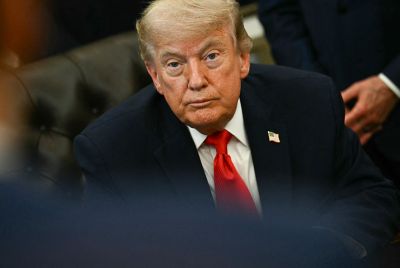
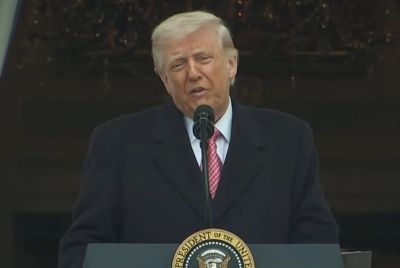
"We are only semi-negotiating with them," said President Donald Trump.


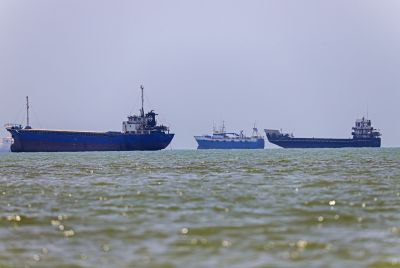
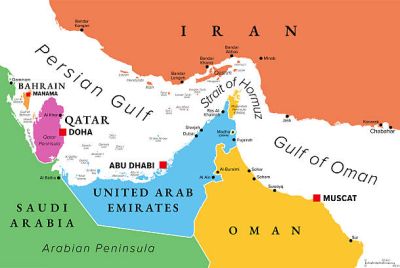
Oil is rising on Monday as a deal to reopen the Strait of Hormuz remains elusive, with President Donald Trump signaling continued economic pressure and Tehran renewed demands to reach any deal.
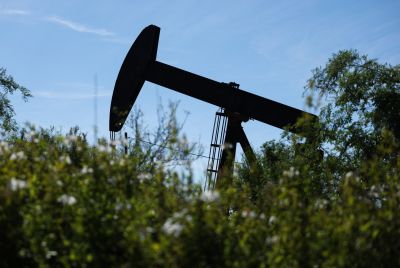
Brent crude, the international benchmark, climbed 1.5% and clocked in at $84.80 a barrel at 8:28 a.m. ET, while West Texas Intermediate, the U.S. benchmark, made similar gains and hovered below $80 a barrel at the same time.
Trump signaled a shift to economic, rather than military pressure on Iran. "We are low-keying it," Trump told Axios on Sunday. "We are only semi-negotiating with them. We are just watching Iran with its huge inflation and the fact they have no money."
The president went on to say that the country is in "very bad shape," claiming that the situation will "work out." "It always works out. It's like a chess game," he said.
Top U.S. officials had anticipated last week that a deal to reopen the key waterway was imminent. However, the announcement never came as Tehran rejected Washington was involved in talks and said it continued negotiating with Oman.
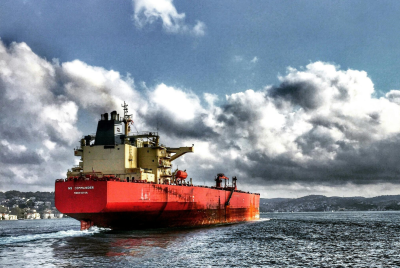
Over the weekend, Iran set out fresh conditions to reopen the waterway through which about a fifth of the world's energy passes. The Supreme National Security Council's secretary, Mohammad Bagher Zolghadr, said conditions include an end of U.S. aggressive behavior, "including any threats to the country's national and religious sanctities."
A permanent end to the "war and aggression against Iran and its allies in Lebanon, Palestine, Yemen and Iraq" is another demand.
Apart from lifting the Naval blockade enforced by the US, Iran has also sought a withdrawal of the US naval and air forces from Iran's neighborhood. A full compensation package "for damages caused by two wars of aggression and imposition," lifting of "unjust and illegal" sanctions and unconditional release of Iranian assets "that were blocked and stolen" completed the terms set by Iran.
Iranian Foreign Minister Abbas Araghchi said on Sunday there was "no possibility of restarting negotiations" as long as the U.S. violates the memorandum of understanding reached between the countries earlier this year. "Intermediaries are still making efforts to find ways to resume negotiations," the official said.
© Copyright IBTimes 2026. All rights reserved.
- Recommended For You