No Direct US-Iran Talks Now. Middle East Peace Missives Take Back Channel Route
Foreign Minister Abbas Araghchi has reiterated that IRGC's demands should be met by the US before the Strait of Hormuz could be reopened.


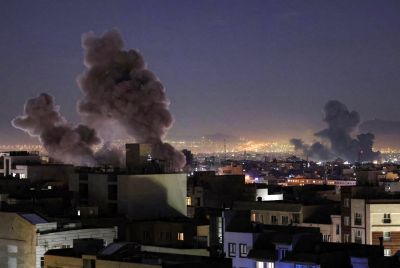
Iran said on Sunday no direct talks with the US is currently on as the Middle East deadlock continues.
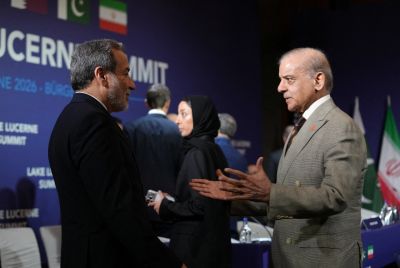
Foreign Minister Abbas Araghchi said Sunday Tehran is not engaging in talks with the US, but "messages are being exchanged through intermediaries," reports said.
Tehran's top diplomat also said even if Iran strikes a deal with Oman to secure a trade route through the contentious Strait of Hormuz, that wouldn't ensure peace.
Washington still must meet Tehran's conditions to reopen the Strait, he pointed out. Iran's elite Islamic Revolutionary Guard Corps (IRGC) has said a probable reopening of the Strait of Hormuz should not be linked to a deal with Oman.
Apart from lifting the Naval blockade enforced by the US, Iran has also sought a withdrawal of the US naval and air forces from its neighborhood and a full compensation package, among the six conditions a top IRGC aide spelt out on Saturday.
"Talks with Oman do not mean the Strait of Hormuz will be reopened. An agreement may be reached, but reopening the strait depends on other conditions conveyed through intermediaries," Araghchi said. His statement is seen as a reiteration of the IRGC's conditions to end the Middle East war, which started on February 28.
Iran and Oman have been negotiating how to manage the Strait of Hormuz, a crucial waterway through which about a fifth of the world's energy supplies were routed before the conflict erupted. Tehran is seeking to differentiate that negotiations and the talks to ensure the resumption of ceasefire in the Middle East.
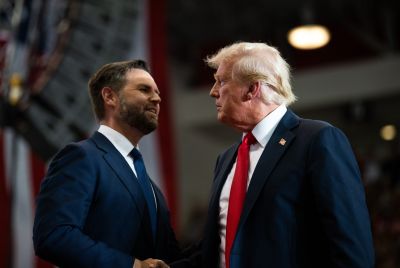
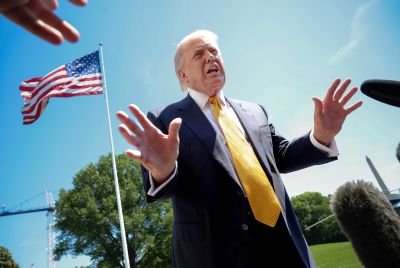
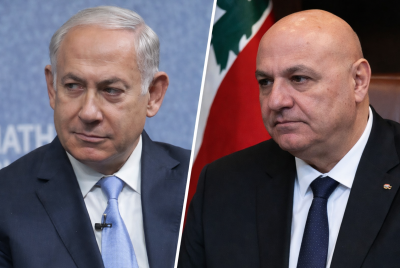
A permanent end to the "war and aggression against Iran and its allies in Lebanon, Palestine, Yemen and Iraq" is another key demand that the US would difficult to ensure. Israeli Prime Minister Benjamin Netanyahu has unequivocally stated that his country would not withdraw from Gaza, effectively snubbing a peace plan floated by Israel's trusted ally Donald Trump.
Though Netanyahu's stance is seen as more of a political messaging to shore up his voter base ahead of polls, this would mean that Israeli strikes cannot be ruled out in the near future, again complicating efforts to broker a peace deal.
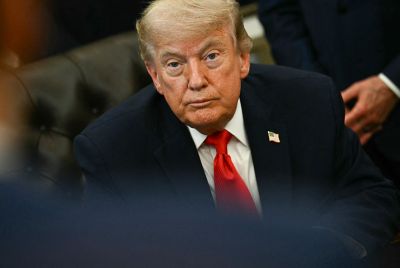
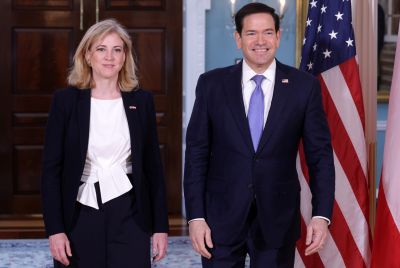
Washington has been optimistic about a deal early this month. US Treasury Secretary Scott Bessent told the CNBC a deal was imminent. President Donald Trump and Secretary of State Marco Rubio had also indicated about such a possibility.
The US is yet to respond to the demands, NBC reported.
© Copyright IBTimes 2026. All rights reserved.
- Recommended For You