

Why the Future of Luxury Living Belongs to Multigenerational Communities
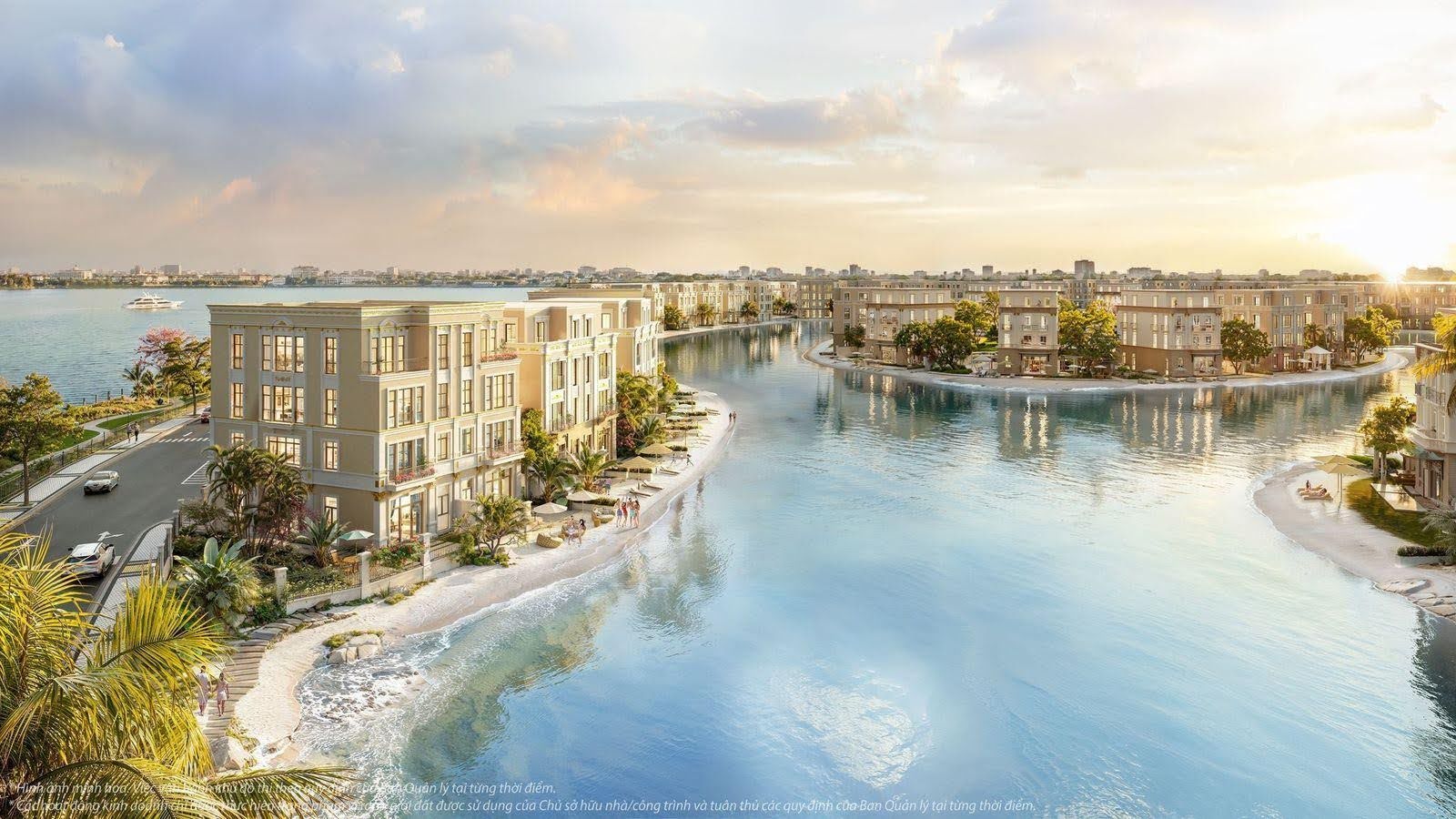
The definition of luxury housing is undergoing a profound shift. Around the world, affluent buyers are no longer seeking homes solely as expressions of wealth or personal comfort. Increasingly, they are searching for properties capable of supporting several generations under one roof while preserving wealth for decades to come.
According to Sotheby's International Realty's 2026 Luxury Outlook report, nearly one in five home purchases in the United States are now made by buyers intending to live with relatives beyond their immediate family, reflecting a growing preference for multigenerational living. Millennials and Generation X are leading the trend as they seek residences that accommodate both young children and aging parents.
The changing priorities are already reshaping residential design. Wealthy buyers are increasingly favoring detached guesthouses, independent suites and adjoining residences that offer privacy while maintaining family proximity.
In major markets including New York and Miami, developers are responding by designing homes that can flexibly evolve alongside changing family structures rather than serving a single stage of life.
As John Young, a global real estate adviser with California-based Golden Gate Sotheby's International Realty, observed: "They perhaps have small children, and they're in a position to give a better life to their parents, who got them where they are."
The emerging challenge, however, extends beyond creating larger homes. How can a residence truly satisfy the needs of multiple generations simultaneously? More importantly, how can it continue preserving value for generations yet to come?
Because for affluent families, a property is increasingly viewed as a long-term store of wealth, a family legacy and an enduring asset.
Vietnam is beginning to offer its own answer. One of Vietnam's leading real estate developers, Vinhomes, is pioneering an integrated urban model that redefines what multigenerational living can become. The model combines healthcare, education, retail, entertainment, hospitality, wellness, transportation infrastructure, investment opportunities and business ecosystems into a single master-planned environment.
Nowhere is this philosophy more visible than at Vinhomes Green Paradise, Vinhomes' 2,870-hectare ESG++ mega urban development in Can Gio, Ho Chi Minh City. Among its most distinctive components is Vin New Horizon, an internationally oriented senior-living ecosystem that reimagines what later life can look like.
Instead of separating elderly residents into isolated retirement communities, Vin New Horizon integrates senior living into the broader Vingroup ecosystem. Healthcare, wellness, hospitality, security, financial planning and community engagement are designed to function together, allowing older generations to remain active participants in family life while enjoying comprehensive care.
Yet the project's vision extends beyond social infrastructure. Vinhomes Green Paradise is being developed under Vietnam's pioneering ESG++ urban model, integrating environmental sustainability with long-term urban resilience.
The 2,870-hectare development is designed to operate on 100% renewable energy, incorporate advanced water recycling systems, support the protection of surrounding mangrove ecosystems and pursue internationally recognized BREEAM green building certification.
For many affluent families, these sustainability commitments may increasingly form part of the property's long-term investment proposition.
Climate resilience has become an important consideration in global luxury real estate as investors evaluate how environmental risks may affect asset values over time. Communities that actively preserve ecosystems, reduce emissions and strengthen long-term livability are increasingly viewed as offering greater resilience.
By restoring natural landscapes and creating a symbiotic relationship between people and nature, Vinhomes seeks not only to enhance quality of life today but also to safeguard the long-term value of green real estate for future generations.
When natural environments are restored, they can help improve air quality, protect biodiversity and create healthier public spaces, with the benefits extending well beyond environmental metrics. Residents themselves may gain opportunities to live longer, healthier and more fulfilling lives.
As multigenerational living becomes an enduring global trend, luxury real estate may ultimately be judged less by the size of its residences than by its ability to preserve both human prosperity and family legacy across generations.
In that context, the next benchmark for premium urban development may not simply be building exceptional homes, but creating communities capable of sustaining exceptional lives.
© Copyright IBTimes 2026. All rights reserved.