

Apple iPhone 5 Release Features: What A 4-Inch Screen Would Look Like, And Other Concept Designs [PICTURES]

Apple may build its next-generation iPhone, presumably called the iPhone 5, into a unibody case with a 4-inch screen. A unibody iPhone would be a first for Apple, which introduced the aluminum unibody design back in October 2008 when it decided to build its MacBook Pro laptops out of a single block of aluminum instead of polycarbonate, which occasionally suffered from random shutdowns and logicboard faults.
The news was released on Monday via a research note from Brian White, an analyst for Wall Street firm Topeka Capital Markets. White had recently returned from a trip to Asia and spent time with various companies in Apple's foreign supply chain.
In our view, this will be the most significant iPhone upgrade with a 4-inch screen and a new, sleek look that we believe will require a unibody case, White wrote. This new, sleek look will be the most important reason that consumers decide to upgrade to the iPhone 5, while we believe the addition of 4G will also attract buyers of the new device.
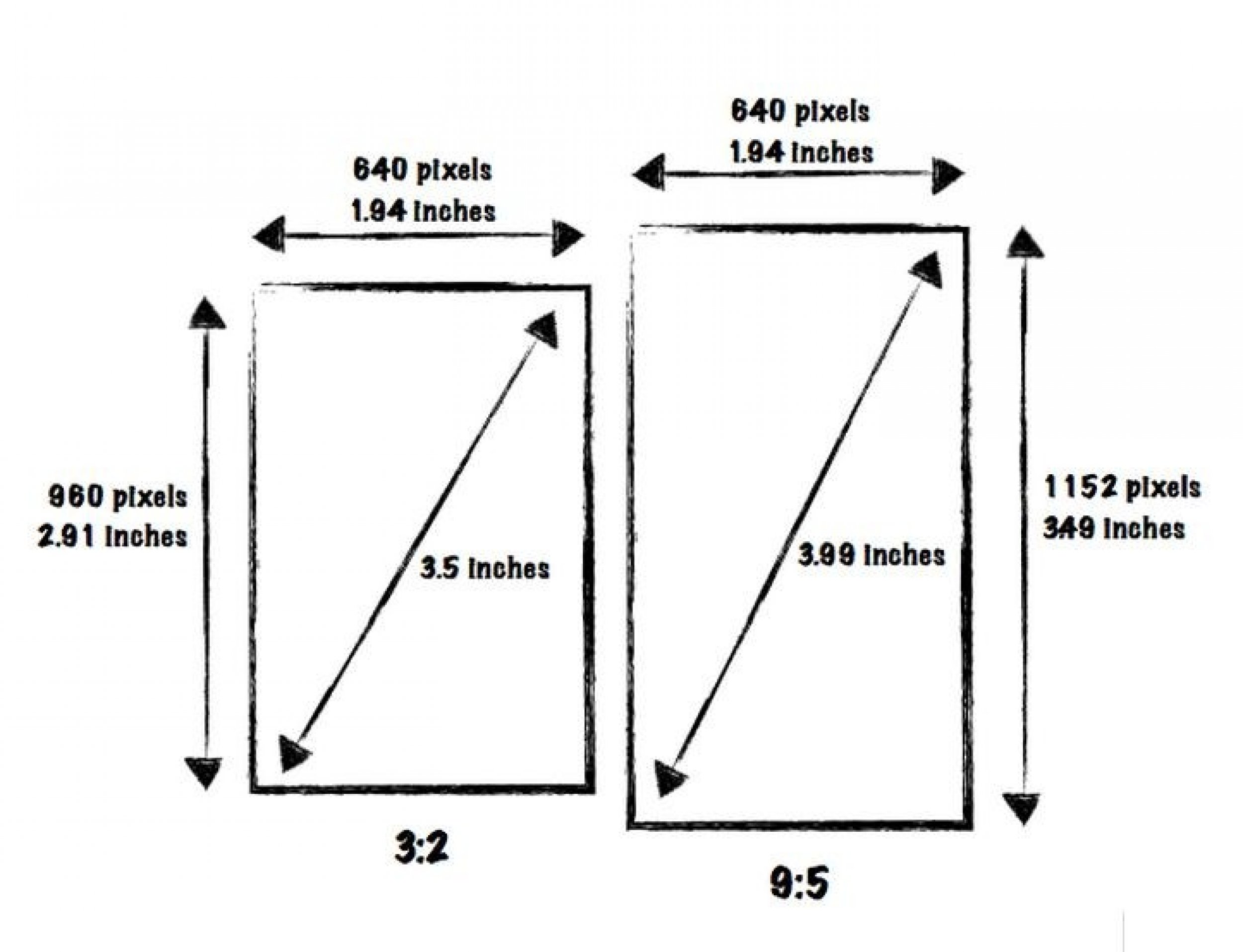
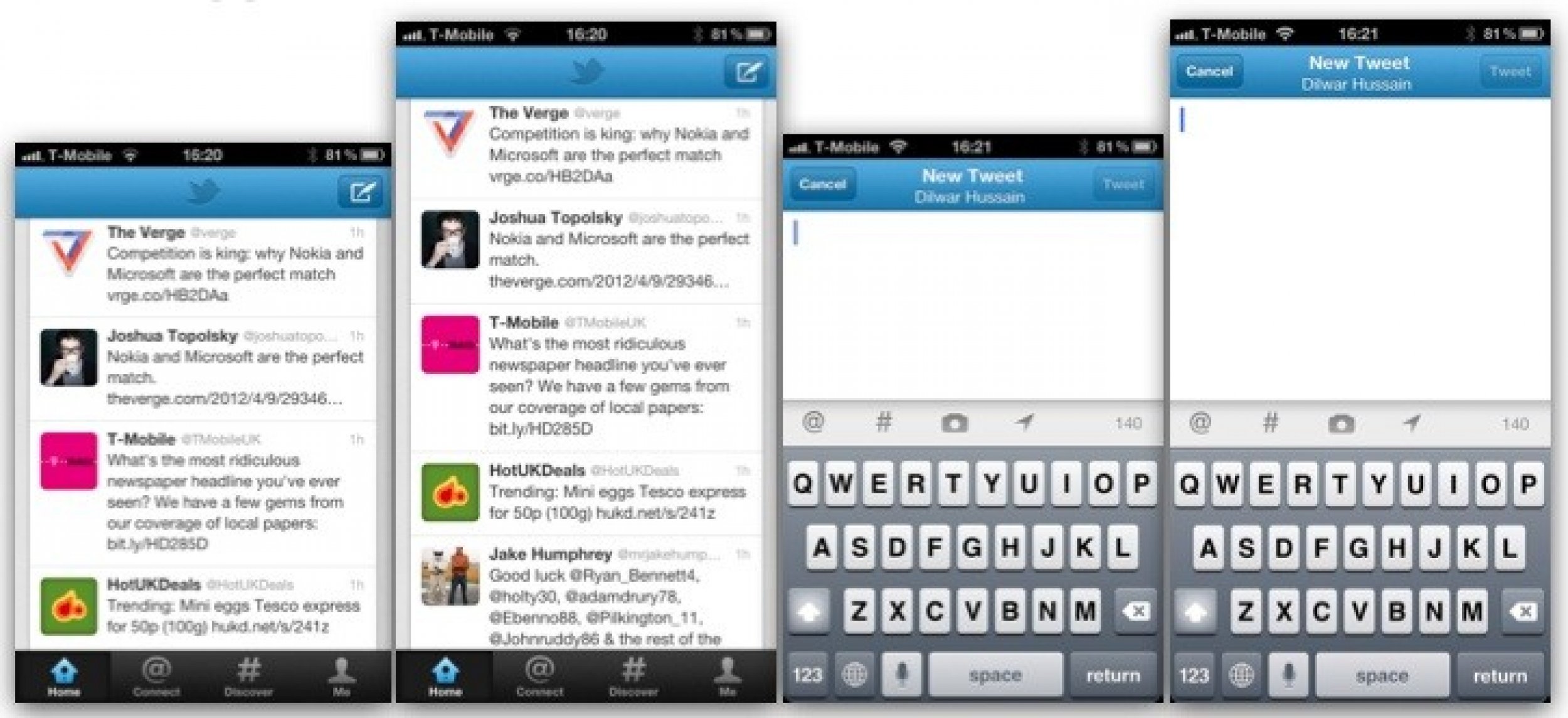
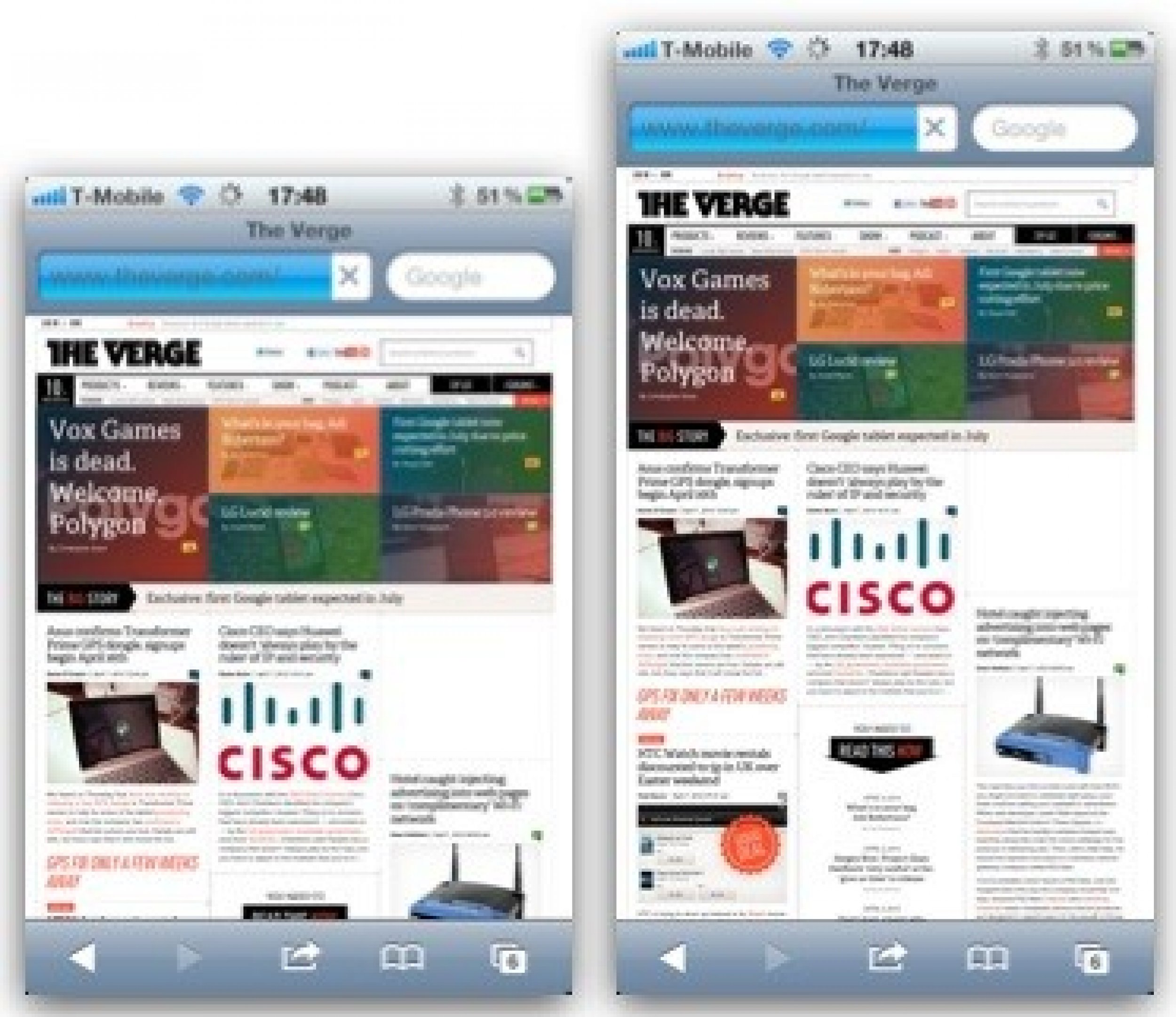
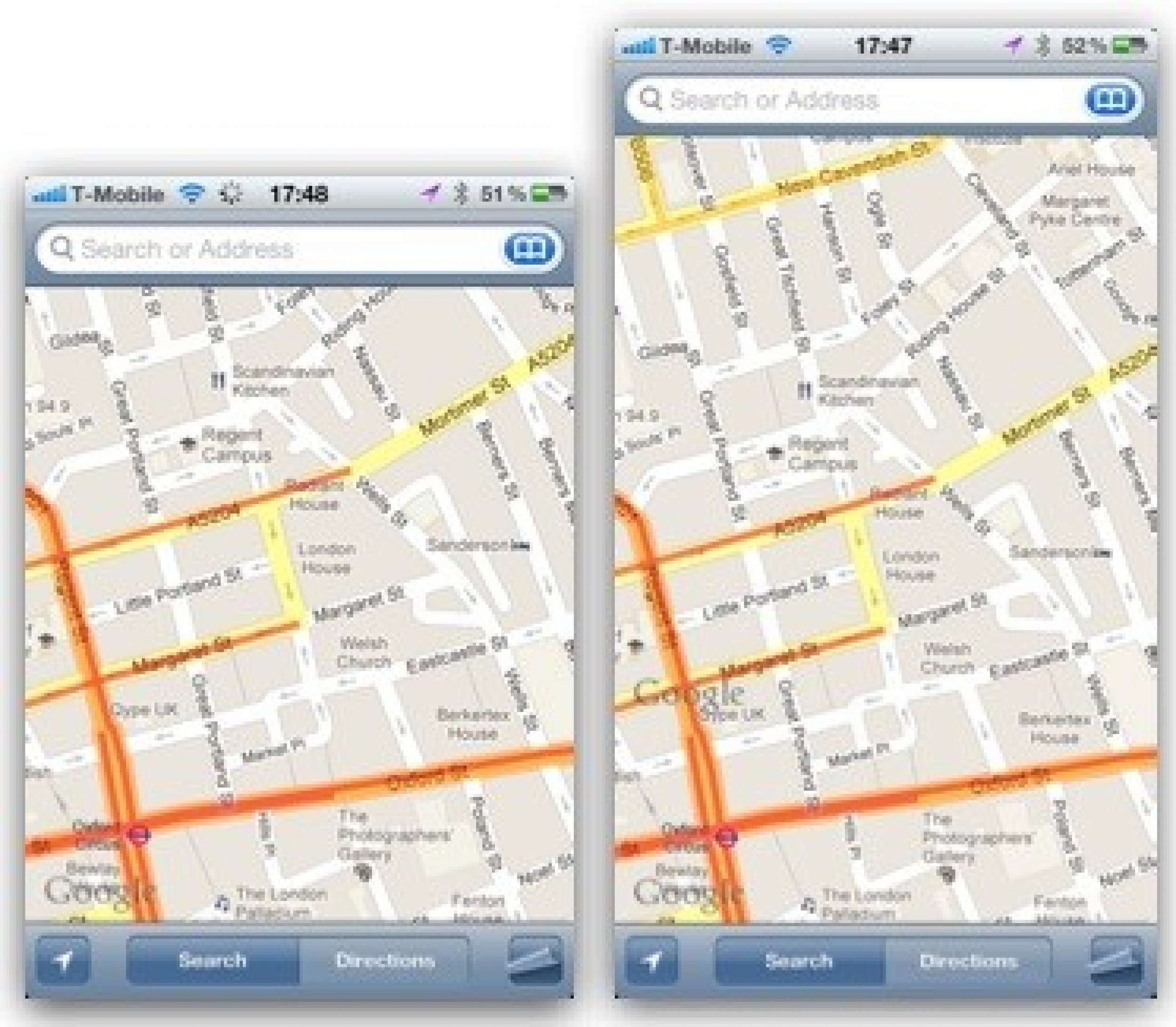
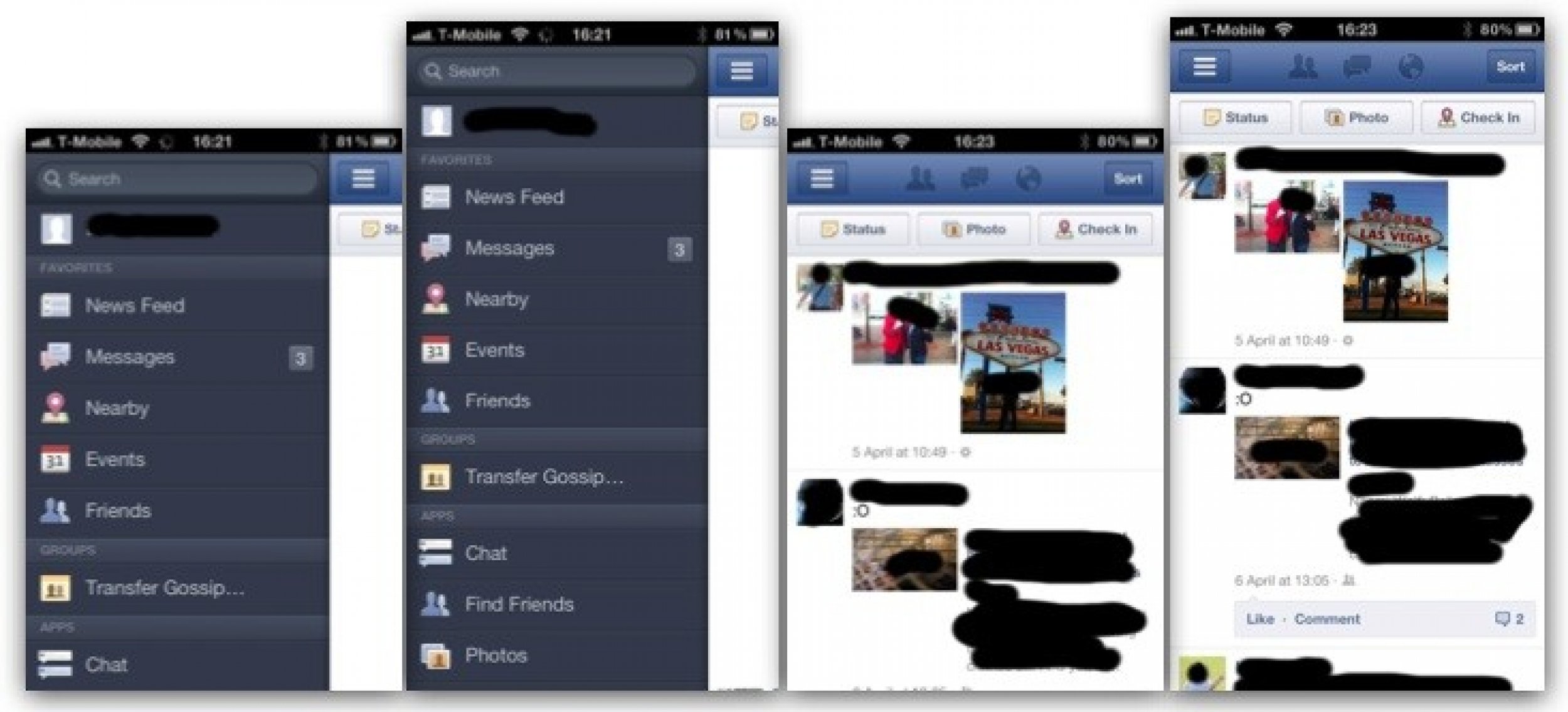
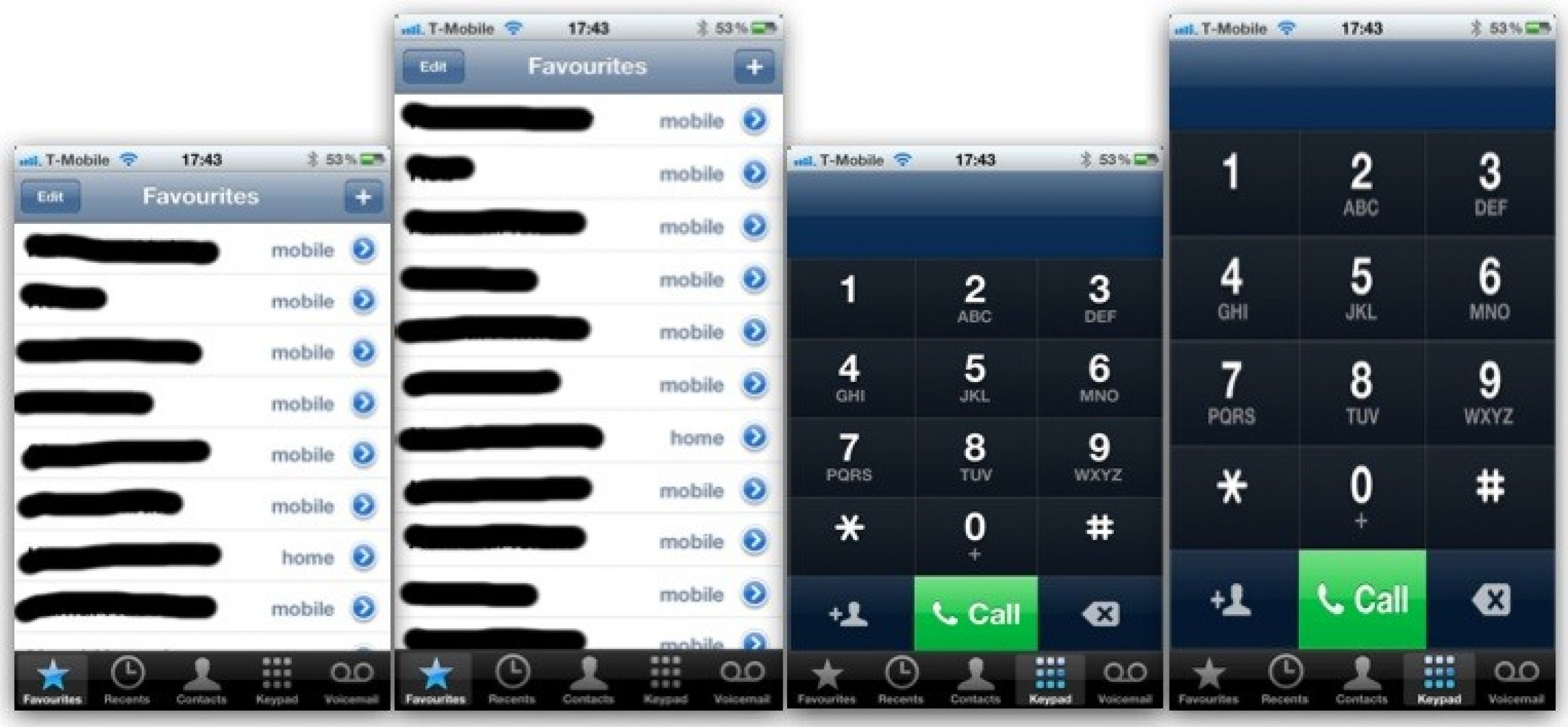
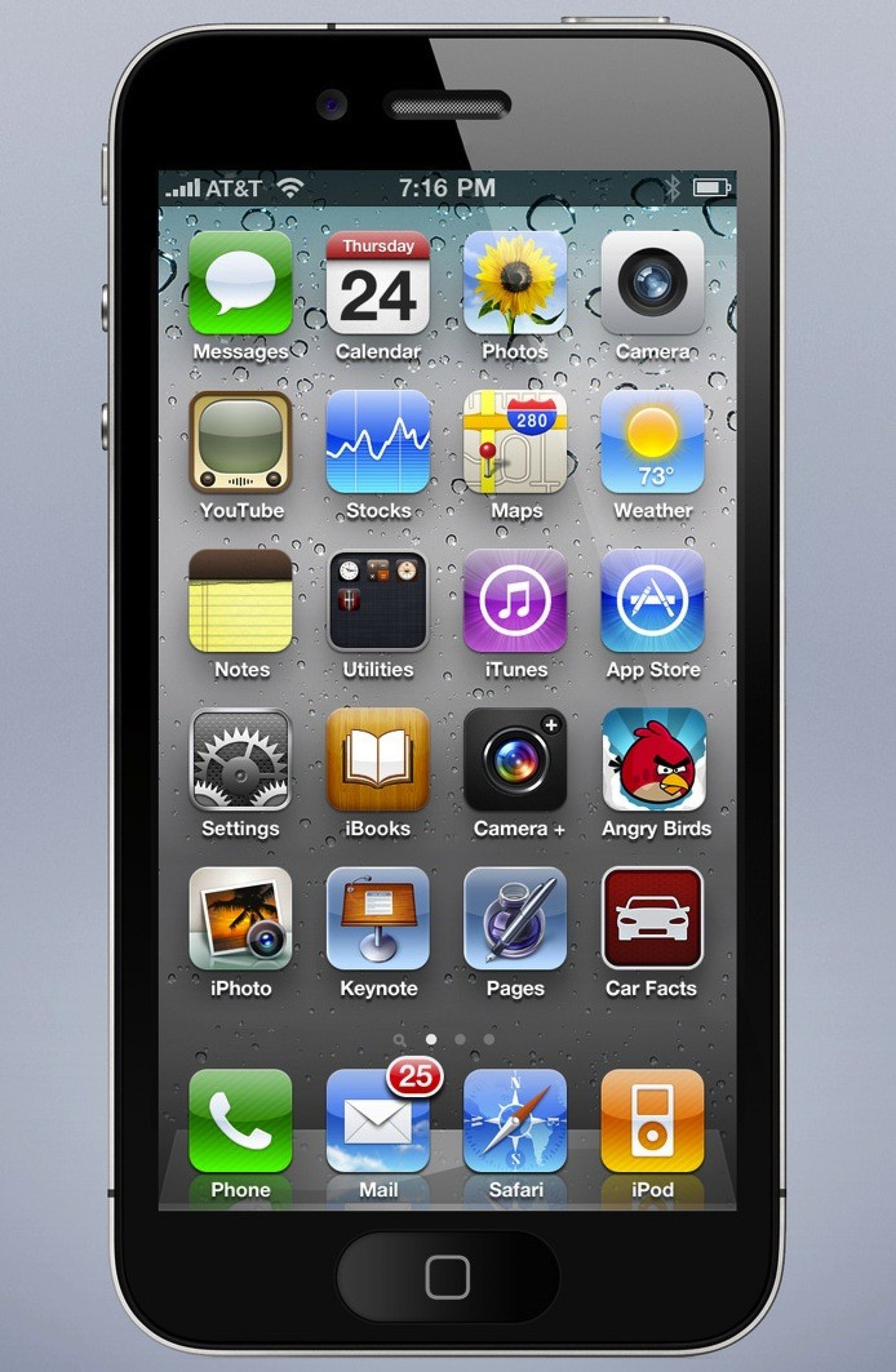
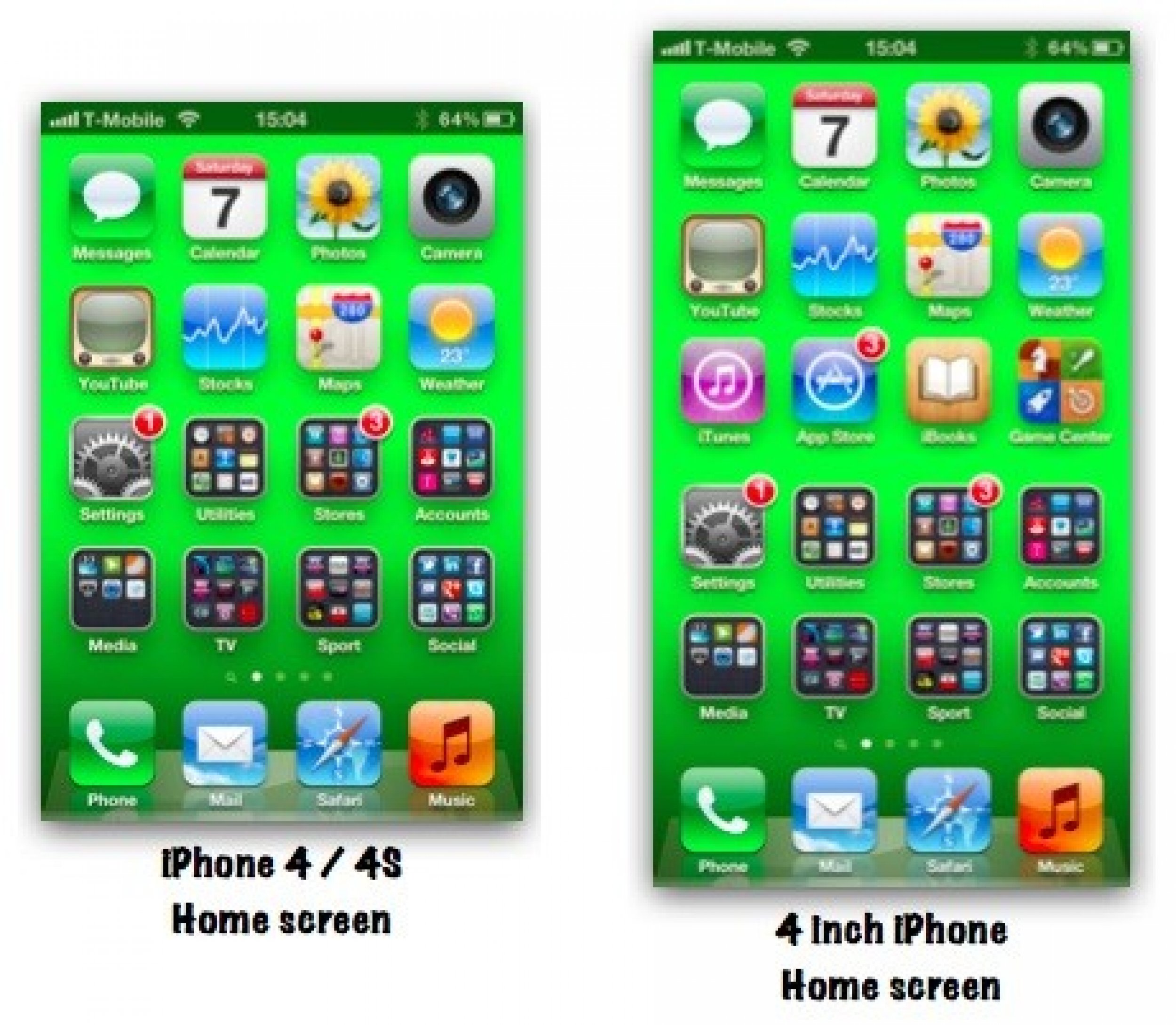
The pictures in the slideshow above, designed by a user named modilwar from The Verge's forum, depict what a 4-inch iPhone would look like. Take a look at the gallery and see what a bigger iPhone would look like, and check out the other iPhone 5 4-inch screen concepts as well.
While Wall Street analysts should not be confused with Apple workers, some of White's points do align with previous rumors. A report released on Monday said Apple is actively testing an iPhone 5 prototype within older cases, presumably to bring the new smartphone out in public without drawing attention. If this is the case, and the prototype can fit into an older case, there's a great chance that the size of the new iPhone will not exceed 4 inches.
In mid-March, the Maeli Business newspaper kicked off the rumors of a large-screen iPhone 5, stating Apple had ordered 4.6-inch screens to be featured in the company's next iPhone. But then, two days later, a report from iMore's editor-in-chief Rene Ritchie said the iPhone 5 would retain the current 3.5-inch screen -- the same size as all previous iPhones. The truth seems to fall somewhere in between the two rumors, but Ritchie deserves the benefit of the doubt.
Ritchie has a terrific record with Apple news. Last August, Ritchie correctly reported Apple's next iPhone would be unveiled in the first week of October and would be called iPhone 4S, while all other reporters at the time called the speculative device the iPhone 5. Ritchie also correctly pegged the new iPad's unveiling on March 7. If Ritchie says the iPhone 5's screen isn't bigger, it may not be, but Apple may have enhanced the visuals to work with a 3D camera, one of the company's recently granted patents.
Bigger Screen Vs. Better Screen
Apple is reportedly testing the iPhone 5 prototype with an A5X chip, which is the quad-core graphics processor used to power the Retina Display in the new iPad. But why would Apple need such a powerful chip for an iPhone? Given that the A5X chip is a graphics powerhouse, if Apple doesn't drastically change the physical size of the screen to 4.6 inches, it may be changing the display's overall quality.
On April 4, the Korea Times reported that Apple is interested in switching from LCD to OLED displays for its next round of iPhones and iPads. The reason behind the potential move would be Samsung, which recently launched its spinoff company called Samsung Display that aims to pivot away from LCD to focus more on OLED technology.
Thanks to the increased volume, chances have been raised to ship Samsung's OLEDs for Apple's iPads and even iPhones, said The Korea Times, citing unnamed Samsung executives who spoke on the condition of anonymity.
Apple is by far Samsung's biggest customer. The Cupertino, Calif.-based company bought $7.8 billion worth of components from Samsung in 2011, ranging from memory chips to LCD panels, but the company will reportedly buy $11 billion worth of parts this year, which could mean Apple is buying more expensive display material.
Apple has plenty of money to afford OLED screens in an iPhone-sized display. The company recently announced its most successful quarter in its 35-year history in January, and Apple is expected to announce another killer quarter on April 24. Some analysts even believe Apple will be the first company in history to achieve a $1 trillion market cap, even though that's somewhat unlikely.
There's an excellent chance Apple will return to Samsung to help build displays for the next-gen iPhone. Samsung knows how to build big, beautiful screens for any size device: Arguably the company's best offering, the Galaxy S II, features a 4.3-inch Super AMOLED Plus display. Just imagine what Samsung could do with Apple's Retina technology implemented into an OLED. Apple would effectively put distance between the iPhone and all other smartphone competitors for another five years, at the very least.
Other Likely Features
It's already a foregone conclusion that Apple will implement radio bands for 4G LTE in the iPhone 5, given that Apple introduced the high-speed network on its new iPad, released on March 16, which was likely done as a practice run.
LTE features significantly higher download and upload speeds compared to 3G technologies, but previous implementations of LTE in smartphones tended to ravage battery life, which was a major complaint from users. If Apple wanted LTE in the iPhone 4S at the time, it would have been forced to increase the phone's thickness to accommodate a larger circuit board and a bigger battery. Apple CEO Tim Cook, in a company earnings conference call in April 2011, said first-generation LTE chipsets force a lot of design compromises.
The iPhone 4 PCB [printed circuit board] is already incredibly small, not leaving any room for an extra chip to enable LTE without shrinking the size of the battery, said Anand Shimpi, a chip expert and CEO of Anandtech.
Fortunately, Qualcomm recently unveiled the fifth iteration of its new chip, which supports TD-SCDMA, TD-LTE, HSPA+, EV-DO, embedded GPS, and LTE on TDD and FDD networks worldwide. The chip works with Android and Windows 8 devices, but there's a great chance this will be the chip inside the iPhone 5.
Apple's next iPhone may also include a number of the company's recently granted patents. Apple won a major patent on March 6 for a piece of technology called the iWallet, which is a digital system that gives users complete control over their subsidiary financial accounts on their iPhones, and also leverages Near-Field Communication technology to complete credit card transactions directly on the phone as well. The iWallet has many different features, including giving users the ability to see their entire credit card profiles, view statements and messages from their banks, and even set parental controls for their children, should they also want to use their iPhones as digital wallets. Outside of the iPhone, users can keep track of their payments and statements within the iTunes billing system, which keeps credit card information and records safe and secure. There's a possibility that iWallet could also work with other Apple utilities, which could allow users to buy things like movie tickets directly within the apps, but only time will tell with that one.
The iPhone 5 might also be the first phone to feature a new piece of software for multi-player gaming. On March 15, the U.S. Patent and Trademark Office published a patent application from Apple that describes a system for multi-player gaming, which allows groups of people to play the same game together and even see it from different perspectives according to the devices' physical relation to one another. The system actually mimics that of the Find My Friends app, in which a user's device detects other nearby devices that it recognizes as friends, and invites them to all join a common application. The technology also determines the relative position of those devices, so some games -- like turn-based role-playing games or card games -- can be played in a specific order.
The best patent of them all, however, may be Apple's patent for crack-resistant glass, granted on Nov. 15. Basically, the crack-resistant glass solution utilizes the same alumino silicate glass used in the iPhone 4 and 4S, but by chemically treating it with potassium and sodium ions, the glass can then achieve greater compression thresholds on the surface and edges of the glass, making it less susceptible to cracks. The patent also involves a shock mount between the glass and the body of the device that will instantly inflate if the device senses it's falling, which is determined by the device's internal accelerometer. An actuator within the device sucks in the cover glass as it accelerates to the ground, protecting it from damage.
Release Date?
While it's unclear if this latest rumor can be trusted, previous reports also said Apple would release the iPhone 5 in June. In March, Reuters reported that Apple plans to unveil the next iPhone around the second quarter of 2012. While this report would mean a release in June or July, it did contradict an earlier report from Japanese blog Macotakara, which predicted, citing inside sources from the supply chain, that Apple would release the iPhone 5 in September or October, effectively abandoning mid-year iPhone launches for a 11-month upgrade cycle starting in the fall.
Macotakara's report of a fall release date is bolstered by our reliable friend Ritchie from iMore, who said on March 23 that the iPhone 5 will be released in October 2012.
Apple's last iPhone, the iPhone 4S, was the first Apple smartphone released outside the summer months; the original iPhone, as well as the iPhone 3G, 3GS and 4, were all released in either June or July. While there is no clear reason why the 4S was the only iPhone released in the fall, analysts believe the company attempted to implement LTE into the phone, and failed. Now, it would seem the company wants to wait a full year until releasing its next iPhone.
Moving the iPhone's annual release date to October makes sense, given the wild success of the iPhone 4S. Although the phone was largely unchanged from the iPhone 4, Apple added a couple of features like Siri and an 8-megapixel camera, and it became the most-popular and fastest-selling iPhone of all time. No one should be surprised, then, if Apple wants to repeat that formula, releasing its best smartphone yet around the holiday season.
While the report from Foxconn should be recognized, if any report about release dates is to be believed, it should be Ritchie's. Ritchie has valuable sources from within Apple, and his reports have always been highly reliable and accurate. Given that Apple just released its new iPad in March and it will reportedly release a new line of MacBooks in April or May, it would make for Apple to hold onto the new iPhone, let it continue to build hype for several months, and then release it in October, making it a great Christmas gift.









© Copyright IBTimes 2024. All rights reserved.
-

Panama Papers Law Firm Boss Ramon Fonseca Dead
-

Pandemic Agreement Talks Go To The Wire
-

Low-cost MRI Paired With AI Produces High-quality Results
-

School's Out: How Climate Change Threatens Education
-

Hong Kong Demands Online Platforms Remove Banned Protest Song
-

2023 'Year Of Record Climatic Hazards' In Latin America: UN
-

Crypto Community Buzzes As Grayscale Withdraws Ethereum Futures ETF Application
-

Mongolia's Wildlife At Risk From Overgrazing
-

Milking Venom From Australia's Deadly Marine Animals
-

TikTok Challenges Potential US Ban In Court


