Iran Tried To Bypass The U.S.’s Hormuz Blockade With Overland Trade. But Border Chaos Is Tangling The Plan.
Iranian truck drivers are increasingly stranded at border crossings with Pakistan, Turkey, Turkmenistan, and Afghanistan as Tehran struggles to move goods through alternative routes.


Iran's effort to bypass the U.S.'s blockade of the Strait of Hormuz by shifting trade routes over land is facing major obstacles, with congestion, bureaucratic delays and rising costs disrupting the country's remaining economic lifelines.
The Wall Street Journal detailed that Iranian truck drivers are increasingly stranded at border crossings with Pakistan, Turkey, Turkmenistan and Afghanistan as Tehran struggles to move goods through alternative routes. The delays are creating shortages, damaging exports and adding pressure to an economy already facing sanctions and inflation.
Iran had promised to respond to restrictions on maritime trade by relying more heavily on overland transportation networks. But the shift has exposed weaknesses in the country's logistics infrastructure, with thousands of trucks waiting days or even weeks to cross borders.
At the Pakistan border, hundreds of Iranian drivers say they have been trapped by growing paperwork requirements, higher costs and limited crossing capacity. Some shipments, including apricots, iron ore, cement and bottled gas, have reportedly been delayed long enough to spoil or become economically unviable.
"Neither Iran is taking responsibility for the situation, nor is Pakistan allowing us to unload our cargo," one truck driver said in a video shared by the Union of Truckers and Drivers Organizations Across Iran.
Saudi Arabia, on its end, has expanded efforts to transport more oil westward across the Arabian Peninsula, while some Gulf countries have received assistance from the U.S. Navy in moving energy shipments through the Strait of Hormuz. Iran, meanwhile, has faced additional pressure from sanctions and strikes targeting its shipping network.
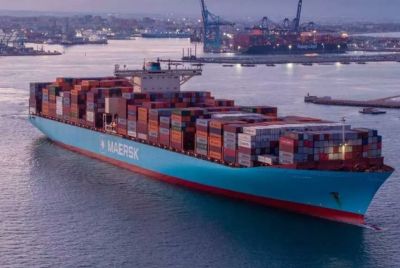
Around 70% of Iran's basic goods normally enter through ports affected by the restrictions. Although food and humanitarian products are officially exempt from sanctions, shipping companies have become increasingly reluctant to handle Iranian cargo because of financial and legal risks.
Iran has attempted to compensate by expanding alternative trade routes. Officials say transit through the Caspian Sea has increased by about 70% in recent months, while rail shipments between Tehran and China have reportedly increased from weekly departures to every three or four days.
"We are trying to turn this threat into an opportunity," Hadi Haghshenas, governor of Iran's Caspian province of Gilan, told state media cited by the Journal. However, those alternatives also remain vulnerable.
Iraq temporarily closed cargo terminals along its border with Iran after accusing Tehran of using Iraqi territory in attacks against Saudi Arabia. Iranian shipments, including agricultural exports, were affected by the disruption.
Even before the current crisis, Iran's land borders faced significant capacity problems. At the Pishin crossing with Pakistan, truck traffic reportedly increased from around 40 vehicles per day to as many as 130, overwhelming customs operations.
Iran's International Transport Companies Association chairman Ehsan Malekzadeh said thousands of trucks were waiting at border crossings, including approximately 3,700 vehicles delayed at the Turkish border.
At the main Pakistan crossing, hundreds of trucks carrying goods such as cement and bottled gas are reportedly waiting, while only a limited number are allowed through each day.
Higher transportation costs are increasingly being passed on through the supply chain, contributing to inflation. Shipping costs have also surged. Majidreza Hariri, president of the Iran-China Chamber of Commerce, estimated that transporting a container from China to Iran by land can cost around $12,000, compared with approximately $3,000 by sea.
© Copyright IBTimes 2026. All rights reserved.
- Recommended For You