The U.S.’s Continued Strikes Are Battering Iran’s Economy. Blackouts and Shortages Spread Across the Country.
Damaged infrastructure is slowing the movement of goods, increasing shipping costs and reducing l output.

The economic consequences of the U.S.'s expanded military campaign against Iran are becoming increasingly visible, with widespread power outages, water shortages and disruptions to transportation and trade pushing the country deeper into crisis.
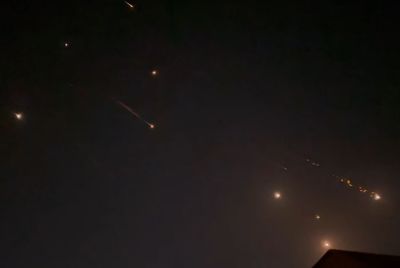
According to a report from The Washington Post, despite thousands of U.S. and Israeli airstrikes and a prolonged U.S. naval blockade, many Iranians experienced relatively limited day-to-day economic disruption for months.
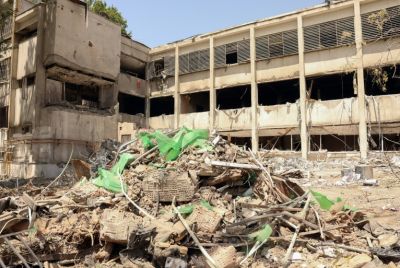
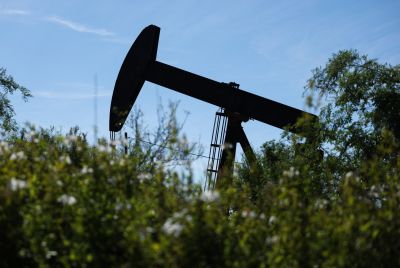
That has changed in recent weeks after the Trump administration widened its list of military targets beyond conventional defense sites to include infrastructure considered vital to the country's economy. The result has been growing shortages of electricity, fuel and water, along with mounting challenges for businesses that rely on functioning transportation and utility networks.
Analysts told The Washington Post that damaged infrastructure is slowing the movement of goods, increasing shipping costs and reducing factory and agricultural output, adding another layer of pressure to an economy already struggling under years of international sanctions.
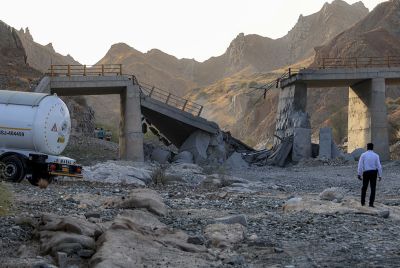
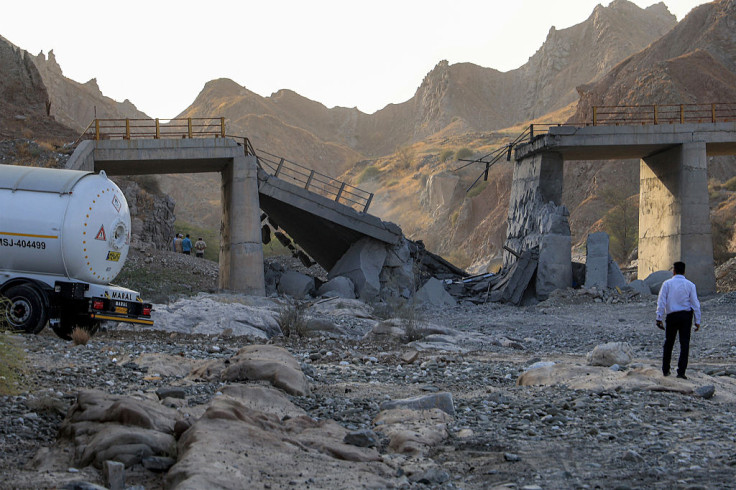
The latest escalation follows the collapse of the April ceasefire after renewed Iranian attacks on commercial shipping in the Strait of Hormuz. Since then, U.S. forces have resumed extensive operations inside Iran, initially targeting radar installations, missile launch sites and ammunition depots before expanding strikes to bridges, tunnels, communications networks and transportation infrastructure.
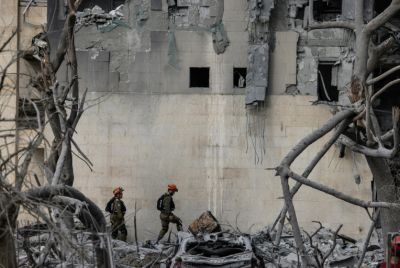
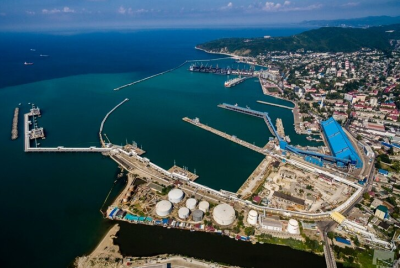
According to the Institute for the Study of War, the United States has struck at least six bridges and tunnels around the strategic port city of Bandar Abbas. Iranian state-affiliated media have also reported damage to communications lines, a rail station, a desalination plant and railway infrastructure elsewhere in southern Iran.
Iran's Health Ministry says the latest wave of attacks has killed at least 60 people and injured more than 600. Iranian officials have minimized the long-term impact, describing many of the disruptions as temporary interruptions to transportation and communications.
Iran's Minister of Health and Medical Education announced that 60 people were killed and around 670 others wounded in US attacks on areas in southern Iran over the past 10 to 12 days.
— Al Mayadeen English (@MayadeenEnglish) July 28, 2026
As of Wednesday, 53 people have been killed, and 592 others injured in US strikes carried out… pic.twitter.com/SsjahM0wBP
Dana Stroul, research director at the Washington Institute for Near East Policy and a former deputy assistant secretary of defense for the Middle East, told The Washington Post that the strikes reflect "an expansion in the scope of the targets."
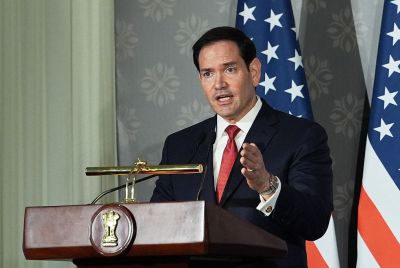
She described the attacks as a signal that Washington is willing to continue escalating pressure if negotiations fail. During an interview with Fox News this week, the president warned that the United States could destroy much more of Iran's infrastructure if Tehran refuses to reach an agreement.
"I could take out most of their bridges in less than an hour," Trump said, adding that Iranian power plants could also become targets. Those comments have renewed debate over whether attacks on civilian infrastructure could violate international humanitarian law.
The Trump administration has argued that some facilities qualify as legitimate military objectives because they are "dual use," serving both civilian and military purposes. Though analysts say it remains unclear whether every recently targeted site meets that legal threshold.
Iranian President Masoud Pezeshkian has described the nation's economy as "the most important battlefield" in the conflict, warning that worsening financial conditions could eventually erode public support for the government.
Still, experts say the growing hardship has not translated into greater willingness to negotiate. Sina Azodi, a lecturer at George Washington University, told The Washington Post that wartime conditions have strengthened the influence of military leaders over civilian officials, reducing the political space for compromise.
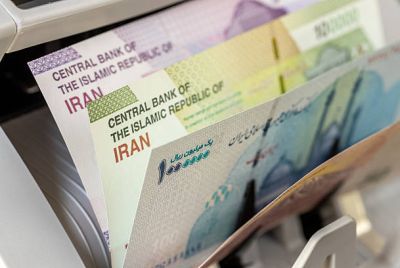
The International Monetary Fund projects Iran's economy will shrink by more than 5% this year, while inflation is approaching 70%. Iranian economist Hadi Kahalzadeh warned that a contraction of roughly 4% could eliminate millions of jobs and push millions more people below the poverty line.
© Copyright IBTimes 2026. All rights reserved.
- Recommended For You