

Iran Has Just Two Months of Gasoline Supplies Left As U.S. Pressure Intensifies: Report
Iran has spent decades developing networks to work around Western sanctions, but Washington is now targeting many of the financial channels, intermediaries and trading arrangements that allowed those systems to function.

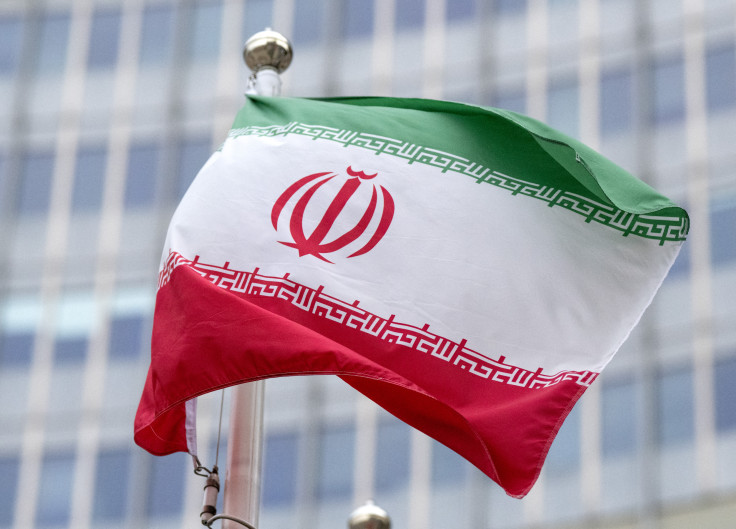
The U.S. campaign to economically isolate Iran is beginning to put Tehran under severe financial strain as a blockade chokes off oil revenue and expanded sanctions make it increasingly expensive for the country to obtain foreign currency, finance imports and circumvent restrictions.
Three senior Iranian sources told Reuters that the latest pressure is becoming increasingly difficult for the government to withstand. Iran has spent decades developing networks to work around Western sanctions, but Washington is now targeting many of the financial channels, intermediaries and trading arrangements that allowed those systems to function.
The economic campaign comes six months into a conflict that has failed to produce the concessions sought by either Washington or Tehran. Fighting intensified again this week, with U.S. strikes along Iran's Gulf coast followed by Iranian attacks against American bases in Arab countries.
At the center of Iran's economic problems is oil. Iranian crude loadings have plunged to roughly 260,000 barrels per day, compared with about 1.7 million barrels a day a year earlier, according to Kpler data cited by Reuters. A U.S. blockade imposed in July has effectively prevented Iran from exporting crude through its traditional routes, cutting deeply into the country's principal source of foreign currency.
That loss of revenue is arriving when Iran can least afford it. The rial has fallen from roughly 1 million to the U.S. dollar a year ago to more than 2.2 million, while official figures put average inflation over the previous 12 months at 69.9%. Prices for food, beverages and tobacco have risen at nearly twice that pace, according to Reuters.
One senior Iranian source also said the country has only about two months of gasoline supplies remaining. Despite being a major oil producer, Iran must import some gasoline because its domestic refining capacity cannot meet demand.
The labor market is deteriorating as well. Official unemployment climbed to 9.1% in the spring, while employment declined by approximately 450,000 people from a year earlier. Reuters reported that the average monthly salary is around $125, compared with basic household expenses estimated at approximately $450 a month.
"We are getting poorer every day," Mahnaz, a 34-year-old private-sector employee in Tehran who withheld her surname, told Reuters. Washington is simultaneously trying to close the financial escape routes Iran previously relied upon.
The Treasury Department launched what it calls "Operation Economic Outcast" on August 24, describing it as a campaign to target Iran's remaining financial networks and sources of revenue.
Days later, U.S. authorities moved against financial channels in the United Arab Emirates, including proposing restrictions on Banque Misr UAE's access to U.S. correspondent banking.
The impact extends beyond oil. Iranian President Masoud Pezeshkian has said overall trade has fallen between 25% and 35%, with imports declining more sharply than exports, according to Reuters.
Sanctions evasion itself is also becoming more expensive. Front companies, unregistered tankers, intermediaries and indirect payment systems generally require substantial premiums. With fewer dollars available, Tehran has less money to pay those additional costs.
Iranian officials are aware of the political danger created by deteriorating living conditions, particularly following nationwide protests earlier this year. Washington hopes economic pressure can help force Tehran toward negotiations, while Iranian officials believe higher energy costs and inflation could create political pressure on the U.S. government ahead of November's midterm elections, Reuters reported.
Yet the strategy carries significant risks. Iran has warned that greater economic pressure could be met with further military escalation. Ali Ansari, a professor of modern history at the University of St Andrews, told the outlet that Iran is facing "very, very severe economic pressure."
© Copyright IBTimes 2026. All rights reserved.