JPMorgan Analysts Said Oil Flows From The Middle East Remain ‘Surprisingly Strong.’ Prices Fell.
West Texas Intermediate, the U.S. benchmark, fell below $100 a barrel.

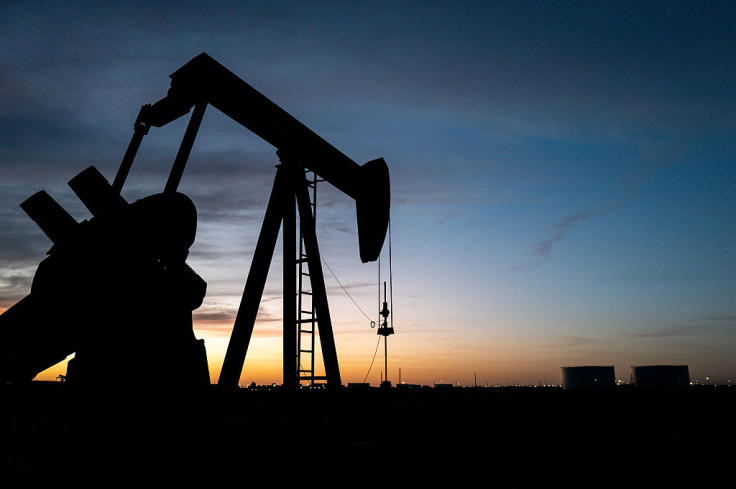
Oil prices are falling on Monday after JPMorgan analysts said flows from the Middle East remain "surprisingly strong." Oil flows averaged 17.1 million barrels per day over the past 10 days.
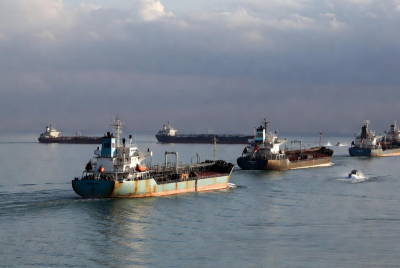
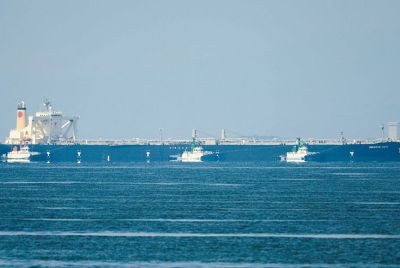
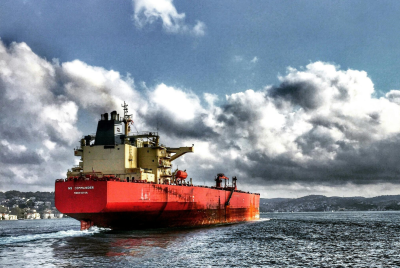
While the figure is 6.1 bpd below the 2025 average, tracking firms consistently note that traffic through the Strait of Hormuz has slowed down to a trickle, with barely any ships moving through. The U.S. has been escorting ships through the waterway while seeking to prevent them from being targeted by Iranian forces. At the same time, it is enforcing a blockade of Iranian ports.
Brent crude, the international benchmark, fell over 2.5% at 7:42 a.m. ET and clocked in at $101.20 a barrel, while West Texas Intermediate, the U.S. benchmark, fell 2.44% and stood at $97.85 per barrel at the same time.
However, despite the note by JPMorgan analysts, risks to oil flows and the broader security situation in the Middle East risk deteriorating further.
President Donald Trump told Fox News that he is in a "deciding mode" and "very big things" about the war will take place soon. "My question is, if and when do I blow the entire nation up? They better behave," Trump said.
The Iranian military said its intelligence shows the U.S. preparing a new, large-scale strike against the country and warned of "painful retaliation" across the region. Countries deemed to be backing the strike would be considered as involved in the conflict, forces added.
"If the U.S. makes any mistake against the Islamic Republic of Iran, all its positions and interests in the region will be targeted by sustained, effective and painful attacks," Iranian forces said.
Elsewhere, Saudi Aramco told European buyers last week it doesn't have crude shipments for next month after its exports got severely disrupted on different fronts.
Citing people familiar with the matter, Bloomberg detailed that deliveries from the term contracts signed between Riyadh and the customers won't take place next month.
Saudi Arabia did say last week that it expects to resume partial pumping from the East-West pipeline in a matter of days despite being hit earlier this month. The company is working to bypass a damaged region soon, and to return to full capacity in about six weeks. The pipeline transports about 4% of global oil supplies.
© Copyright IBTimes 2026. All rights reserved.
- Recommended For You