The Energy Industry Keeps Taking Hits. Analysts Are Bracing For Higher Costs For Longer.
Damage to Saudi Arabia's East-West pipeline, a key alternative route for transporting crude oil around the Strait, has raised concerns that fuel markets could face prolonged pressure.


The global energy market is facing a new shock as analysts warn that gasoline and diesel prices could rise sharply in the coming days following damage to critical Saudi oil infrastructure and continued disruptions linked to the U.S.-led war with Iran.
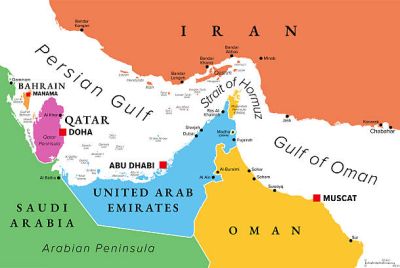
The impact of the conflict is moving beyond a shipping crisis in the Strait of Hormuz and into a broader threat to global oil supplies. Damage to Saudi Arabia's East-West pipeline, a key alternative route for transporting crude oil around the Strait, has raised concerns that fuel markets could face prolonged pressure, even as Riyadh looks to resume partial pumping within days.
The 745-mile pipeline connects Saudi Arabia's oil fields in the east with export facilities on the Red Sea, allowing the kingdom to bypass the Strait of Hormuz, one of the world's most important energy chokepoints.
Andrew Lipow, an energy consultant who advises companies on oil infrastructure repairs, told The Washington Post that the damage appeared extensive and could require months of work. "They will need to replace piping, valves, all the electrical stuff," Lipow said, adding that repairing a major oil pipeline is not a simple process involving easily available parts. Saudi Arabia says full capacity is expected to resume in six weeks.
Satellite images reviewed by the Post showed damage at multiple pumping stations along the pipeline. One station suffered attacks beginning Thursday, while imagery collected over the weekend showed substantial destruction.
Another pumping station approximately 130 miles away also appeared damaged. The disruption comes as oil markets were already dealing with reduced shipping activity through the Strait of Hormuz, where Iranian threats and military tensions have limited crude transportation. Energy analysts warned that the combination of reduced crude supplies and refinery pressures could soon translate into higher costs for American drivers.
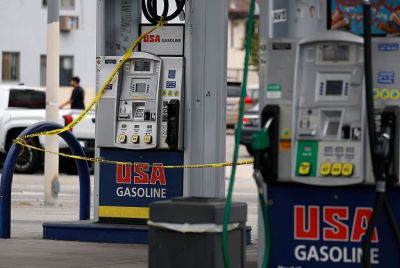
Diesel prices have reached new highs, averaging $6.31 nationally and $8.27 in California. Because diesel powers much of the trucking industry, higher costs can affect transportation expenses and eventually consumer prices.
Gas prices have climbed especially quickly across parts of the Midwest, where supply concerns were intensified by an outage at ExxonMobil's Joliet refinery near Chicago. The refinery typically produces millions of gallons of gasoline and diesel daily and plays a major role in regional fuel supplies.
Real-time tracking from GasBuddy showed gasoline prices rising by roughly 30 cents per gallon in some locations, including Lawrence County, Ohio, and Edwardsburg, Michigan. Diesel prices were also expected to climb in several Midwestern states.
The conflict's impact on energy markets has expanded as Iran and allied groups retaliate against U.S. military action and economic pressure. Attacks by Iran-backed militias and Houthi rebels have targeted energy infrastructure in the region, increasing concerns about the security of oil exports.
President Donald Trump has sought to reassure markets, saying recent developments would ultimately be resolved. However, analysts warn that continued attacks on energy facilities could create longer-lasting disruptions.
Bob McNally, founder of Rapidan Energy Group and a former White House energy adviser, said Iran could continue targeting energy infrastructure in an effort to increase oil prices and pressure Washington.
© Copyright IBTimes 2026. All rights reserved.
- Recommended For You