Putin Is Reportedly Considering Testing NATO’s Resolve. He Could Order a Limited Assault On An Allied Country
U.S. and European leaders have seen increasing signs of provocative behavior, including missiles that have fallen in Poland.


Russian President Vladimir Putin is considering a limited assault on a NATO country to test the alliance, according to a new report.
The assessment from U.S. intelligence officials claimed such a scenario could take place in the next few years, with another possibility being a cyberattack.
The Wall Street Journal detailed that previous assessments believed that Putin wouldn't make such a decision while still fighting in Ukraine, but the thinking changed earlier this year as the war continues and Kyiv manages to strike deep into Russian territory and inflict damage on its oil industry while keeping the front lines largely unchanged.
The goal of attacking a NATO country, the report added, would be fracturing the transatlantic alliance. Such an attack could take place between this fall and 2029. The likelihood of it happening is low but grows as time goes by and Putin does not manage to make strategic gains in the war.
Spokespeople for the Defense Department and NATO's Supreme Headquarters Allied Powers Europe did not comment on the report. Col. Martin O'Donnell, a NATO spokesman, said "we are always thinking through and preparing for any number of scenarios. NATO is watching and we are ready to deter and defend as necessary, which we continue to demonstrate."
Different reports have highlighted that U.S. forces are facing dwindling stockpiles of ammunition that could influence the outcome of potential future conflicts, including with Russia.
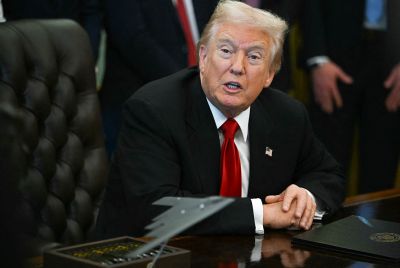
President Donald Trump privately confronted Defense Secretary Pete Hegseth during a Cabinet meeting at Camp David last week after learning that U.S. missile stockpiles had been depleted far more severely than he had believed, according to another report.
The Washington Post detailed that the tense exchange reportedly reflected growing frustration inside the White House over the costs and sustainability of the ongoing military campaign against the country.
The outlet detailed that Trump questioned Hegseth about why he had not been fully informed about critical shortages of long-range precision-guided missiles and air defense interceptors, telling the defense secretary he believed the problem "had been fixed."
Two people familiar with the conversation told the newspaper that the president's concerns centered on the impact the shortages could have on future military operations.
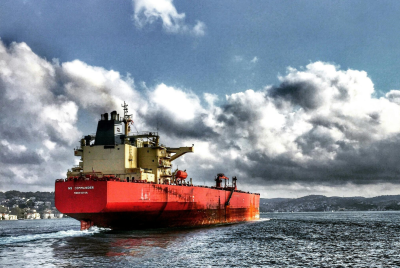
The reported shortages have become a key factor influencing military planning, with one source telling The Washington Post that they contributed to Trump's decision to cancel what he later described as "the biggest attack since World War II". At the same time, negotiations over the Strait of Hormuz continue.
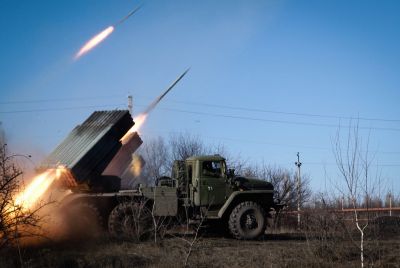
During the first month of the conflict alone, U.S. forces reportedly fired more than 850 Tomahawk cruise missiles, over 1,000 Patriot and Terminal High Altitude Area Defense interceptors, and more than 1,300 Army Tactical Missile Systems, or ATACMS.
One official told The Washington Post the ATACMS inventory has been depleted to the point that "there's basically none left," echoing reporting earlier this week by Reuters. The rapid depletion has extended beyond offensive operations.
© Copyright IBTimes 2026. All rights reserved.
- Recommended For You