Trump Says He Aims To Suspend Federal Gas Tax As Fuel Prices Hit Four-Year High
"I think it's a great idea," Trump said on Monday.


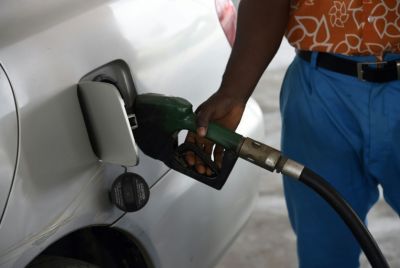
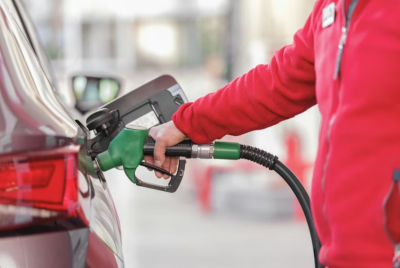
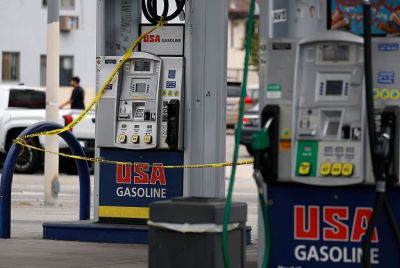
President Donald Trump said he is open to suspending the federal gasoline tax as drivers face the highest fuel prices in four years, driven by global oil disruptions tied to the war in Iran and instability around key shipping routes.
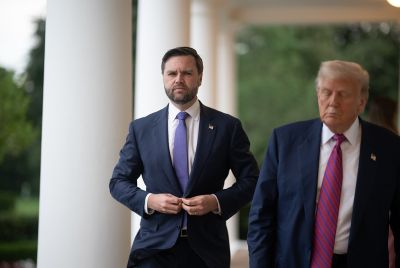
"Yup, we're going to take off the gas tax for a period of time, and when gas goes down, we'll let it phase back in," Trump told CBS News.
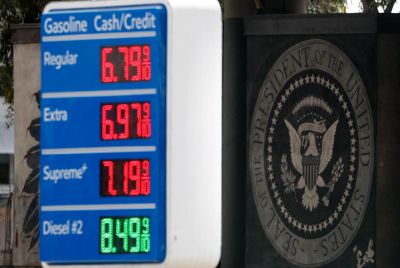
Energy Secretary Chris Wright had also said during an appearance on NBC's "Meet the Press" that the administration was weighing multiple approaches to lower fuel costs for consumers and businesses as prices continue rising nationwide. The national average for regular gasoline reached $4.52 per gallon Sunday, according to AAA, marking a significant jump from pre-conflict levels earlier this year Axios reported.
Wright said the administration is "open to all ideas" when asked about suspending the federal gas tax, while noting that "everything has tradeoffs" in responding to high fuel prices. The outlet reported his comments came as the White House revisits policy options to address rising costs.
The remarks represented a shift from last week, when a White House official said the idea of suspending the gas tax was "not currently under consideration."
The federal gasoline tax currently stands at 18.4 cents per gallon, with an additional 24.4-cent tax on diesel fuel. Revenue from these taxes supports the Highway Trust Fund, which finances roads, bridges and transit projects across the country. Bloomberg Law reported that any suspension would require congressional approval.
Fuel tax suspension proposals have surfaced periodically during past price spikes, but Congress has never enacted a nationwide pause.
The recent surge in fuel prices has been linked to instability in global oil markets, particularly disruptions around the Strait of Hormuz, a critical passage for global crude shipments. Barron's reported that administration officials have acknowledged the conflict's role in pushing up energy prices.
The White House has already taken steps aimed at easing pressure on fuel supplies, including tapping the Strategic Petroleum Reserve and temporarily waiving the Jones Act to support domestic fuel distribution, according to Fox News.
However, analysts have noted that even a full suspension of the federal gas tax would likely produce only modest relief at the pump. The Bipartisan Policy Center estimated reductions of roughly 10 to 16 cents per gallon, far below the more than $1.50 increase seen since the conflict escalated.
Several Democratic lawmakers have already proposed suspending the tax, including Sen. Mark Kelly of Arizona, who introduced legislation earlier this year calling for a temporary pause, according to Axios.
Wright also defended the administration's broader energy policy approach during Sunday television appearances, saying the U.S. is balancing short-term market disruptions with longer-term security concerns involving Iran and global energy stability.
© Copyright IBTimes 2026. All rights reserved.
- Recommended For You