Supreme Court Revives Trump Citizenship Data Tool: States Cleared to Use SAVE for Voter Checks
In an unsigned 6-3 emergency ruling, the court lifted a lower-court order that had blocked the Trump administration's expanded use of the Systematic Alien Verification for Entitlements program.

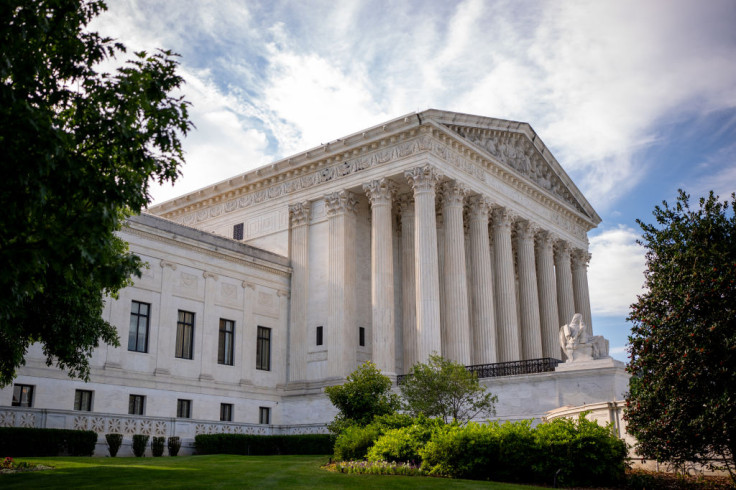
The Supreme Court on Friday cleared the way for states to use an expanded federal citizenship database to review voter rolls, handing President Donald Trump a significant victory in his administration's push to identify noncitizens who may be registered to vote ahead of the 2026 midterm elections.
In an unsigned 6-3 emergency ruling, the court lifted a lower-court order that had blocked the Trump administration's expanded use of the Systematic Alien Verification for Entitlements program, known as SAVE. The three liberal justices, Sonia Sotomayor, Elena Kagan, and Ketanji Brown Jackson, dissented.
SAVE has existed since 1986 and was originally designed to allow government agencies to verify immigration and citizenship information when determining eligibility for public benefits. The Trump administration dramatically expanded the system after the president signed an executive order in March 2025 directing the Department of Homeland Security to make it easier for state and local officials to verify the citizenship of registered voters.
The revamped system incorporated additional federal records, including Social Security data, and allowed election officials to submit voter information in bulk rather than checking individuals one at a time.
A federal district judge had blocked those changes after concluding that the administration likely violated federal privacy laws governing how government data can be repurposed. Friday's Supreme Court order temporarily removes that obstacle while litigation continues.
Under federal law, the majority wrote, "the federal government has an obligation to respond to requests from state and local election officials seeking to verify the citizenship of voters." The justices said the lower court's injunction prevented the government from using the program it considers best suited to perform that function.
But the ruling also included an important limitation as the majority emphasized the ability of election officials to conduct "individualized" citizenship checks and pointed to the National Voter Registration Act's prohibition on systematic voter removals during the 90 days before a federal election. The court did not decide whether that restriction applies to efforts specifically aimed at removing noncitizens, an issue expected to return before the justices in separate litigation.
Jackson, writing in dissent, argued that allowing the expanded system to operate risks wrongly affecting eligible voters. "The harm caused by burdening or disenfranchising even a few lawful voters outweighs the nonexistent harm that the government experiences when it is prevented from taking an action that it likely lacks the authority to take," Jackson wrote.
Critics, including voting-rights and privacy groups, contend that federal records can generate false matches and potentially identify U.S. citizens as noncitizens, particularly when large voter lists are processed through the system.
"...it puts millions of Americans at risk of being unlawfully targeted by the administration's unreliable voter purge database weeks before the midterm elections," the League of Women Voters, the lead plaintiff in the case, said in a statement.
The state of Utah conducted a citizenship review involving more than 2 million voter records. Its final report said 99.72% of registered voters were verifiably U.S. citizens and identified 27 confirmed noncitizens, all of whom were removed from the rolls.
Getting the SAVE Act through Congress has been a priority for the Trump administration for the midterm elections. Earlier this month, Trump told House Republicans that the passage of the law will guarantee the midterms. If you don't get it, big trouble."
© Copyright IBTimes 2026. All rights reserved.
- Recommended For You