The Upcoming Inflation Report Is a Big Deal for the Fed. Here’s What Economists Expect.
The Dow Jones consensus forecast calls for headline CPI to rise 0.1% from June.


A closely watched inflation report could help reshape the Federal Reserve's interest rate outlook, giving policymakers either more time to wait or fresh ammunition for officials pushing to resume rate hikes.
The Bureau of Labor Statistics will release the July consumer price index at 8:30 a.m. ET, with economists expecting another relatively subdued month for inflation, according to CNBC.
The Dow Jones consensus forecast calls for headline CPI to rise 0.1% from June, while core CPI, which excludes volatile food and energy prices, is expected to increase 0.2%. On a year-over-year basis, headline inflation is projected at 3.4%, while core inflation is expected to come in at 2.5%. Both would be 0.1 percentage point lower than their June readings.
Those figures would still leave inflation above the Federal Reserve's 2% target. But a second consecutive month of relatively mild price increases could strengthen the case for keeping interest rates unchanged while policymakers wait for a clearer picture of the economy.
"If we get a July CPI report anywhere near my forecast, the balance of the committee is going to look right through the supply shock, and the FOMC will remain on hold for the remainder of the year," RSM chief economist Joe Brusuelas told the outlet.
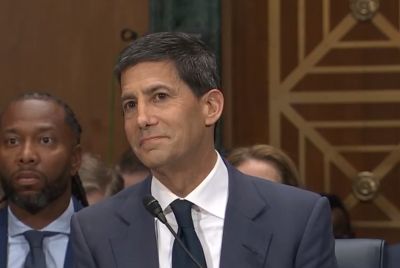
The report comes at a particularly sensitive moment for Fed Chairman Kevin Warsh, who took over the central bank in May and is already navigating divisions among policymakers over how aggressively to respond to persistent inflation.
At its July meeting, the Federal Open Market Committee voted 9-3 to keep its benchmark interest rate unchanged at 3.5% to 3.75%. All three dissenters wanted a quarter-point increase. Fed Governor Lisa Cook has also recently signaled that she would be prepared to support higher rates if inflation fails to improve.
Financial markets, however, have become less convinced that a September hike is inevitable. A series of less-threatening economic readings, combined with shifting expectations surrounding tensions in the Middle East, has pushed traders to roughly a 50-50 probability of a September increase, according to CME FedWatch data.
Markets currently see a greater possibility of a move later in the year. Fed officials also have time on their side. There is no August policy meeting, meaning policymakers will receive both July and August inflation data before making their next rate decision.
The uncertainty follows an encouraging June inflation report. Headline CPI fell 0.4% from the previous month, while core inflation was unchanged, helped by lower energy prices and moderating shelter costs.
At the same time, the labor market is showing signs of weakness. Nonfarm payrolls fell by 23,000 in July, although the unemployment rate declined to 4.1%. That combination complicates the Fed's decision. Raising rates could help suppress inflation, but additional tightening could also put more pressure on employment and economic growth.
Bank of America remains among those expecting the Fed to tighten policy. Its economists are forecasting three rate increases in the coming months and argue that inflation, rather than employment, is likely to determine the central bank's next move.
According to the bank, if the Fed's preferred inflation measure averages monthly increases of around 0.25% over the next two months, a September hike would become "all but guaranteed." An average below 0.2% could delay tightening, while readings between those levels would leave the September decision essentially a "coin flip."
A hotter-than-expected CPI report could also revive discussion of multiple increases rather than a single adjustment. Cleveland Fed President Beth Hammack, who has favored tighter policy, said Monday that one quarter-point increase alone would probably have little effect on the economy. "It's probably, you know, some number of movements, but I don't want to prejudge what that number is going to be," Hammack told Yahoo Finance.
© Copyright IBTimes 2026. All rights reserved.
- Recommended For You