Americans Owe $1.26 Trillion on Credit Cards. New Report Sees a Development In The ‘K-Shaped’ Economy.
New York Fed researchers found a widening divide in how American consumers are managing their finances.

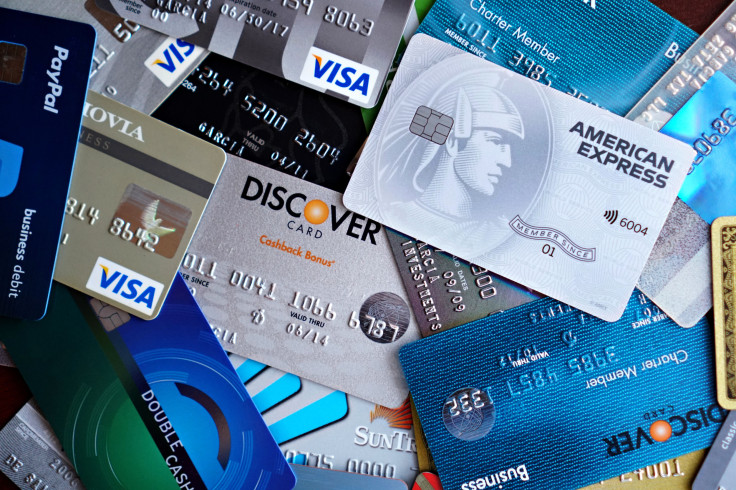
Credit card debt in the United States climbed to $1.26 trillion in the second quarter of 2026, bringing balances close to a record high as millions of households continue to rely on borrowing to manage stubbornly high living costs.
Credit card balances increased by $21 billion during the quarter, according to the Federal Reserve Bank of New York's latest Quarterly Report on Household Debt and Credit released Tuesday. The total is now approaching the record $1.28 trillion reached last year.
But behind the headline number, New York Fed researchers found a widening divide in how American consumers are managing their finances, describing the trend as another sign of the country's "K-shaped economy."
A K-shaped economy refers to a recovery or economic environment in which different groups experience sharply different financial outcomes. Higher-income households may continue accumulating wealth and spending comfortably, while lower-income consumers struggle with rising prices, debt and limited savings.
About 175 million Americans have credit cards, according to the New York Fed. While some cardholders pay their bills in full every month and avoid interest charges, roughly 60% carry revolving balances, making them more vulnerable to high borrowing costs and financial shocks.
One particularly striking figure in the report was the percentage of credit card balances classified as being in "late-stage delinquency," meaning they were more than 90 days past due. That figure jumped to 12.8% in the second quarter.
Measures of newly delinquent debt paint a less dramatic, though still concerning, picture. The share of credit card balances transitioning into delinquency over the past year stood at 6.97%. Researchers said new delinquencies have remained relatively steady but are still elevated and warrant continued monitoring.
Home equity lines of credit and home equity loans have also represented a growing portion of borrowing this year, allowing homeowners to tap accumulated equity to cover expenses or consolidate other debts.
Separate research from debt management company Achieve found that 55% of consumers carrying credit card balances use them to pay for essential expenses, highlighting how revolving debt can become a substitute for income when household budgets are stretched.
"Short-term debts often start off as a temporary stop-gap solution to household budget gaps," Achieve co-founder and co-CEO Brad Stroh said. But with elevated living costs and compounding interest, he warned, those balances can turn into sustained pressure on household finances.
The challenge is particularly significant because credit card debt can be difficult to eliminate once balances begin accumulating. In Achieve's June survey of 2,000 consumers, 56% of borrowers said they expected it would take at least six months to pay off all of their credit card debt.
© Copyright IBTimes 2026. All rights reserved.
- Recommended For You