Brent Oil Could Skyrocket Past $150 If Wars Continue. Bank of America Warns Supply Crunch Could Last Into 2027.
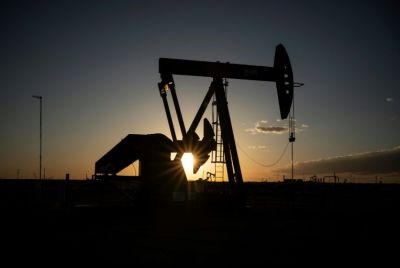
Bank of America raised its oil price outlook as constrained shipments through key Middle Eastern waterways, refinery outages, and reduced exports from Russia and other major producers tighten markets.


Bank of America is warning that Brent crude oil could surge above $150 a barrel if the conflict with Iran drags into next spring and disruptions to global energy supplies continue to drain already-thin inventories.
According to a note reported by CNBC, the Wall Street bank raised its oil price outlook as constrained shipments through key Middle Eastern waterways, refinery outages and reduced exports from Russia and other major producers tighten both crude and refined-product markets.
Bank of America now expects Brent, the international oil benchmark, to stand at $95 a barrel in the second half of 2026, up from its previous forecast of $83. The bank expects Brent to average around $80 a barrel in 2027 under its base case. But Francisco Blanch, Bank of America's commodity and derivatives strategist, warned that the risks around that forecast are becoming increasingly skewed toward much higher prices.
If disruptions persist into spring 2027 or additional oil infrastructure is damaged, front-month Brent prices could spike above $150 a barrel as the market attempts to destroy demand and rebalance supplies.
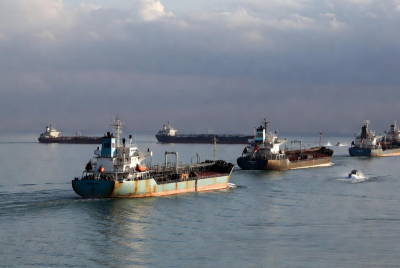
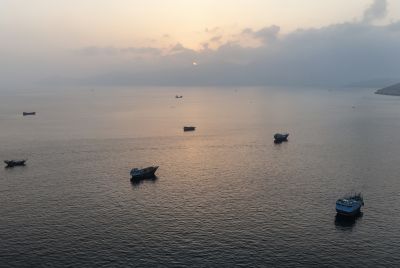
The warning comes as the global energy system absorbs disruptions on several fronts. The U.S.-Iran conflict has constrained tanker traffic through the Strait of Hormuz, one of the world's most important energy corridors, while instability around the Bab-el-Mandeb has complicated another major shipping route. Russian exports have also faced pressure, while refinery outages and tight Chinese product exports have further restricted supplies.
Bank of America estimates disruptions through Hormuz peaked at roughly 14 million barrels per day, with the shortfall more recently averaging between 4 million and 8 million barrels per day compared with prewar levels.
However, Saudi Arabia restarted operations at its East-West Pipeline, while increased shipments through Hormuz and renewed diplomatic signals have periodically eased fears of an immediate supply crunch. Still, Brent remained near $100 a barrel Tuesday as traders assessed how long the conflict and shipping disruptions could continue.
The bigger concern for Bank of America is the depletion of the world's oil cushion. Blanch estimates that at least 350 million barrels have disappeared from global above-ground inventories since stocks peaked in March, leaving inventories roughly 200 million barrels below previous seasonal lows.
"Continued inventory draws support an average Brent price of around $80/bbl in 2027, but the most important change is an expanding tail risk: strategic and commercial inventories are becoming progressively thinner while physical crude markets are already signaling acute near-term scarcity through extreme backwardation," Blanch said.
Backwardation occurs when near-term oil contracts trade above contracts for later delivery, typically signaling strong immediate demand or tight available supplies. Strategic reserves held by members of the Organization for Economic Cooperation and Development have also declined substantially, according to Bank of America, while physical crude barrels are commanding significant premiums over benchmark futures.
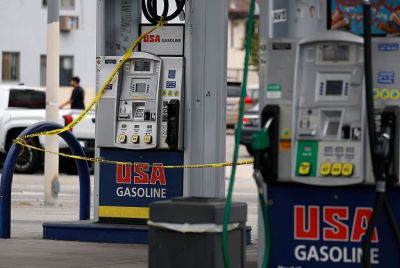
The pressure is particularly visible in refined fuels. An estimated 7% to 8% of global refining capacity is currently offline, helping drive up prices for products such as diesel even when crude prices retreat.
U.S. refiners and fuel exporters have helped compensate for some of the lost supply, but Blanch said unusually low product inventories and high refining margins show there is little spare capacity remaining in the system.
"Although US refiners and fuel exporters have partly filled the gap, ultra-low product stocks and elevated refining margins indicate that the system has very limited spare capacity," Blanch said.
© Copyright IBTimes 2026. All rights reserved.
- Recommended For You