America’s Shoplifting Problem Is Growing. Inflation May Be A Big Reason Why
Ninety percent of respondents cited inflation and broader economic conditions as contributing factors in their decision to shoplift.

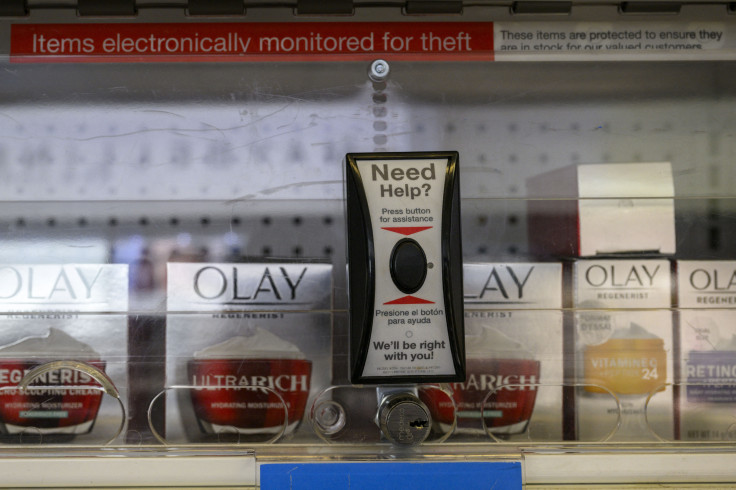
More Americans say they have shoplifted as persistent inflation and rising living costs continue to strain household finances, according to a new survey that suggests economic pressure is influencing consumer behavior across income levels.
A survey from LendingTree found that 30% of Americans admit they have shoplifted at least once, a sharp increase from 23% who said the same its 2024. The findings point to growing financial stress as consumers grapple with the high cost of groceries, housing, and other everyday necessities.
Among respondents who said they had shoplifted within the past year, 90% cited inflation and broader economic conditions as contributing factors in their decision. "These findings are concerning because they suggest many people aren't shoplifting for thrills or resale, but because they feel squeezed by basic affordability challenges," Matt Schulz, LendingTree's chief consumer finance analyst, said in the report.
"That doesn't excuse shoplifting, but it does highlight how financially vulnerable many consumers are. When people are risking arrest or fines to obtain food, hygiene products or other essentials, it suggests inflation and stagnant cash flow may push some households toward desperate choices," he added.
Younger Americans were the most likely to report stealing from stores. Thirty-nine percent of Generation Z respondents and 38% of millennials said they had shoplifted, compared with 24% of Generation X and 18% of baby boomers.
Men were also more likely than women to report having shoplifted, with 36% of male respondents acknowledging the behavior compared to 23% of women. The survey found shoplifting has become more recent as well.
Among those who admitted to stealing, 37% said they had done so within the past year, up from 23% in last year's survey. Twelve percent described themselves as regular shoplifters, while 60% said they had stolen after the age of 16.
Despite the legal risks, more than half of respondents who admitted to shoplifting said they had never been caught. Among those who were caught, 38% received only a warning, while 27% reported being arrested. Others said they were fined, banned from stores or faced no consequences.
Schulz warned that retail theft can have lasting financial repercussions beyond any immediate gain. "Shoplifting may feel like a way to solve an immediate cash-flow problem, but getting caught can create a much bigger one," he said. "It can lead to short-term financial costs, including fines and legal fees, as well as longer-term consequences, such as making it harder to get a job or rent an apartment."
The survey also found that inflation is shaping public perception of retail theft. Four out of five Americans believe rising prices have made people more likely to shoplift, while 62% said large corporations can absorb losses caused by retail theft.
Food and nonalcoholic beverages were the most commonly reported stolen items, with 30% of respondents who admitted to shoplifting saying they had taken groceries. Clothing, accessories and jewelry ranked second at 25%, followed by personal hygiene products at 20%.
Parents reported stealing items related to raising children, including toys, electronics and school supplies. Among Gen Z respondents who admitted to shoplifting, clothing and accessories were more frequently stolen than food.
Grocery stores topped the list of locations targeted, with 39% of respondents saying they had shoplifted from one. Dollar stores followed at 28%, while department stores accounted for 25%.
Self-checkout retailers and convenience stores each drew 21%. When asked which retailers they believed were easiest to steal from, respondents most frequently identified Walmart, followed by Family Dollar, Amazon Fresh, Kroger and Costco.
The survey found that shoplifting is not limited to lower-income households. Forty percent of respondents with annual household incomes of at least $100,000 reported having shoplifted, compared with 27% of those earning less than $30,000 and 29% of those earning between $30,000 and $49,999.
Beyond intentional theft, 37% of Americans said they had accidentally left a store without paying for an item. Of those, 58% said they returned to either pay for or return the merchandise, while one-third of consumers admitted they had remained silent after noticing a cashier failed to scan an item during checkout.
The findings come as broader indicators continue to highlight financial strain across the United States. LendingTree noted that more than one-third of U.S. households face financial insecurity, while a recent Gallup poll found that 31% of Americans identified the high cost of living as their biggest financial concern.
© Copyright IBTimes 2026. All rights reserved.
- Recommended For You