Oil and Treasury Yields Are Suddenly Moving Together. Why That Could Spell Trouble for Stocks.
The one-month rolling correlation between front-month West Texas Intermediate crude oil and the benchmark 10-year Treasury yield has climbed to 0.96.


Oil prices and Treasury yields are moving almost perfectly in tandem, creating an increasingly dangerous combination for stocks, bonds, businesses and consumers already contending with renewed inflation pressures.
The one-month rolling correlation between front-month West Texas Intermediate crude oil and the benchmark 10-year Treasury yield has climbed to 0.96, according to BMO Capital Markets data cited by CNBC. That is the strongest positive relationship between the two since June 2019 and, before that, October 2014.
A correlation of 1 would represent a perfect positive relationship, meaning the two assets move in the same direction. The current figure matters because surging crude prices can now transmit more directly through the financial system.
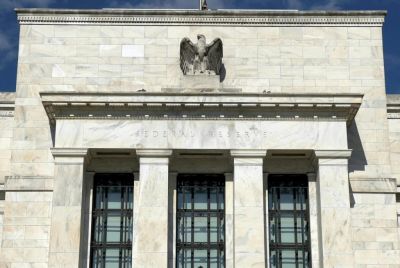
Higher oil prices can increase inflation expectations, push Treasury yields higher, and raise borrowing costs across the economy, potentially making it harder for the Federal Reserve to loosen monetary policy.
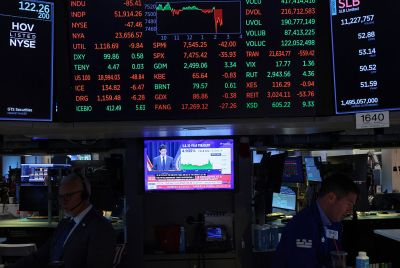
Oil prices have surged amid the conflict in the Middle East, while the 10-year Treasury yield has climbed to its highest level since 2007 as the selloff of U.S. government debt continues.
If crude continues rising, investors could face a feedback loop involving energy prices, inflation expectations, bond yields and interest rates. "Higher crude can lift inflation expectations, delay Fed easing and raise the discount rate applied across equities and credit at the same time," Leung said.
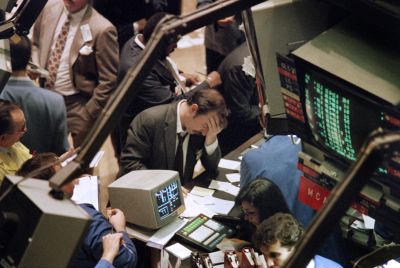
For stocks, the combination is particularly challenging. Higher Treasury yields make bonds relatively more attractive while simultaneously increasing financing costs for companies. Expensive oil can also squeeze profit margins for businesses heavily dependent on transportation, manufacturing and energy.
Technology and other growth stocks may be especially vulnerable because much of their valuations are based on profits expected years into the future. Those future earnings become less valuable when investors apply higher interest rates to them.
Ed Yardeni, president of Yardeni Research, warned that persistently rising oil could ultimately affect Federal Reserve policy. "It's certainly bad news that if oil prices continue to move higher, that would indicate that bond yields are moving higher," Yardeni told CNBC, adding that rising inflation expectations could increase the likelihood of a new Fed tightening cycle.
Instead of a single increase, Yardeni said there could potentially be "two or three rate hikes up ahead," a prospect that could further unsettle equities. Komal Sri-Kumar, president of Sri-Kumar Global Strategies, is already positioning for an environment of persistently higher rates.
He favors short-duration fixed income and defensive equities, along with physical assets including real estate, copper and gold."You're going to have a bond bear market, the yields headed up, and I don't see anything that stops the upward march of oil and natural gas prices either," Sri-Kumar told CNBC.
Consumers could also feel the pressure from both directions. Rising crude prices feed directly into gasoline prices and indirectly into the cost of goods transported by trucks and railroads.
At the same time, higher Treasury yields can push up mortgage rates, auto financing, and other consumer borrowing costs.
Businesses face similar pressures because higher interest rates increase the cost of financing inventories, construction and investment.
Still, the unusually strong relationship between oil and Treasury yields is not guaranteed to last. The 0.96 correlation could unwind quickly if geopolitical tensions ease or concerns about economic growth begin dominating markets.
© Copyright IBTimes 2026. All rights reserved.
- Recommended For You