Lawmakers From Meta’s Biggest Market Want Zuckerberg To Apologize After Restricting a Post From Its PM
The dispute has intensified scrutiny of the social media giant in one of its largest global markets.


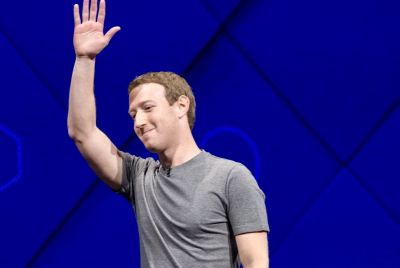
Meta Platforms is facing one of its biggest regulatory challenges in India after a parliamentary committee threatened to recommend stripping the company of its safe harbor protections unless Chief Executive Mark Zuckerberg apologizes over the temporary restriction of a Facebook post by Prime Minister Narendra Modi. The dispute has intensified scrutiny of the social media giant in one of its largest global markets.
The incident in question took place in July when Facebook briefly restricted a video posted by Modi addressing students during nationwide youth-led protests over examination paper leaks, Reuters noted. Meta later said the restriction was caused by an operational error and restored the post, but the episode has since become the latest flashpoint in the company's increasingly tense relationship with Indian authorities.
Nishikant Dubey, chairman of Parliament's Standing Committee on Communications and Information Technology, said Zuckerberg should issue an unconditional apology within three days, warning that the panel would recommend ending Meta's safe harbor protections if he failed to do so. The protection shields online intermediaries from liability for most user-generated content, provided they comply with India's legal obligations, Times of India reported.
Meta has already sought to ease tensions.
Chief Global Affairs Officer Joel Kaplan said he met with Information Technology Minister Ashwini Vaishnaw and apologized "on behalf of Meta for the error restricting PM Modi's post." The company has maintained that the restriction resulted from an operational mistake rather than an intentional moderation decision.
Separately, Reuters reported that Zuckerberg also apologized to the Indian government over child sexual abuse material, deepfake content and other operational lapses on Meta's platforms during meetings with government officials, citing local media reports. Meta did not immediately confirm those reports.
The latest dispute comes just weeks after Indian authorities summoned Meta executives over concerns about child sexual abuse material on Instagram and other platform safety issues, reflecting growing regulatory pressure on the U.S. technology company. India ordered Meta to remove advertisements and content promoting child sexual abuse material and sought explanations for how such content appeared on its platforms.
India is Meta's largest market by users, with hundreds of millions of people using WhatsApp, Facebook and Instagram. The country has become increasingly important to the company's long-term growth strategy as user growth in more mature markets slows.
Legal experts say any attempt to revoke Meta's safe harbor protection would have significant consequences.
Safe harbor immunity generally protects digital platforms from being held legally responsible for content posted by users, provided they meet obligations under India's Information Technology Act and intermediary rules. Without those protections, Meta could face substantially greater exposure to civil lawsuits, regulatory penalties and criminal complaints over content shared on its platforms, Economic Times reported.
However, experts also note that removing Meta's protections would not be straightforward.
Current Indian law generally allows the loss of safe harbor immunity on a content-specific basis rather than for an entire platform. Any broader move to revoke Meta's protection altogether would likely require changes to India's existing legal framework, according to legal experts cited by CNBC.
© Copyright IBTimes 2026. All rights reserved.
- Recommended For You