

OPEC+ Can’t Control Oil Prices Like It Used To. China Is Filling the Power Vacuum.
Production announcements that once could send oil prices soaring or tumbling are having far less impact.

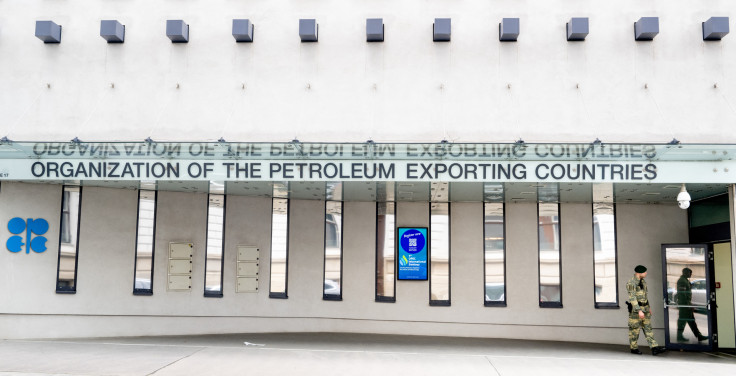
Six months into the Iran war, OPEC+ is confronting a dramatic shift in the global energy market. The world's most powerful oil alliance is losing its ability to influence prices while China is emerging as an increasingly important force in determining where crude prices go next.
The war has disrupted one of the world's most important oil corridors, damaged energy infrastructure across the Middle East and sharply reduced the amount of crude that several OPEC+ members can physically export. As a result, production announcements that once could send oil prices soaring or tumbling are having far less impact, according to a Reuters analysis published Thursday.
OPEC+, which includes the Organization of the Petroleum Exporting Countries and allies such as Russia, accounted for about 40% of global oil production in July, based on outlet calculations using International Energy Agency data. Before the United States and Israel launched attacks on Iran in late February, that figure exceeded 48%.
Part of the decline stems from the United Arab Emirates' decision to leave OPEC in May. But the war in Iran has created a more fundamental problem of producers not easily being able to adjust their exports when the infrastructure and shipping routes needed to move their oil are severely constrained.
The Strait of Hormuz is at the center of the crisis. Before the war, roughly one-fifth of global oil consumption moved through the strategic waterway. Saudi Arabia, Iraq and Kuwait are among the major producers whose ability to export crude has been affected by the disruption. Shipping remains severely restricted, although vessel traffic increased slightly on Wednesday, according to data cited by Reuters.
Since March, OPEC+'s core group of producers has announced six increases in oil output. Under normal circumstances, those decisions could significantly affect prices. But much of the additional production has effectively existed only on paper because the crude cannot easily reach international buyers.
That marks a striking reversal for an organization that has spent decades influencing the global oil market by deciding when to open or close its taps. OPEC's share of global crude production reached about 50% during the oil crises of the 1970s before dropping to roughly 30% by the mid-1980s as new supplies emerged from regions including the North Sea, Alaska and Siberia.
OPEC+ was established in 2016, bringing Russia and other producers into an expanded alliance designed partly to strengthen producers' ability to manage the market. Now the Iran war has shifted the fundamental question facing traders. Instead of asking how much oil OPEC+ wants to produce, markets increasingly care about how much its members can actually produce and export.
At the same time, China has emerged as a powerful counterweight. Since the war began, China has purchased roughly 400 million fewer barrels of crude than during the same period in 2025, Reuters reported. The decline has been driven by factors including lower refinery output, restrictions on fuel exports and China's accelerating transition toward electric transportation.
That demand reduction has helped prevent the historic Middle East supply disruption from producing an even larger and more sustained oil-price surge. Last year, China's aggressive crude purchases may have represented as much as half of global oil demand growth.
In 2026, its retreat from the market has instead helped put a ceiling on prices. "They've become the swing demand center," June Goh, an analyst at Sparta Commodities, told Reuters.
China's role is particularly significant because it is also Iran's largest oil customer. Iranian shipments to China have fallen sharply amid the conflict and renewed U.S. pressure, dropping to a provisional 534,000 barrels per day in August from 823,000 barrels per day in July, according to Kpler data cited by the outlet.
Oil markets remain volatile. Brent crude was trading around $89 a barrel Thursday as investors assessed the continuing restrictions on Middle Eastern supplies and the lack of progress toward ending the conflict.
© Copyright IBTimes 2026. All rights reserved.