Private Companies Added Way Fewer Jobs Than Expected In July. June’s Figures Were Also Revised Downward
Nonfarm payrolls added 44,000 jobs last month. The Dow Jones consensus forecast stood at 75,000.

Private companies added tens of thousands of jobs less than estimated in July, according to new data.
ADP detailed that nonfarm payrolls added 44,000 jobs last month, the lowest since January and below the The Dow Jones consensus forecast, which stood at 75,000. Last month's figure was also revised downward and clocked in at 95,000.
All gains came from the services sector, while the goods sector shed 3,000. Most gains came from the education and health services sector, which added 36,000 roles.
Elsewhere, ADP noted that pay gains remained at 4.4% annually for those who stayed in their jobs. But those who switched saw a 7% increase, the largest figure since August last year.
"Job-changers are highly sensitive to real-time economic conditions, and their rapid pay growth implies supply constraints in parts of the labor market," said ADP chief economist Nela Richardson.
"Typical hiring patterns, meanwhile, are changing as employers react to shifting macroeconomic conditions."
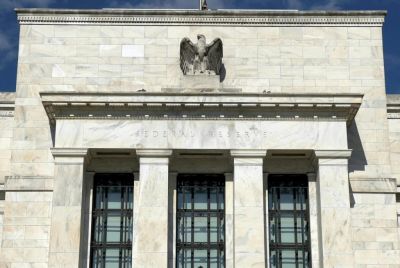
The Federal Reserve left interest rates unchanged unchanged last week, with officials noting in their statement that "economic activity is expanding at a solid pace despite elevated uncertainty that owes, in part, to the conflict in the Middle East." They added that job growth has "kept pace with the workforce and the unemployment rate has changed little." However, the decision was not unanimous, with three officials dissenting and favoring an interest rate hike.
Elsewhere, consumer sentiment improved for the second month in a row in July even though gas prices climbed again.
Concretely, the index from the University of Michigan showed a 12% increase from June, clocking in at 55.2, above the preliminary reading of 54.4.
Joanne Hsu, director of the University of Michigan's survey of consumers, noted in a statement that despite the gains, "sentiment is 11% below a year ago, reflecting a generally somber view of the economy amid five years of elevated inflation and persistent high prices."
The latest economic data showed that the U.S. economy grew 1.5% in the second quarter, less than expected.
The figure stood below the estimates of analysts surveyed by Reuters, who previewed the figure would stand at 2.1%. Figures given ranged between 0.8% and 2.9%.
Consumer spending, however, remained resilient. The indicator represents over two-thirds of the U.S. economic activity and bounced back in the second quarter, clocking in at 3.2% after slowing to 0.5% in the first quarter. As well as tax refunds, higher-income households boosted the figure.
© Copyright IBTimes 2026. All rights reserved.
- Recommended For You