Qatar Turned To U.S. Gas As Hormuz Closed. Emergency LNG Purchases Reached About $1 Billion
QatarEnergy bought dozens of U.S. LNG cargoes to keep Asian customers supplied after the Iran conflict disrupted exports through the Strait of Hormuz.

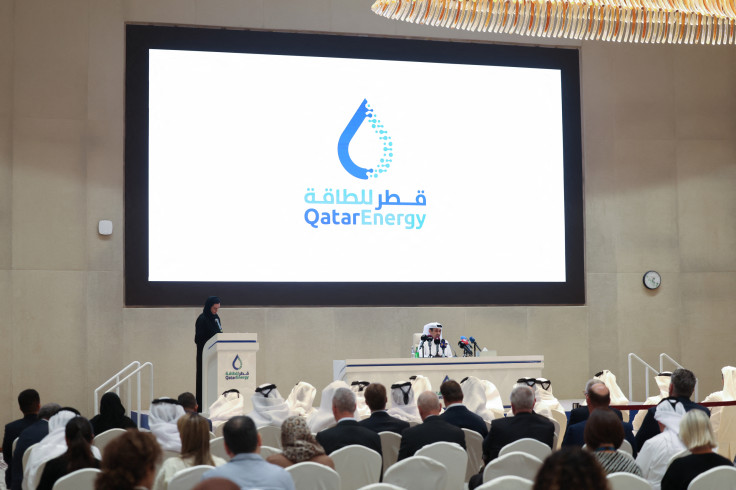
QatarEnergy significantly increased purchases of U.S. liquefied natural gas this year after exports from Qatar were disrupted during the conflict involving Iran, underscoring how quickly global LNG trade can shift when one of the world's most important energy corridors is interrupted.
The state-owned producer acquired 33 spot LNG cargoes for delivery to customers across South Korea, Japan, Taiwan, India and Bangladesh after the closure of the Strait of Hormuz interrupted shipments from Qatar, people familiar with the matter told Reuters. The cargoes, valued at roughly $1 billion, represent a sharp increase from the four spot cargoes the company purchased during the previous year.
The emergency purchases were aimed at maintaining supplies to long-term customers while QatarEnergy operated under force majeure following the disruption to Gulf shipping. The clause allows contractual obligations to be suspended when extraordinary events prevent deliveries, but market participants said the company sought to minimize the impact on buyers that have relied on Qatari LNG for decades, Reuters reported.
Much of the replacement supply came from the United States, reflecting the country's growing role as the world's largest LNG exporter. The cargoes were sourced directly from Venture Global LNG as well as from some of the company's existing customers, according to Reuters. Venture Global declined to comment on the reported transactions.
Shipping data compiled by Kpler indicates that 28 of the 33 cargoes have already reached their destinations, while the remaining shipments are currently en route to buyers in South Korea, Taiwan and India. Around 80% of Qatar's LNG exports are typically destined for Asian markets, making uninterrupted deliveries particularly important for utilities and industrial consumers across the region.
The purchases illustrate how the global LNG market has become increasingly interconnected. As new export capacity has come online along the U.S. Gulf Coast, American producers have played an expanding role in offsetting supply disruptions caused by geopolitical events. That trend accelerated after Russia's invasion of Ukraine redirected European demand toward LNG and has continued during recent instability in the Middle East, the U.S. Energy Information Administration (EIA) has noted in its assessments of global LNG trade.
Qatar is one of the world's largest LNG exporters, and its North Field expansion is expected to strengthen that position later this decade. QatarEnergy has previously announced that the project will increase the country's LNG production capacity from 77 million tonnes per year to 142 million tonnes annually by the end of the decade, reinforcing its long-term strategy of serving growing demand in Asia and Europe.
Meanwhile, the United States continues to expand its own export footprint. The country became the world's largest LNG exporter in recent years following the start-up of multiple Gulf Coast facilities, including projects operated by Venture Global, Cheniere Energy, Freeport LNG and others. Additional terminals under construction are expected to add further export capacity over the next several years.
The latest transactions also demonstrate the growing importance of the spot LNG market during periods of geopolitical uncertainty. While most LNG is sold under long-term contracts, traders increasingly rely on flexible cargoes to bridge temporary supply shortages or respond to unexpected disruptions. Analysts say that flexibility has become more valuable as weather events, shipping bottlenecks and regional conflicts create greater volatility across global energy markets, the International Energy Agency (IEA) reported.
For Asian importers, securing replacement cargoes has become a critical priority as electricity demand continues to rise and governments seek reliable fuel supplies. Countries including Japan, South Korea and Taiwan remain among the world's largest LNG consumers, while India and Bangladesh have steadily increased imports to support power generation and industrial growth, the IEA said in its latest gas market outlook.
© Copyright IBTimes 2026. All rights reserved.
- Recommended For You